A Love Story Told In Books

There may be eight million stories in the naked city; there are at least that many in the antiquarian business, especially if your business involves buying up collections from private estate sales. Through the transactions, through remarks, through the books themselves we get to know their former owners, the books telling us their life stories in an almost intimate way. We try to be respectful. Sometimes I refer to these people as our “angels”, in the way an American orchestra’s concert program refers to the highest donors as angels — they are giving us something of themselves and it demands respect.

A recent purchase belonged to a couple of scientists. Their upstairs neighbors were managing the sale of everything in the apartment, including a few thousand books. The high-end dealers had already been through, the auction house rep and the local science institute as well, and there were still a few thousand books in the apartment, much to the neighbor’s dismay.
We looked them over and decided that, except for a few hundred unsellable copies, we would take them. We don’t have a truck, so the transport involved a few trips with the car over the course of perhaps 3 weeks.
Through these trips we got to know the upstairs neighbor and he shared some information about the deceased owners. The man (we’ll call him H.) was born into a German Jewish family in the 1920s. During the early Hitler years the family resettles in Prague, and some time later our man H., then just out of high school, leaves his family behind and flees for Palestine. Reaching the coast of Haifa, he is put on a docked French warship. That ship is bombed, he survives, but is then for some reason classified along with the other survivors as a “foreign enemy”, and put briefly in the Atlit detainee camp in Israel.
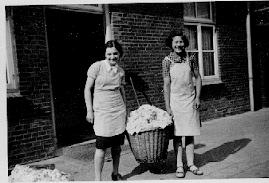
After the war, H. studies and worked as a biologist. He meets a woman (A.), another brilliant scientist, a bit younger and (this is where it gets a little murky) by the early 1970s she’s left her husband and son to come with H. to, of all places, Germany, where they both begin work at a very prestigious research institute. H.’s family has all perished in the Holocaust. But A. learns German (we found the language course on records), and they settle into a middle-class life in a Bavarian village, happily studying their insects and reading books and occasionally winning prizes in scientific research for the next 40 years.

As the neighbor remarked, it seems that all they ever needed was each other. They were all they had, having left everyone else behind.

It is hard for me to imagine what life would be like for a couple of Jewish intellectuals in the Bavarian countryside. To be fair, there are plenty of scientists, artists, and other high-minded folks in their particular geographical area, it wasn’t exactly the hinterlands. I think they lived for their work.

They converted late in life and were baptized into the Catholic church. Why? Their many books tell no stories here. Sure, there was a bible or two, tomes about the Holy Land, ancient religions, and even a small crucifix (a gift, maybe). But not a single book about Jesus or Christian salvation.

My personal theory is that they did it so they could stay together, their urns resting side by side in the village churchyard.

Rooftop Blogging: Final Edition

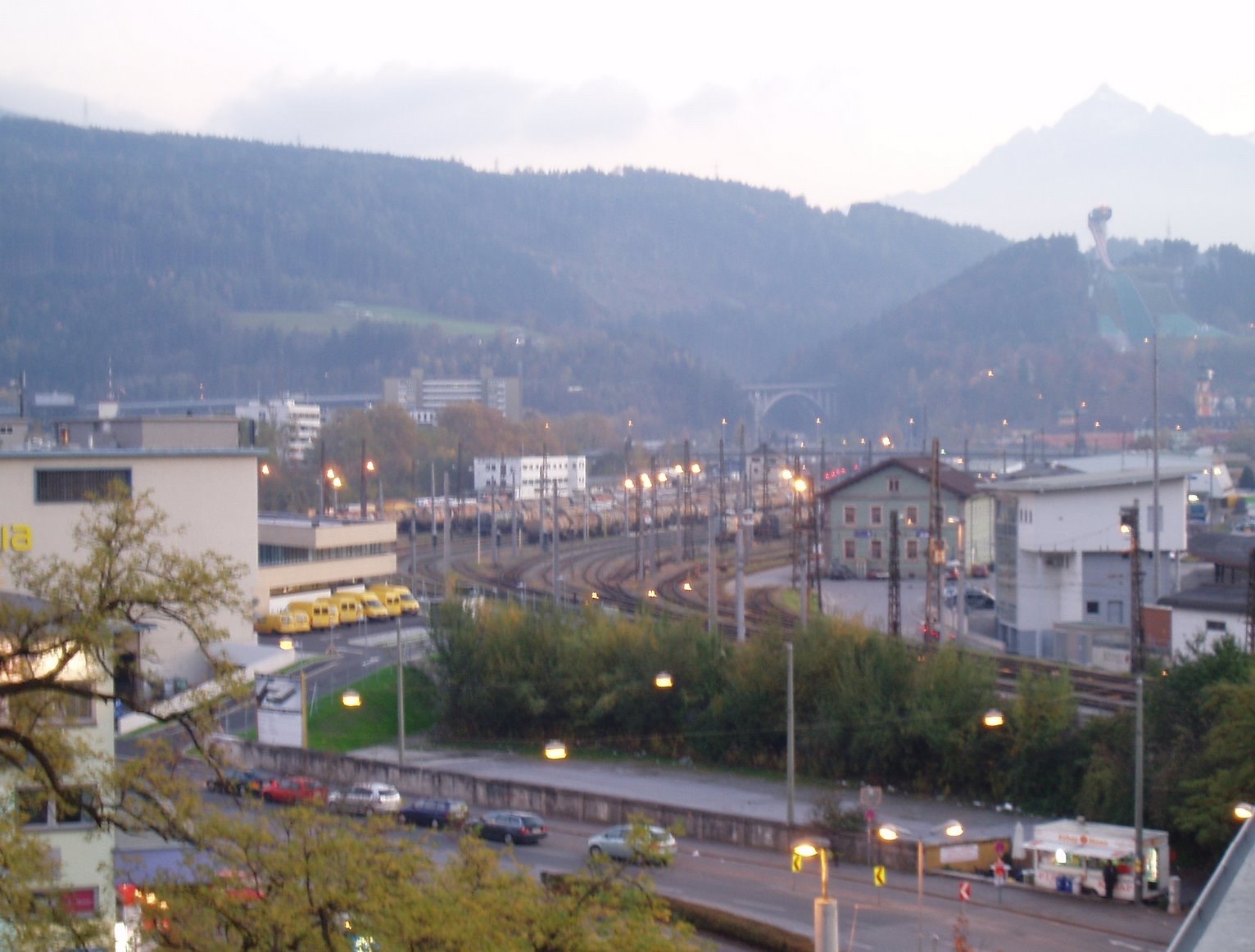
When I began the blog nearly 8 years ago, I wanted to do some kind of photoblogging that could be done on a regular, perhaps weekly basis with ease. A lot of people were doing “Saturday cat blogging”, which I found a little tiresome but it was something amusing to add to the big conversation going on, and I wanted to be part of that conversation by contributing to it. The mountain/city view from my terrace is beautiful and constantly changing, and seemed a good enough choice. So let’s have a last look around.

There have been so many changes to Innsbruck, architecturally speaking. While the little Altstadt retains its Medieval look, the areas just outside it have been changing in leaps and bounds. Here are the ones I can remember since 2000, when I arrived, starting with the changes observable right outside my window:

Bergisel Ski Jump
Schanze Before
The old one demolished in 2001 (I watched from my apartment), the new one, by star architect Zaha Hadid, opened in 2002.

OLYMPUS DIGITAL CAMERA

Sillpark Plaza and Annex
Sillpark
I like the extra mall shops (and the green roof!) I don’t like the plaza (Vorplatz) for one reason: its acoustics. The shape of it triggers sound — people talking, music, drumming — to ricochet right up through our windows. It has gotten much louder here over the years. Last night a crowd of twenty-something girls were doing some kind of ritual screaming at the beach bar, over and over. They were there for hours.

Amraserstraße/Museumstraße/Brunecker Straße
An old, antiquated Post Office building stood on Brunecker Straße, and for a time I went there to pick up packages. Now the sleek, golden brown Pema Tower takes up most of that block, provides cover from sun and rain on that side of the street, and holds a few nice new businesses. The empty lot on the Amraserstraße side is currently a construction site for another tower. The bus/tram stop has been fixed up nicely too, and a pedestrian tunnel installed.

OLYMPUS DIGITAL CAMERA

Frachthof now

Die Sill Insel
This was a dirt parking lot, if memory serves me. There was some kind of old loading depot building which had some use in the alternative scene, and a little pink villa of sorts which I believe housed modern art. I often wondered what their original purpose was; they may have belonged to the Ferrari Palace (now a vocational school) across the street. Perhaps cargo was pulled off the Sill Canal and loaded on wagons there. The little house, I have no idea. On that site now stands a new apartment building. (It hasn’t destroyed the view, but I did have to get used to idea that other people now stand on their balconies and look over at me.)
Inntal BeforeInntal now

What else has changed? The Hauptbahnhof is new-ish, having reopened in 2004.
The Tiroler Landestheater opened its new annex in 2003, with rehearsal spaces, offices and workshops.
The Rathaus Passage and Kaufhaus Tyrol, both on the Maria-Theresien-Straße,  are two new urban shopping malls which, judging from the masses who go there, seem to be doing very well, despite my insistence that the latter, formerly Bauer & Schwarz, was cursed. The gods of commerce won that battle. Bauer and Schwarz would probably have approved.)
The Convention Center (Messegelände) was taken down and replaced with a newer, larger one.
The Hungerburgbahn was redesigned, with two new stations also designed by Zaha Hadid. The line was extended over to the Hofgarten, where the city tourists can reach it more easily.
The Tivoli football stadium was renovated to seat the larger crowds of the European Championship in 2008, with extensions which, by design, can be added for larger events and later removed.
The streetcars were replaced with the current red, noiseless version. I missed the old ones for a while but quickly got used to the new ones, especially since the Iglerbahn now quietly slithers through the forest, Innsbruck’s own Tatzlwurm.
A less-vaunted change was the demolition of the Bürgerbräu brewery on Ingenieur-Etzl-Straße, on which now stands a modern glass building of businesses below and apartments above. The not-unpleasant smell of hops used to waft through the air on warm summer nights. They made Kaiser Bier, and certainly there was a connection with the Kaiserstube restaurant, just around the corner on Museumstrasse. Below, both Bürgerbräu and the old streetcars.
Bürgerbräu

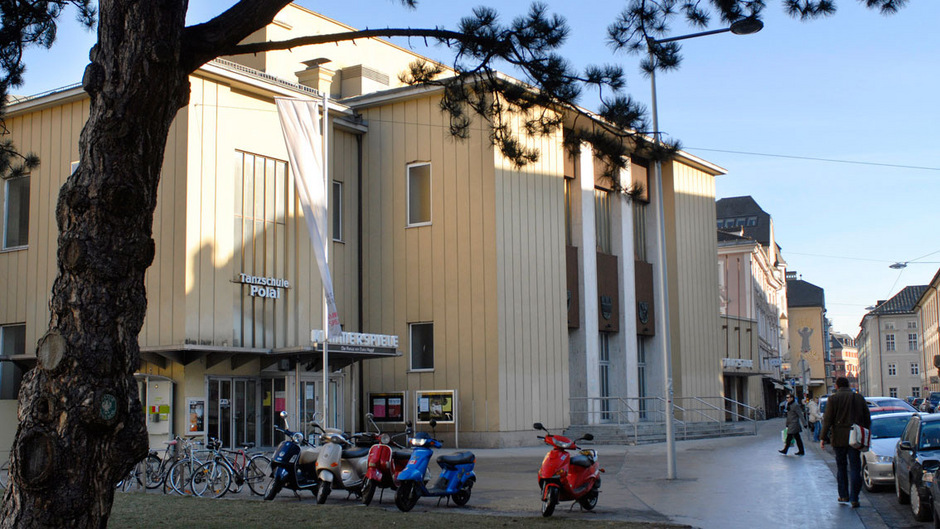
The Stadtsäle is going to come down this summer. This postwar structure was erected after the older Stadtsäle was condemned and demolished. A rather beautiful and ornate palatial hall from 1890,
Alte Stadtsäle
it succumbed to allied bombs that fell over Innsbruck late in the Second World War. I have always thought of the current Stadtsäle as our local version of the Palast der Republik, useful, ugly, but aesthetically interesting in a “retro” way.
dt.common.streams.StreamServer
When it’s razed, the Landestheater’s Kammerspiel will go along with it, and a new Kammerspiel will take its place. I have many fond memories of this 200-seat theater. You can say I cut my teeth on that stage.

Bürgerbräu photo from here.
Image of old Stadtsäle from here.
Image of current Stadtsäle from here.
All other images by the author.

Weekend Mountain Blogging: Maria Tax – Wolfsklamm

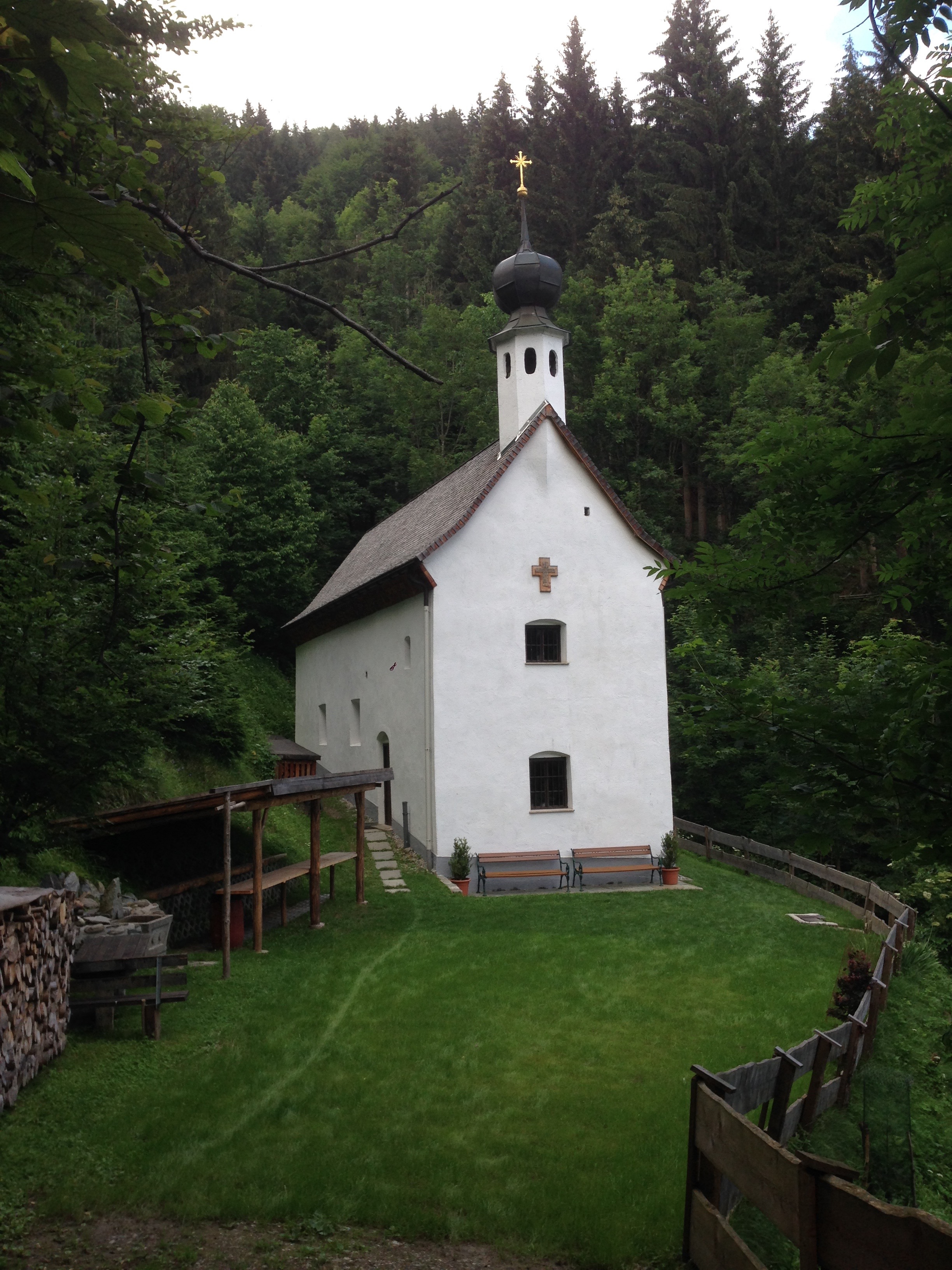
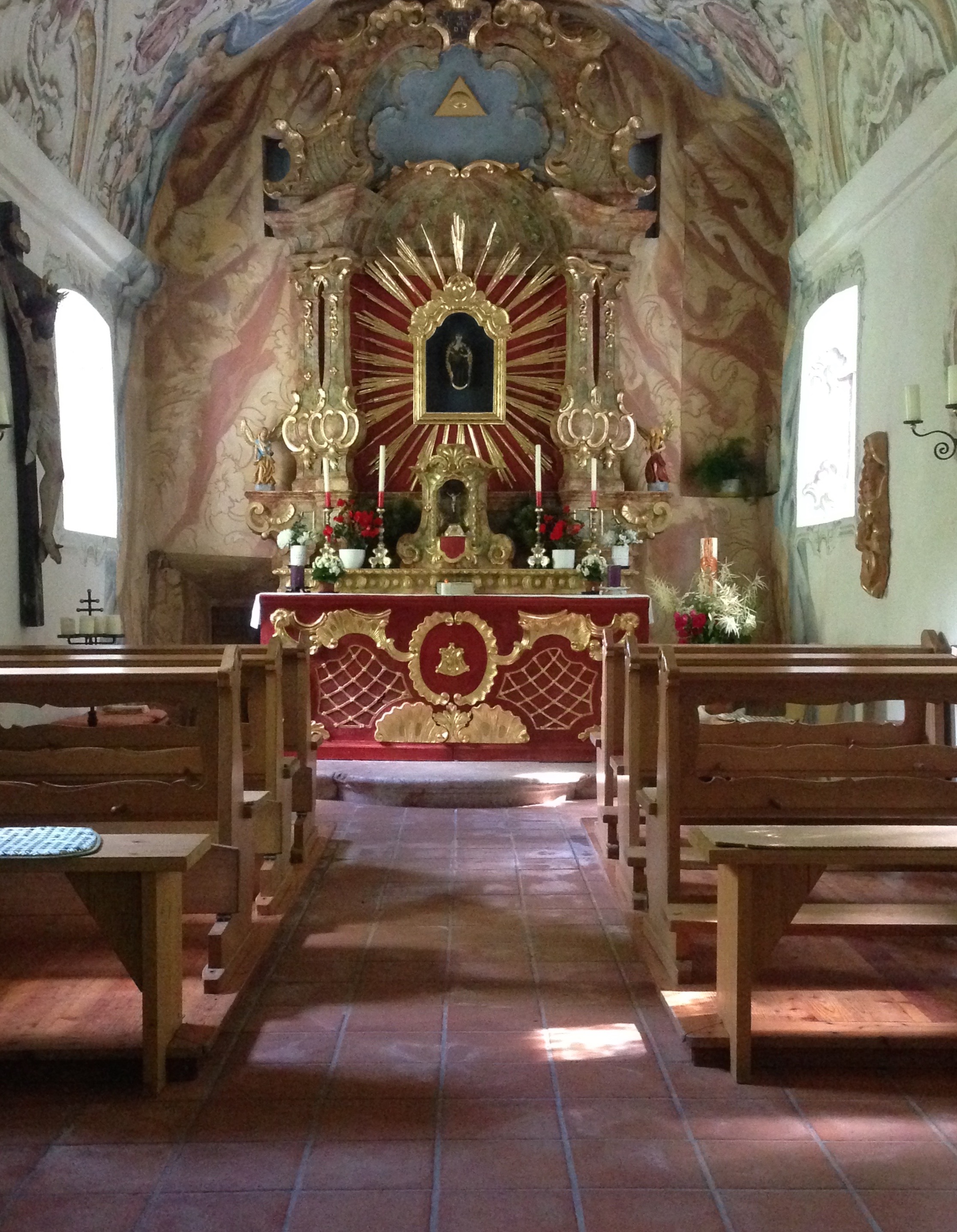
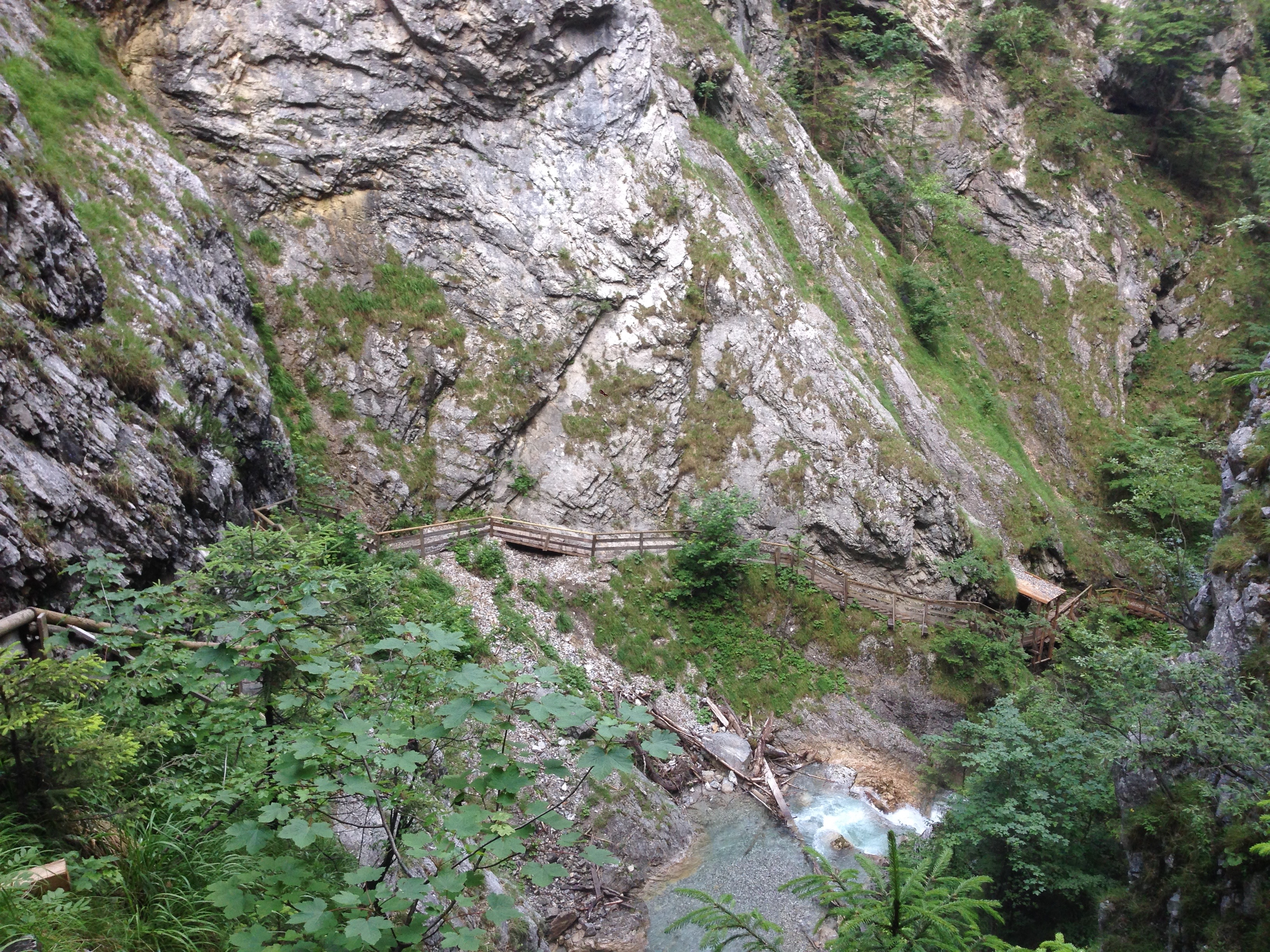
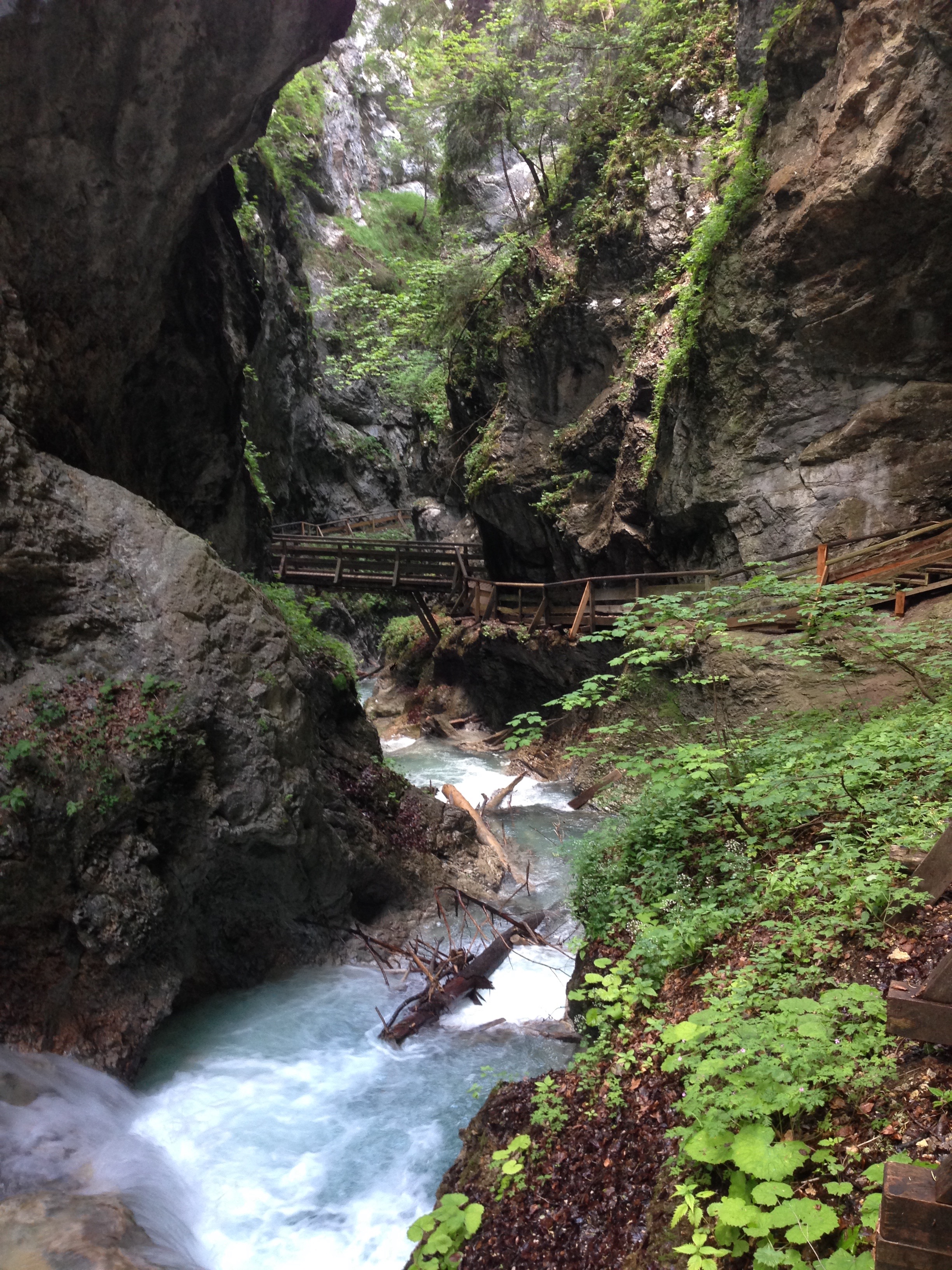
IMG_2034 A half-day hike above Stans to the Maria Tax Chapel. Taxen  is an old regional word for Tannen, or fir tree. Legend has it that the Virgin Mary made an appearance here in 1616,  leaving behind her handprint on a stone, a picture of which was then attached to a tree for people to come and revere it. So we have here both a stone and a tree of religious importance (I was able to find neither, unless the stone is now part of the fountain behind the chapel*.) IMG_2038 In 1627 a wooden chapel was built, in 1667 a stone one. In the same year the first hermit moved into the sacristy. IMG_2043 Sacred trees were a thing with the pre-Christian inhabitants all over Europe. Christianity treated the worship of trees as idolatry and this led to their deliberate destruction. From this site I learned a little more (translation mine):

When St. Boniface took an axe to the sacred Donar’s Oak at Geismar, Germany in 724, and didn’t get struck by lightning for it, he was able to proclaim the victory of Christianity. One sacred tree after another fell, and the Teutons were forced to drop their local religion and accept Christianity. Nevertheless many may not have forgiven Boniface for this desecration; he was slain 754 by the Frisians. According to many legends, when a sacred tree is cut, it bleeds from the sacrilege. Therefore the woodcutter asks the tree for forgiveness before cutting it. And many legends report of cruel punishments for messing with sacred trees . Ultimately behind such legends is the idea of the tree as seat of the Godhead. From a fiery burning bush God speaks to Moses; to Joan of Arc from the branches of a tree. The Buddha’s enlightenment takes place under a tree. The old-rooted idea of the sanctity of trees survived within Christianity and continues in myths and legends of holy images on or in trees. Particularly frequently encountered are sightings of Mary, or her image, in a tree. Many names of pilgrimages hold the discovery of a miraculous image in trees, such as “Mary of the linden”, “Mary of the fir tree”, “Mary in the hazel”,  “Mary of the larch”…

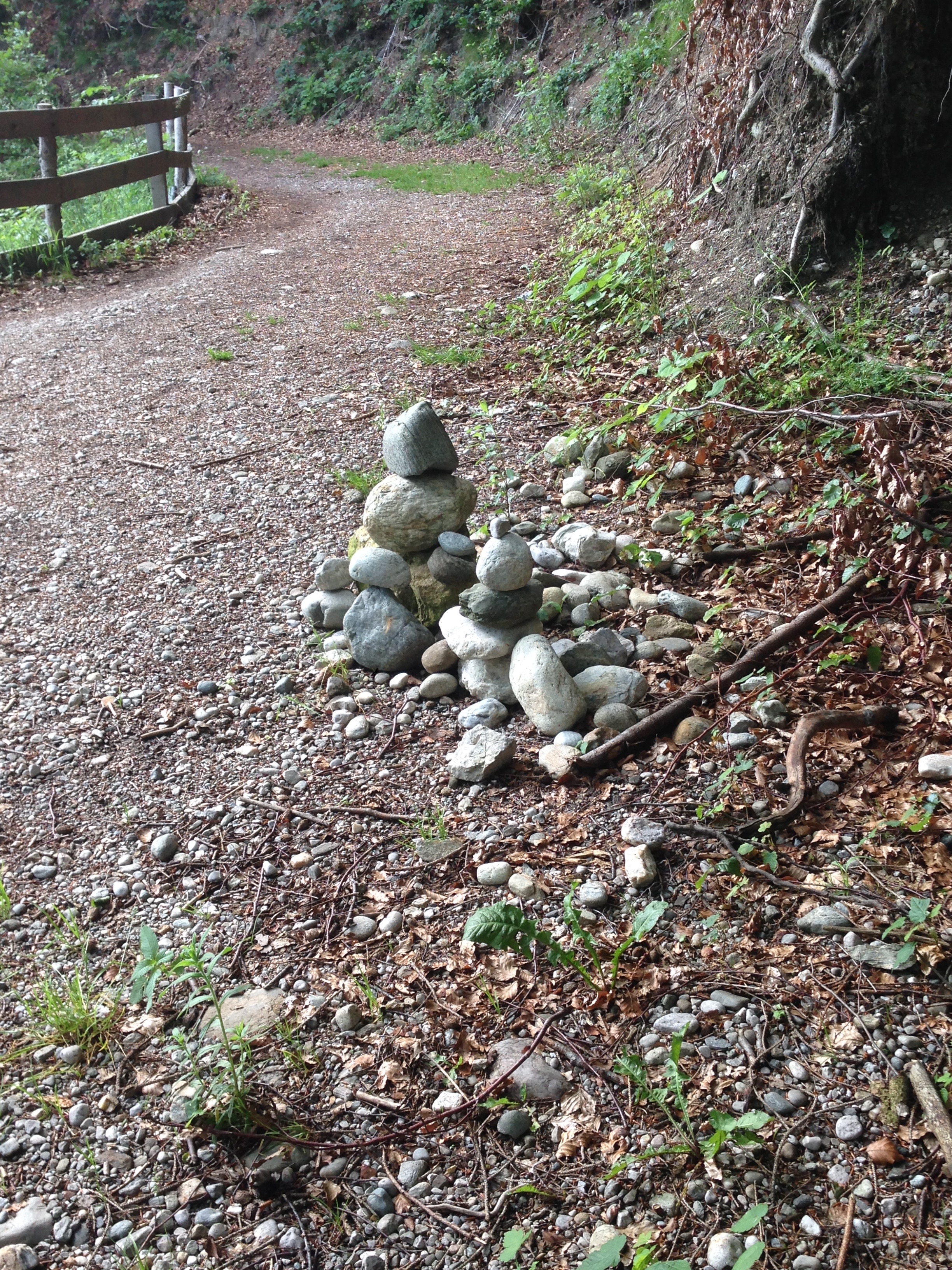
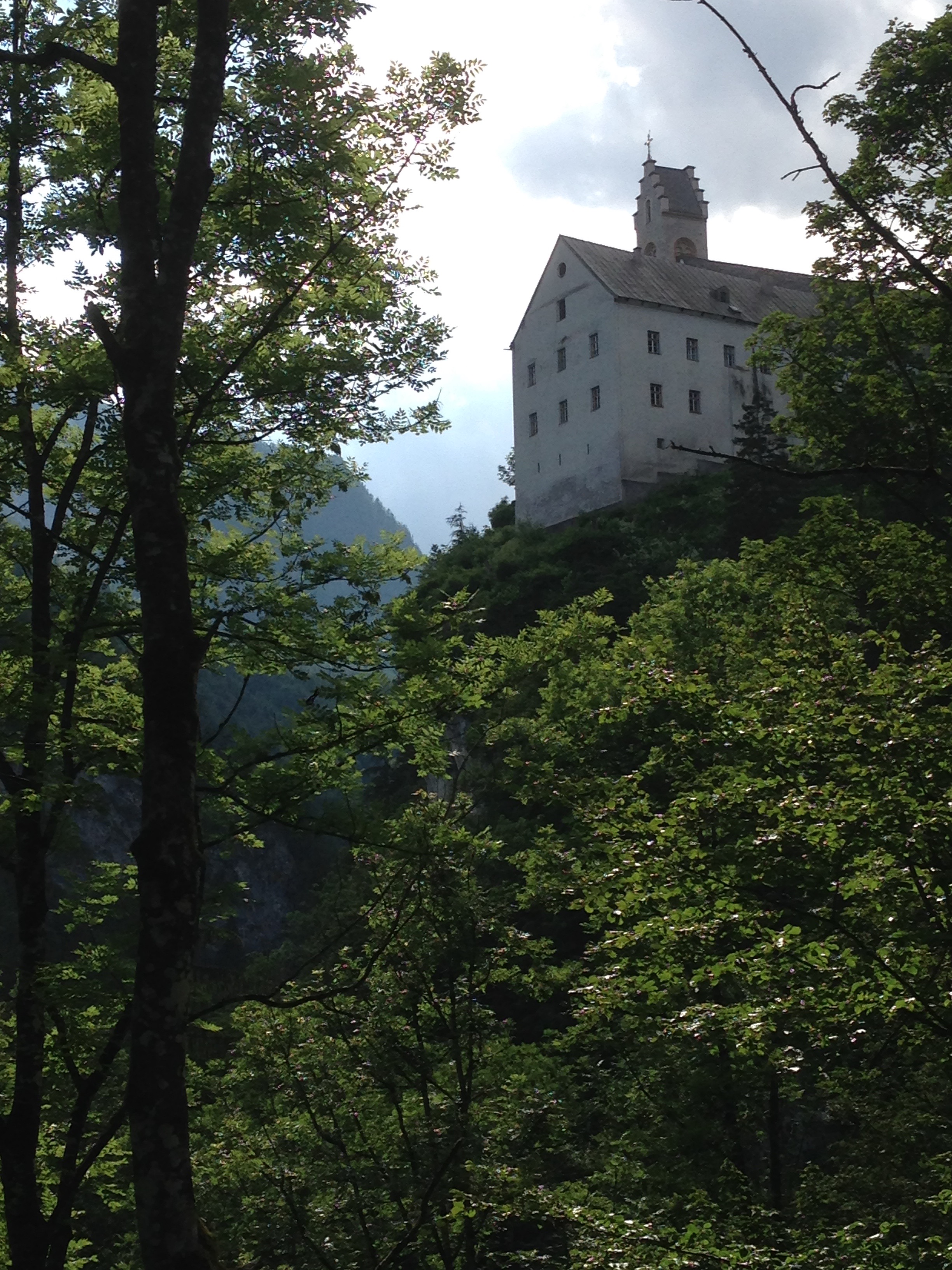
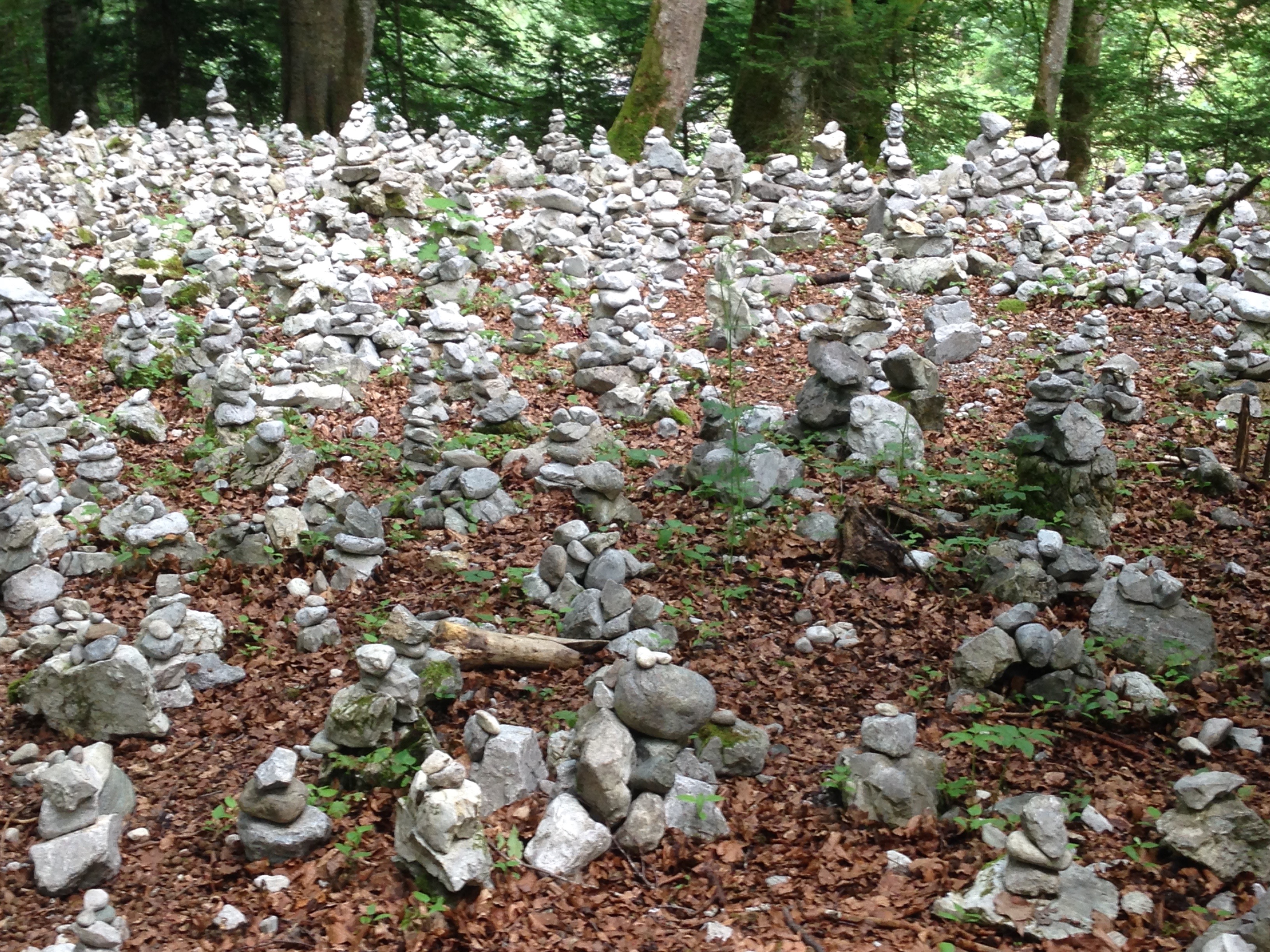
IMG_2045 Further along on the trail, a pair of Steinmänner guard the way. IMG_2050 Thirty minutes later, the St. Georgenberg-Fiecht Abbey looms above. I’ve been here before, but it’s getting late and so I turn in the direction of home by way of the Wolfsklamm. IMG_2052 An army of Steinmänner! It’s like an Alpine version of the Terracotta Warriors, or the Kodama tree spirits in “Princess Mononoke”. How delightful and unexpected. IMG_2057 IMG_2061 The Wolfsklamm in Stans has been renovated and, apparently, re-routed, in that the path through it no longer involves the pitch-black tunnels that I recall from my previous visit. Too bad, because they were fun in a scary way (it was the the first time I ever used my old cell phone as a flashlight out of sheer necessity). It’s possible that someone complained. [Sorry, that’s the Partenachklamm! But the Wolfsklamm bridges have all been rebuilt with sturdy new boards.] But the gorge is still impressive and well worth the €4,50 “toll”.

*The Schwazer Heimatblätter suggests a different origin: that the St. Georgenberg Abbey was having an image problem with pilgrims, due to a prominent prisoner being kept there.  It’s suspected that the monks themselves started the Mary-was-here story in order to keep the pilgrimages coming — that kind of thing is profitable for monasteries, after all.

Weekend Mountain Blogging: Mittenwald, Scharnitz, Seefeld

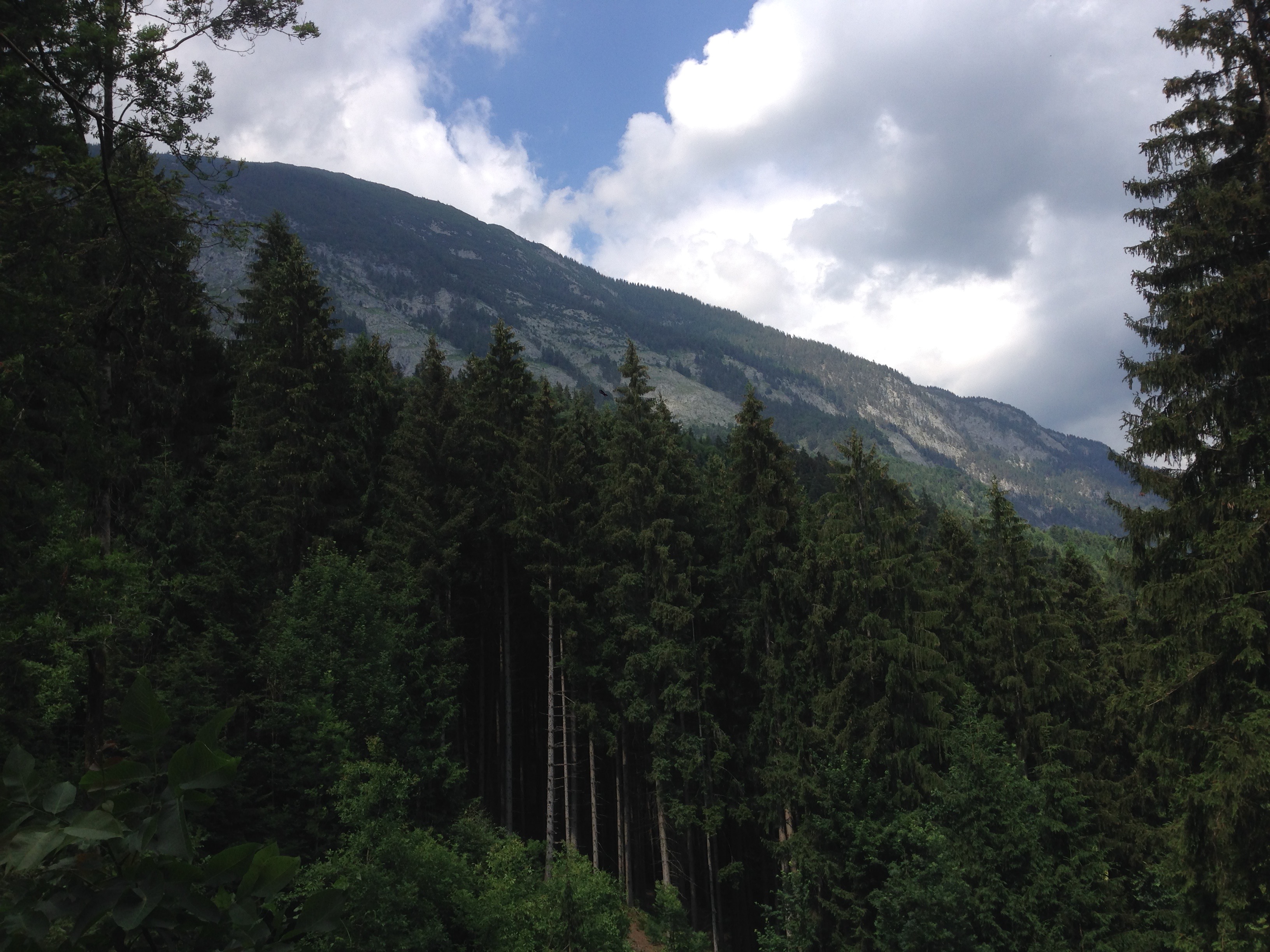
IMG_1999I needed to go to Mittenwald because of something I’d promised to do, and since I had the day free it seemed like a good idea to get some hiking in along with some sights.
As there’s only so much ground one can cover in an afternoon, I broke up the journey with short train rides. First, to Mittenwald.

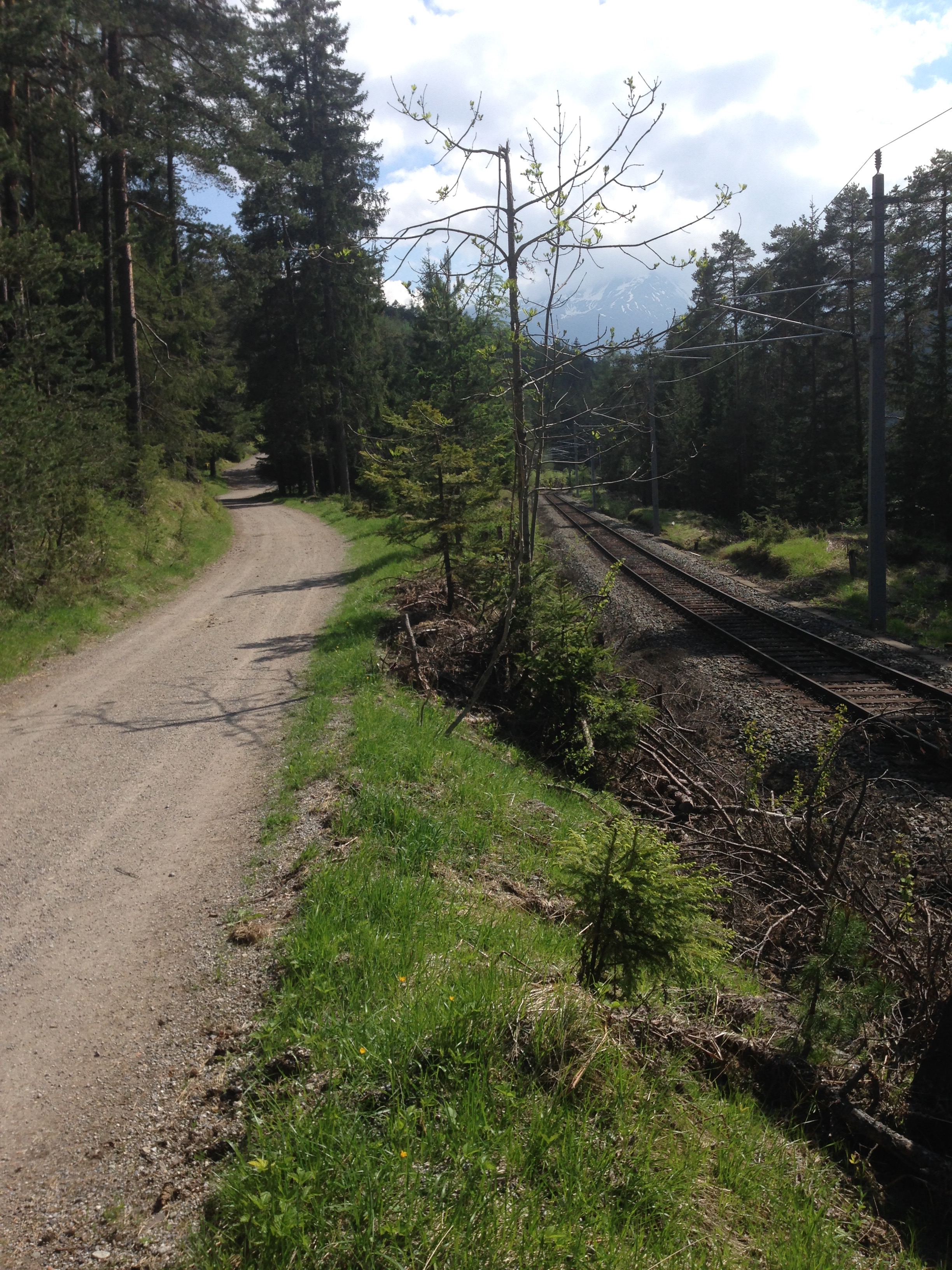
IMG_1992Every so often, a sign that I’m on the old original Roman road. In tracing the route over the Alps one has the advantages and disadvantages of the landscape. Humans are practical above everything: the first mule paths made by the more ancient inhabitants followed the easiest ways over. The Romans built mainly on these existing paths because they were there (once they got onto more open land they had more options). After the Roman retreat in the 4th century CE, the roads remained and continued to be used for trade, later providing for much of the route of the Via Imperii during the years of the Holy Roman Empire. And so on, through the ages, until that ancient road over the mountains is now mostly (not completely) under the B2.

IMG_1995From Mittenwald I walked parallel to the B2 on a quieter trail, to get a sense of what Goethe may have felt when he came through here for the first time, in 1786.

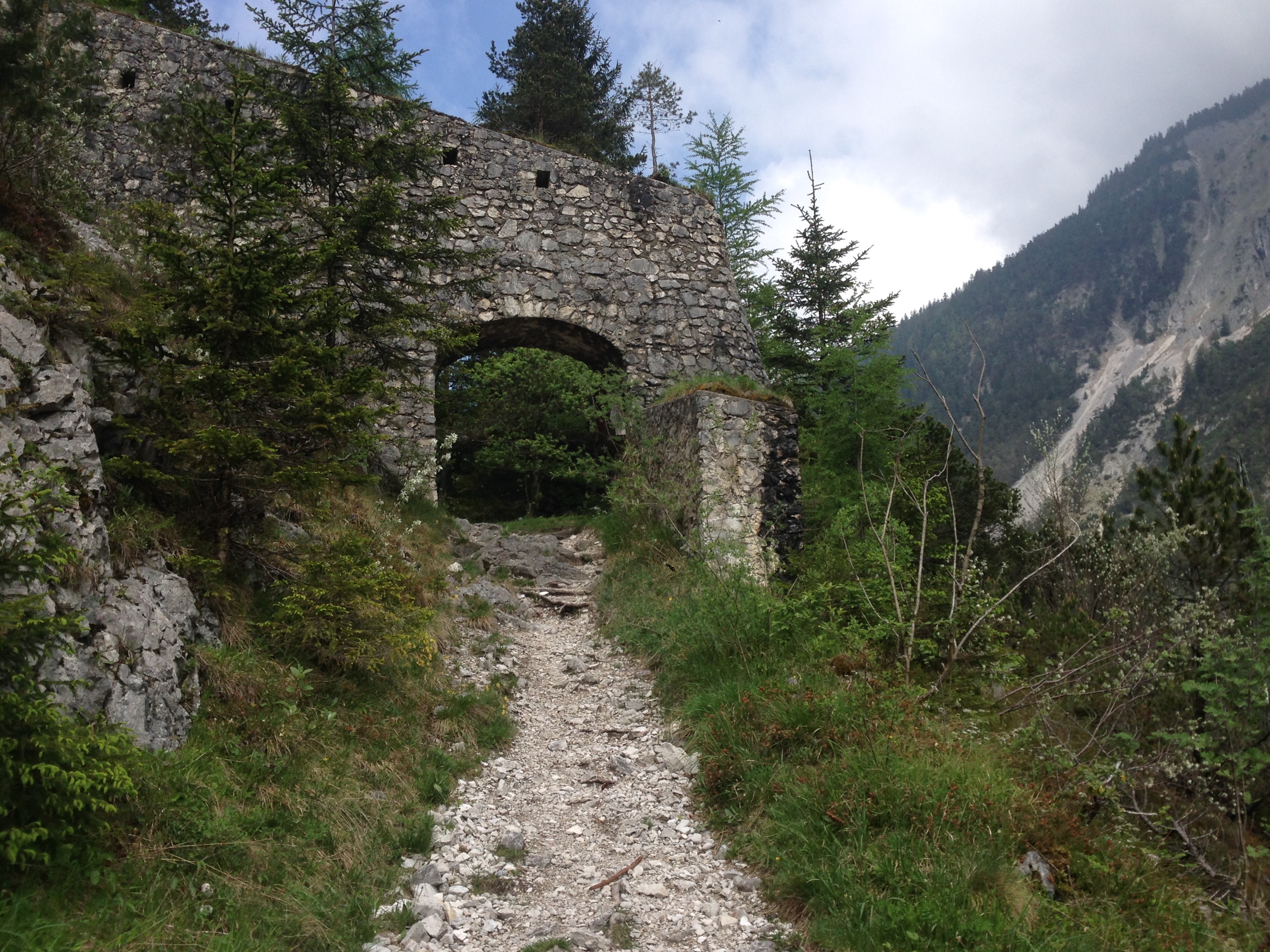
Left Mittelwald at 6, clear sky, a keen wind blowing, and the kind of cold only allowed in February. The near slopes dark and covered in spruce, the grey limestone cliffs, the highest white peaks against the beautiful blue of the sky made exquisite, constantly changing pictures. Near Scharnitz you get into the Tyrol and the border is closed with a rampart that seals off the valley and joins up with the mountains. It looks very fine. One one side the cliff is fortified, on the other it just goes steeply up.

IMG_1996The fortification to which Goethe refers is the Porta Claudia, built in the 17th century and named for Claudia di Medici.
Back on the train, next stop Seefeld in Tirol.

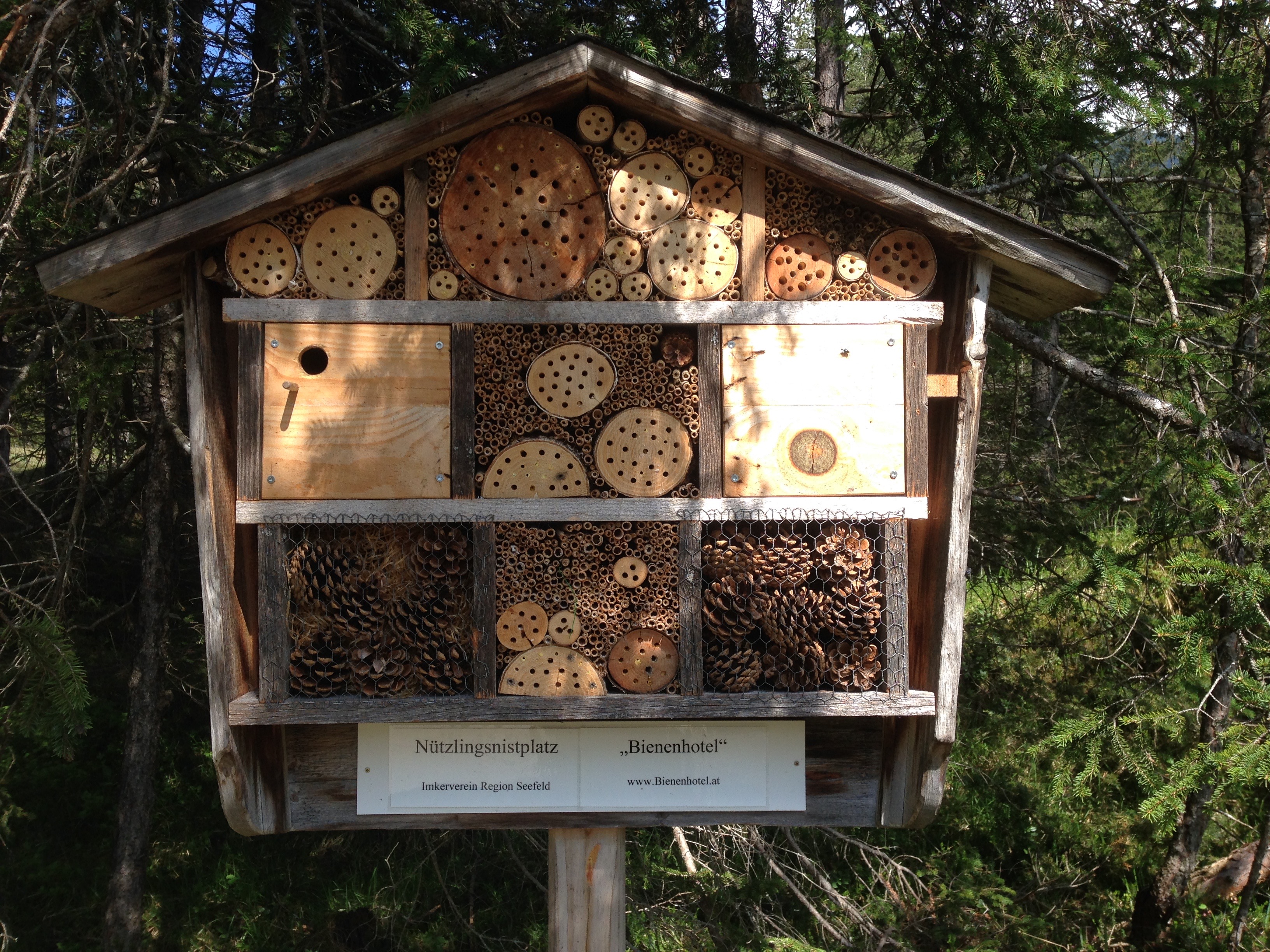
IMG_1998“Bee Hotel”

I had seen this path many times from the window of the train, and often wondered what the signs said. Were they historical markers?  No, the trail is all about bees and honey!

This bee-themed nature trail ended at Reith bei Seefeld. From there a late-afternoon train brought me back to Innsbruck.

Gounod “Funeral March of a Marionette”

I haven’t vanished in an alpine crevasse, I’ve simply been busy singing! The business has been part rehearsals, part teaching, and part working on some things for the future.

The rehearsals have led me to a small musical discovery, in fact. We have been working up Gounod’s Faust, and as I hung about on the side of the stage waiting for an entrance, I heard some very familiar music in the Walpurgisnacht scene. What was that? It sounded like the theme music to Alfred Hitchcock Presents, his successful 1950s television series.

Well, to make a long story short, it was. Or rather, it was a fragment of music which Gounod later expanded into a piano work called Marche funèbre d’une marionette. It’s this version which was then used on the television show.

Oddly, however, I haven’t found a version of the opera online which uses this music. There are other versions of the Walpurgisnacht scene, with a solo for Mephistopheles and/or long ballet music (those French operas all had extended ballets which are cut these days. It saves money in avoiding orchestra overtime and not having to hire dancers.) The version we are doing contains a section of men’s chorus which begins with “Un, deux et trois”, and that’s where the pertinant music is found.


Oedenburg Castle, Bavaria

FullSizeRender
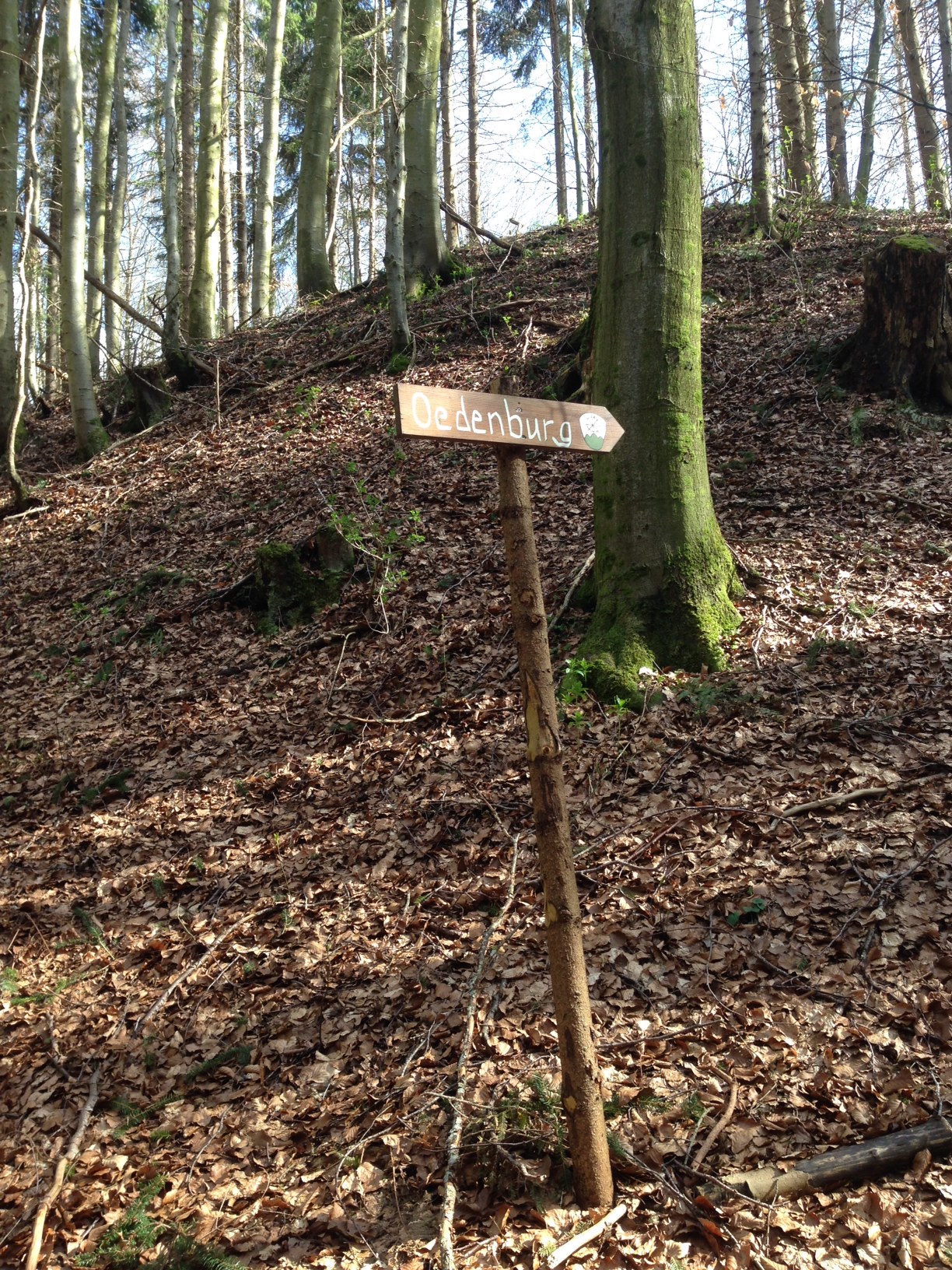
Not far from the Ammersee in southern Bavaria lies a hill upon which the ruins of Oedenburg Castle are found. It was a small hilltop fortress, mostly a tower judging from the size of the hill. I have been looking at the region by way of the Bayerischer Denkmal Atlas which shows the exact locations of all sorts of historical landmarks in Bavaria. (Special thanks to fellow blogger Zeitspringer for bringing this online atlas to our attention.) // Nicht weit vom Ammersee in Südbayern liegt ein Hügel, auf dem man die Ruinen von Ödenburg Castle vorfindet. Es war eine kleine Festung vorwiegend aus einem Turm bestehend – wie aus der Größe des Hügels zu schließen ist. Ich habe mir das Gebiet im Bayerischen Denkmal Atlas angesehen, der die genauen Standorte von allerlei historischen Sehenswürdigkeiten in Bayern zeigt. (Vielen Dank an den Kollegen und Blogger Zeitspringer der uns auf diesen Online-Atlas aufmerksam machte.)
Ein-Besuch-auf-der-Burg
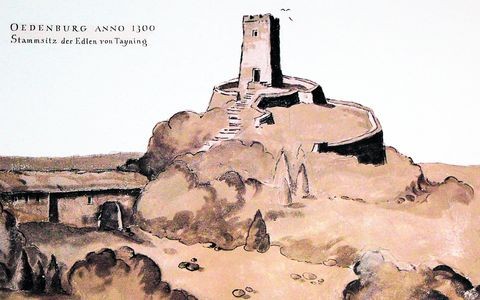
Above, how it may have looked (image found here)… // So mag die Burg einst ausgesehen haben …

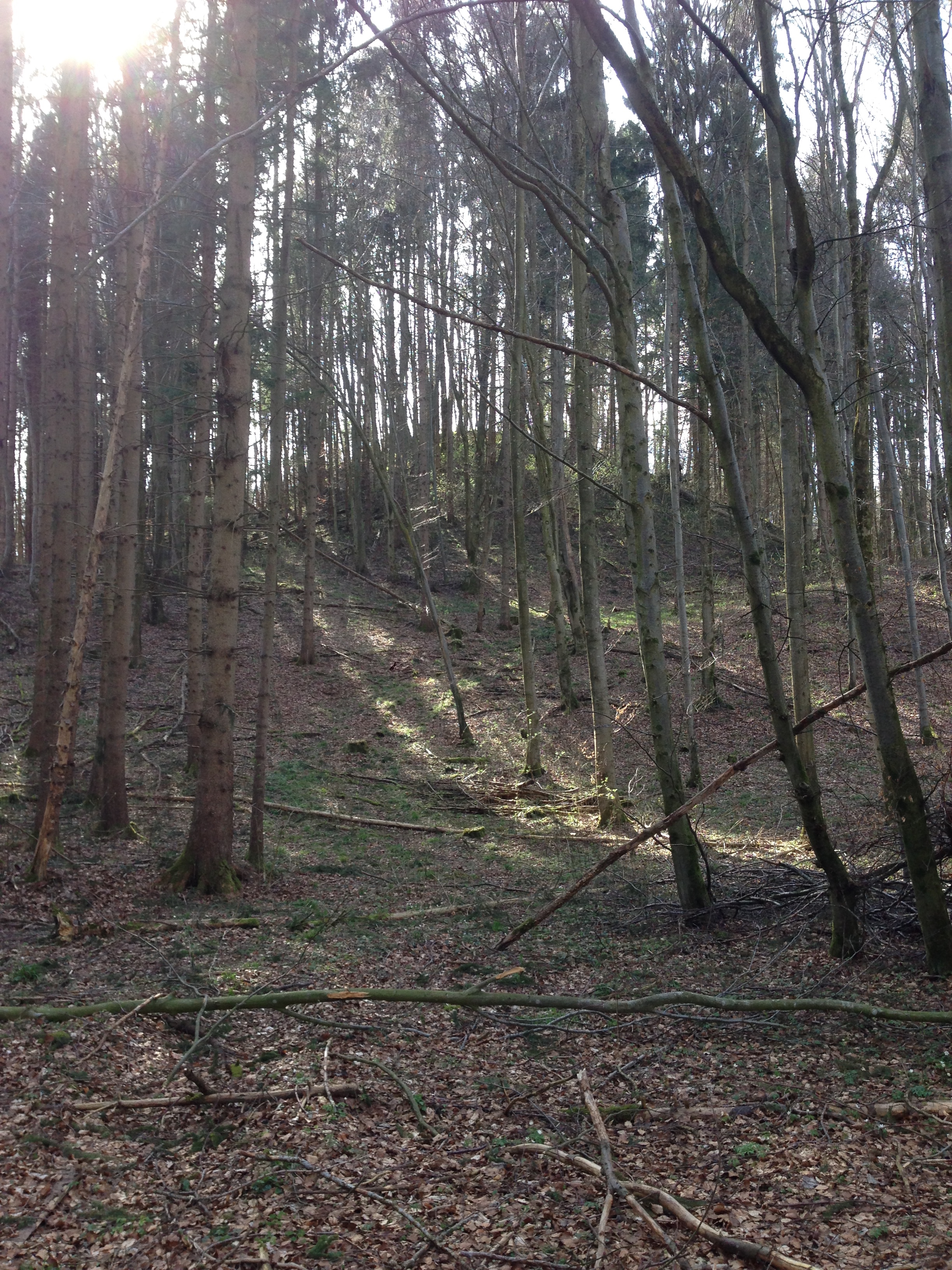
IMG_1957…and how it looks today. // …und so sieht sie heute aus.

Earliest found mention of the castle in written records dates back to the 11th century and allegedly belonging to a Count von Abenstein. When the nobles died out, robber barons used the castle for its excellent views on all sides. (Two main Roman roads crossed here at Raisting, and they may well have been used into the High Middle Ages as trade routes.) By the 16th century it was already a ruin. The trees took over sometime after 1960 (we met a man on the hill who could remember, as a youth, sledding down the bare slope in winter.) // Die älteste vorgefundene Erwähnung der Burg in schriftlichen Aufzeichnungen stammt aus dem 11. Jahrhundert, in der sie angeblich einem Grafen von Abenstein gehörte. Als die Adligen ausgestorben ware, verwendeten Raubritter die Burg wegen ihrer hervorragenden Aussicht in alle Himmelsrichtungen. (Zwei wichtige Römerstraßen kreuzten sich hier bei Raisting, und sie sind wohl auch im Hochmittelalter als Handelswege benutzt worden) Im 16. Jahrhundert war die Anlage schon verfallen. Bäume überwucherten irgendwann nach 1960 den Platz (ein Mann den wir auf dem Hügel trafen, erinnerte sich, das er noch als Jugendlicher, dort auf dem damals freien Abhang im Winter Rodeln ging).

An article about the fortress in the Augsburger Allgemeine mentions an old local legend, similar to other old legends about other old fortresses around these parts: the castle was later occupied by robber barons who, one night, celebrated a recent conquest with revelry. The folks down in the village heard shouting and clanging through the evening right up until the stroke of midnight, at which point all was suddenly still. The next morning, their curiosity took them up the hill, where they found that the entire castle and its inhabitants had been swallowed up by the earth overnight. // Ein Artikel über die Festung in der Augsburger Allgemeinen erwähnt eine alte Legende, die jenen über anderen alten Burgen in dieser Gegend ähnelt: Das Schloss wurde später von Raubrittern, die eines Nachts, den kürzliche Raubzug mit einem Gelage feierten. Die Leute unten im Dorf hörten Geschrei und Klirren durch den Abend bis um Mitternacht, dann war alles plötzlich still. Am nächsten Morgen führte sie ihre Neugier auf den Hügel, wo sie feststellten, dass das gesamte Schloss und seine Bewohner über Nacht von der Erde verschlungen worden waren.

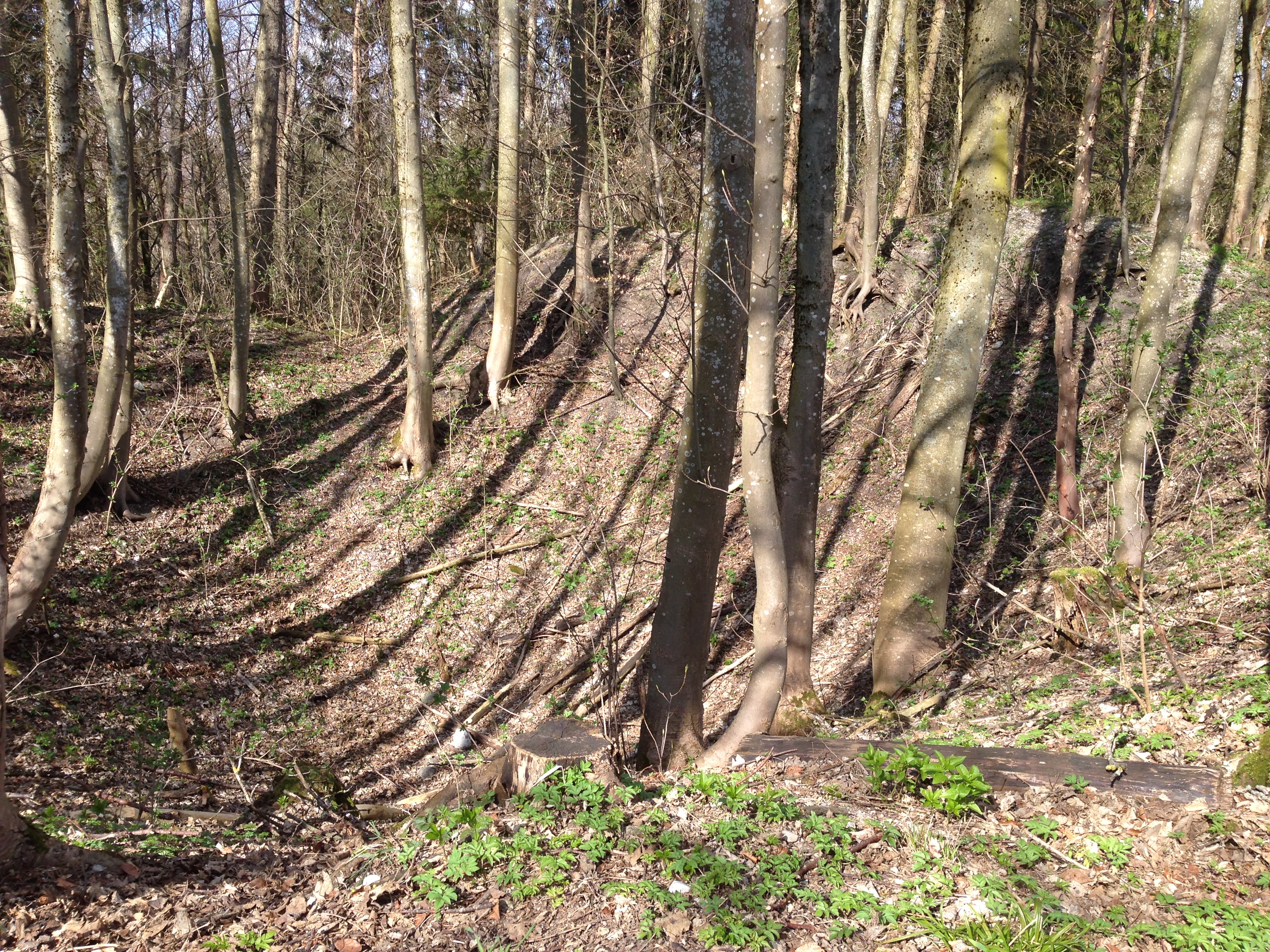
IMG_1954All that remains today is this round wall of earth, circling what is said to have been the tower’s dungeon. That probably gets the attention of the schoolchildren who are brought here on field trips. // Alles was davon heute übrige ist, ist dieser runde Erdwall, der den Platz umgibt von dem man sagte, es hätten sich dort Turm und Kerker befunden. Das wird wohl die Aufmerksamkeit der Schüler, die auf Exkursionen hierher gebracht werden, auf sich ziehen.

In Memory Of A Girl

IMG_1885

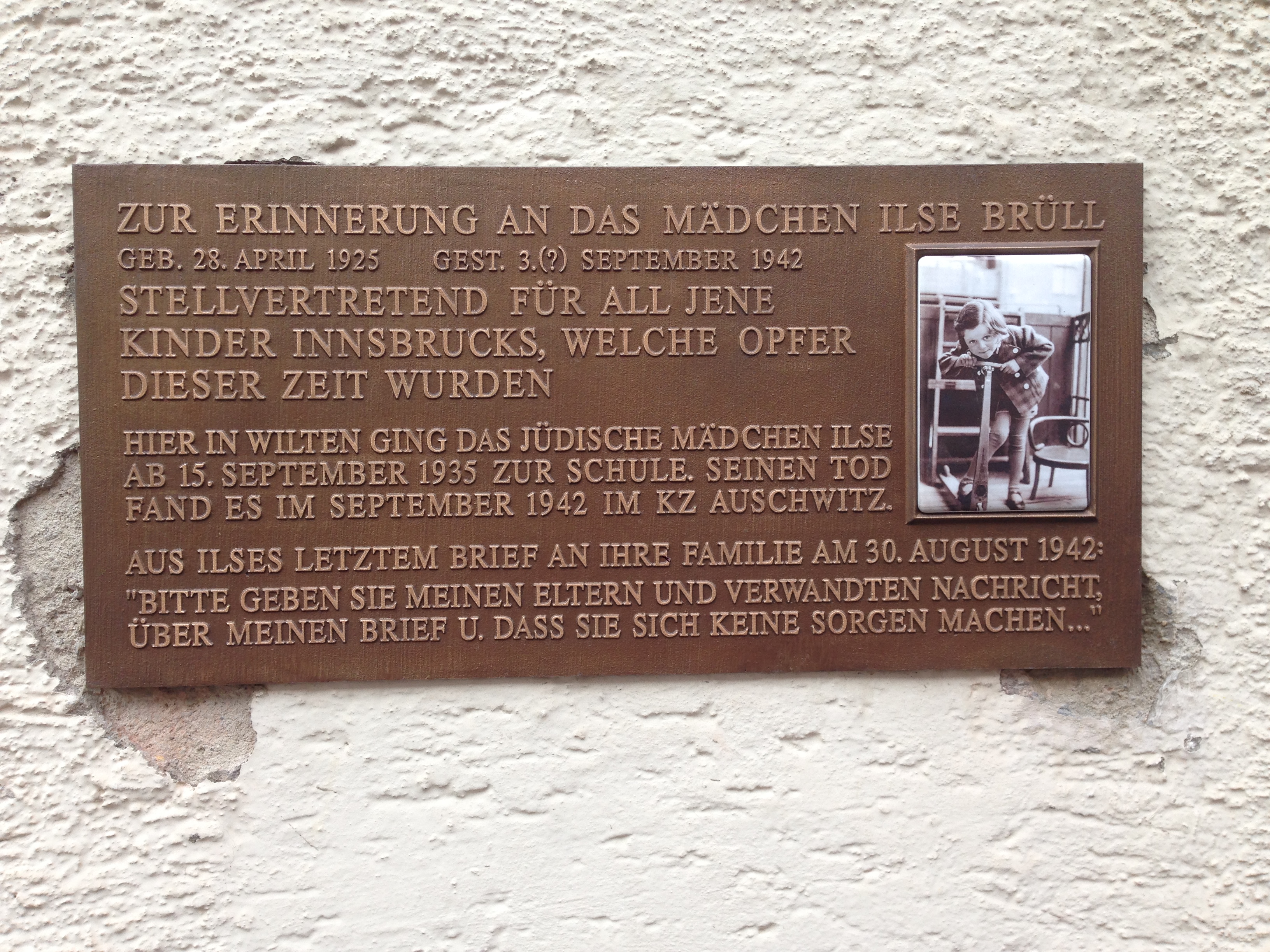
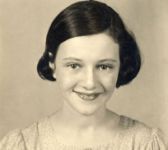
In memory of Ilse Brüll
Born 28 April 1925 Died 3(?) September 1942
and in memory of all those children of Innsbruck who were victims of this time

Ilse Brüll, a Jewish girl, attended school here in Wilten from September 15, 1935. She met her death in September 1942 at Auschwitz Concentration Camp.

From Ilse’s last letter to her family, August 30, 1942: “Please tell my parents and relatives of this letter and that they are not worry…”

thumb_ilsebruell Kopie

The story of Ilse Brüll is one of the saddest in Innsbruck’s Third Reich history. She grew up in an assimilated Jewish family in Anichstrasse in the center of town, her father Rudolf Brüll had a furniture and upholstery business. After the November 1938 pogrom (Kristallnacht) the family looked for ways to leave the country and emigrate to America, but without success.

Bruell_Rudolf_Ilse_l

Ilse Brüll and her cousin Inge Brüll were sent with the Quaker Kindertransports to the Netherlands, expecting to meet up later with their parents. At first brought to a refugee camp there, they sometimes entertained fellow refugees at events, by donning traditional Tyrolean clothing and singing duets. They were brought later to a convent with other children, and learned Dutch.

483

The Kindertransports brought Jewish children out of harm’s way to he Netherlands and Great Britain. When the Nazis invaded the Netherlands in 1942 they immediately began rounding up Jews, and demanded that the convent hand over any unbaptized Jewish children. It seems that Ilse had had the opportunity to be baptized but refused (Inge’s mother was Roman Catholic, and Inge had been baptized as a baby.)

Inge recounted in a taped interview that the convent felt it had no choice — if they had disobeyed the order, the entire colony of 200 children would have been disbanded. Ilse was taken to Westerbork Camp in August 1942 (Anne Frank’s family was just settling into the hidden apartment in Amsterdam, but would also pass through here 2 years later) before “most likely” continuing on to Auschwitz to be gassed. She was 17.

Ilse’s parents, Rudolf and Julie Brüll, were interned in Theresienstadt but survived, and returned to Innsbruck after their liberation. Rudolf Brüll fought for and eventually reclaimed his furniture shop, and was president of the Jewish Community in Innsbruck until his death in 1957.  Ingeborg Brüll died in 2011, also in Innsbruck.

Information in German here images 2, 3 and 4 from here. Image 1 by the author.

Hardy’s Map

While packing for a long train trip to Styria, I pulled a couple of books of the shelf to help pass the time. Thomas Hardy’s “The Return of the Native” was I book I supposedly had read in high school — although I couldn’t for the life of me remember what happened after chapter one, and it’s likely I really didn’t read it at all since none of it seems familiar now, beyond the Reddleman.

But what really surprised me was this map.

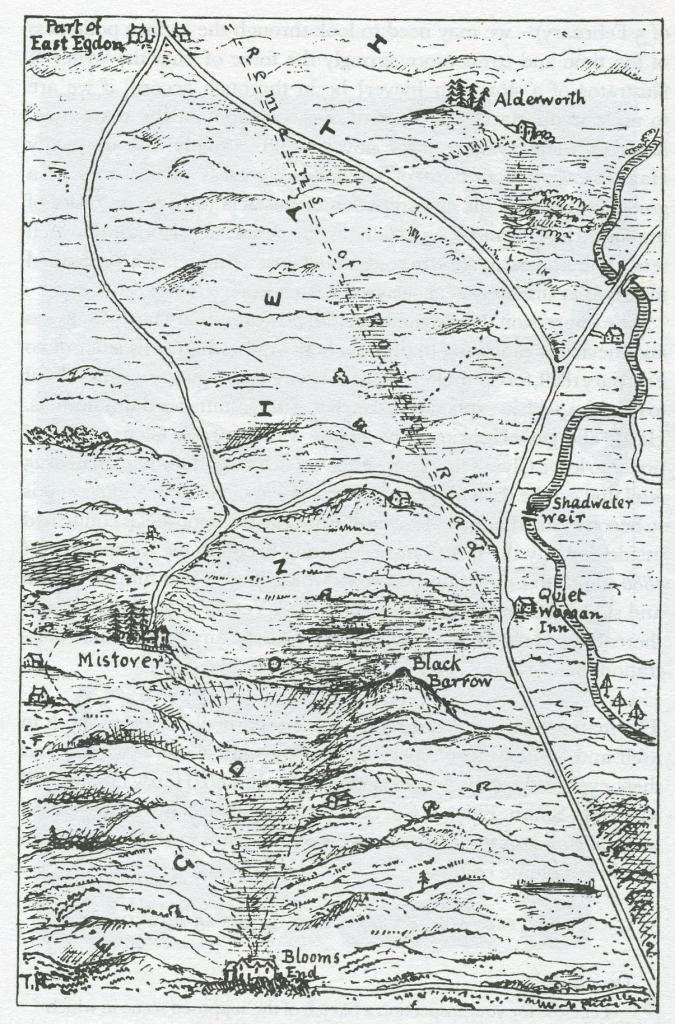
egdon-heath-map1It’s not a real place, or rather it’s a composite of places near Dorchester, real or renamed,   and re-ordered for the convenience of the story. Egdon Heath figures so prominently in the book that it’s been treated as a literary character in several analyses. Of course it has a Roman road, partially a modern road and partially remains of a track through the heath.  An ancient barrow (or grave mound) also features as a setting for several meetings.

Teriolis ≠ Tirol

Continuing in the looking-up-one-thing-and-finding-the-tip-of-the-iceberg vein, I recently began looking into an assumption I had made a while back — that the name Tirol was derived from the Roman fortress Teriolis (from which the village of Zirl takes its name). It turns out that this is completely unsubstantiated, and that the name Tirol came to these lands by being ruled by the Earls of Tirol, who in turn took their name from their home, the castle Schloss Tirol, by around 1141.
Whence the castle got its name remains a mystery. Wikipedia mentions that tir meant territory or land in both Latin and Old Irish (Celtic), and that earlier written versions of the name include de Tirale and de Tyrols.

Ah, that mysterious “y” which one finds in the name when written in English! I had always wondered about that.

Then, poking around for anything on the internet concerning the origin of the name, I came across this interesting treatise (de). (I am not sure what to make of it, exactly — it reads a bit like Tolkien’s backstory in the appendices of “The Lord of the Rings”. It also shares some word-for-word passages with this.) The author (if he is the author) postulates that the rocky hill on which the castle sits had been taken in the early middle ages by conquering Germanic tribes, who named it in honor of the Germanic god Tyr (en) (aka Ziu*, both connected in turn to Zeus deus, deva, and our Tuesday). He adds that before the castle there had been an early Christian church on the site, and it is known that those early Christian churches often were built right atop pre-Christian holy sites. So it’s possible that the name Tirol (or Tyrol) is a very old, pre-Christian one.

The first Earls of Tirol were apparently Bavarian (Bavaria was running the place at the time) but they adopted the name of their castle rather than their family name, which lends a little credibility to the theory that the place name had some ancient meaning. Which nobody would have remembered by the 12th century.

The author also mentions a very curious book called Das erfundene Mittelalter (“the invented middle ages”) by a “chronology critic”, who claims that all the years between 614 and 911 didn’t exist, that everything purported to have happened in that time, didn’t, because of some sort of massive calendar jump. Scientists and archaeologists have debunked this theory.

And, completely unrelated to these places: the name Tauern, given to the Alpine mountain region of Salzburg and Carinthia, is evidently connected to the name of its earlier inhabitants, the Taurisci. After the Battle of Telamon in 225 B.C.E., the beaten Taurisci were allowed to resettle further southwest at what is now called – wait for it — Torino, or in English, Turin.

*Ziu and Zirl sound suspiciously alike. Is it not possible that, the Romans perhaps having latinized an already-given Raetian name for that hill there (now the Martinsbühel), the two names might indeed be related, by way of Ziu? The Roman name for Wilten, Veldidena, is thought to have come from a pre-existing name. Did the Raetians share any linguistic origins with their northern neighbors? One might assume yes, as Germanic and Celtic were both Indo-European. And gods are completely transferable, as history shows us.

A Stone Marker on the West Bank of the Ammersee

Sometimes the act of looking up one thing takes me to another things, and then something else altogether. This post, for example.

IMG_1813

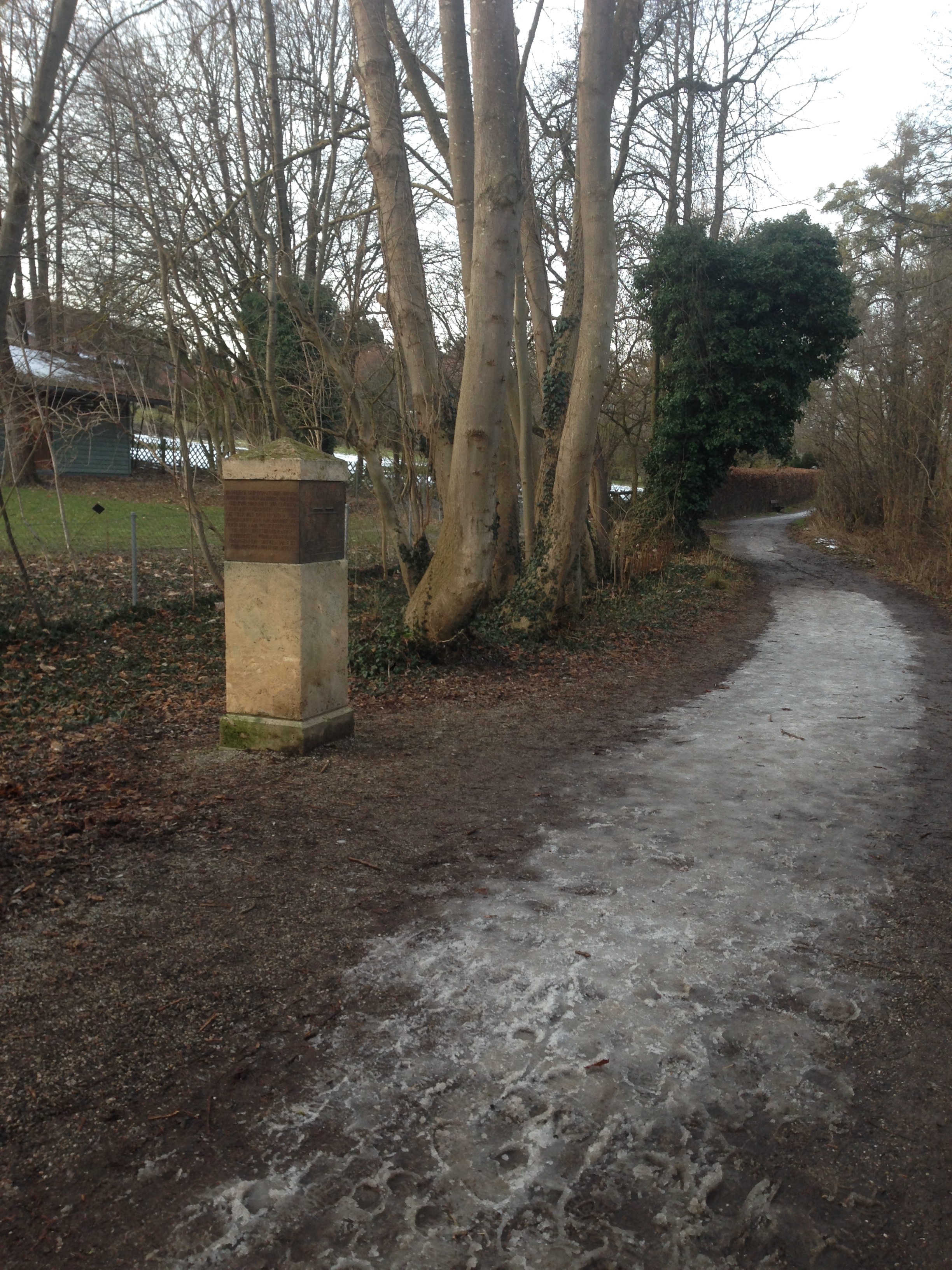
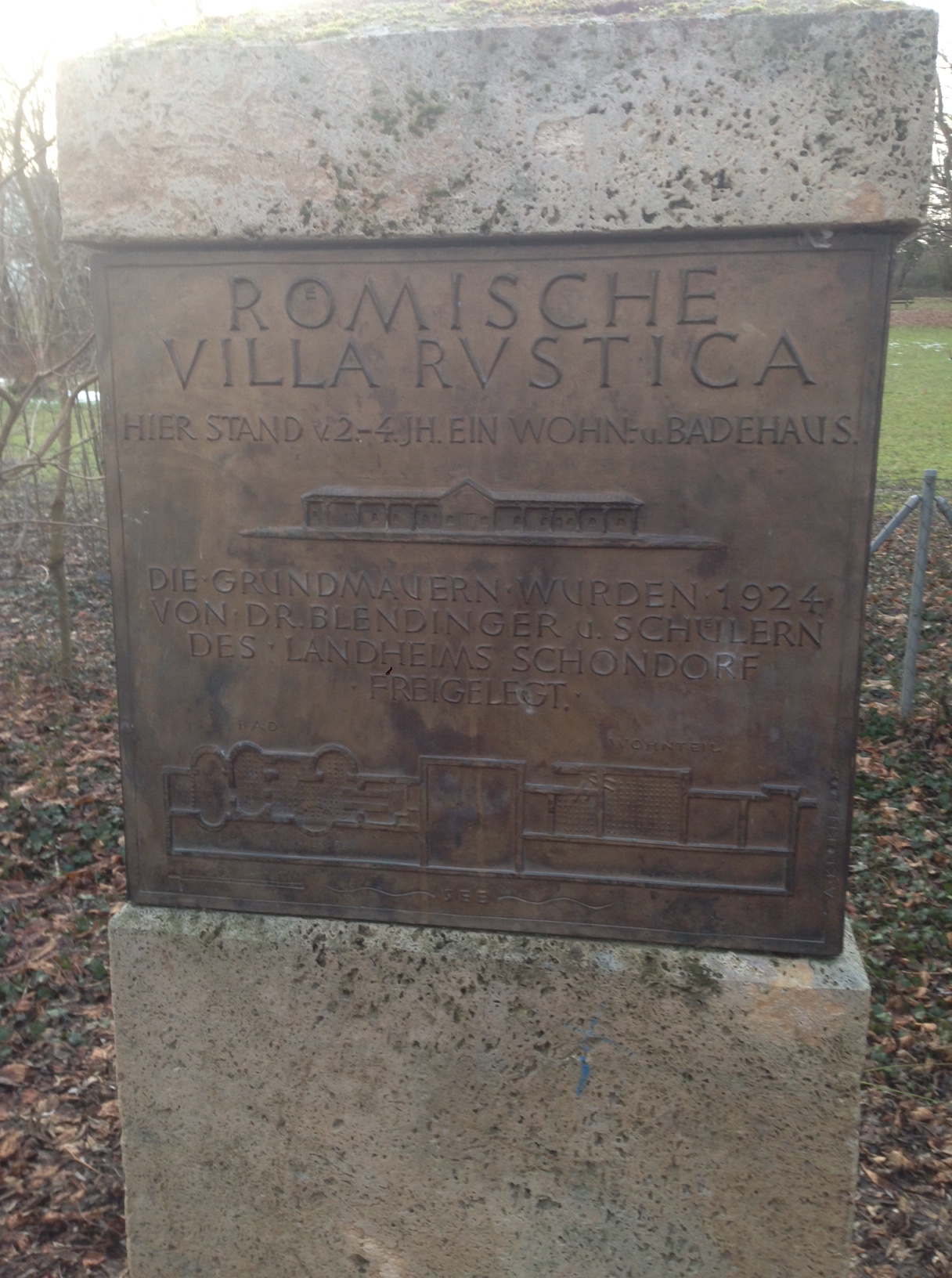
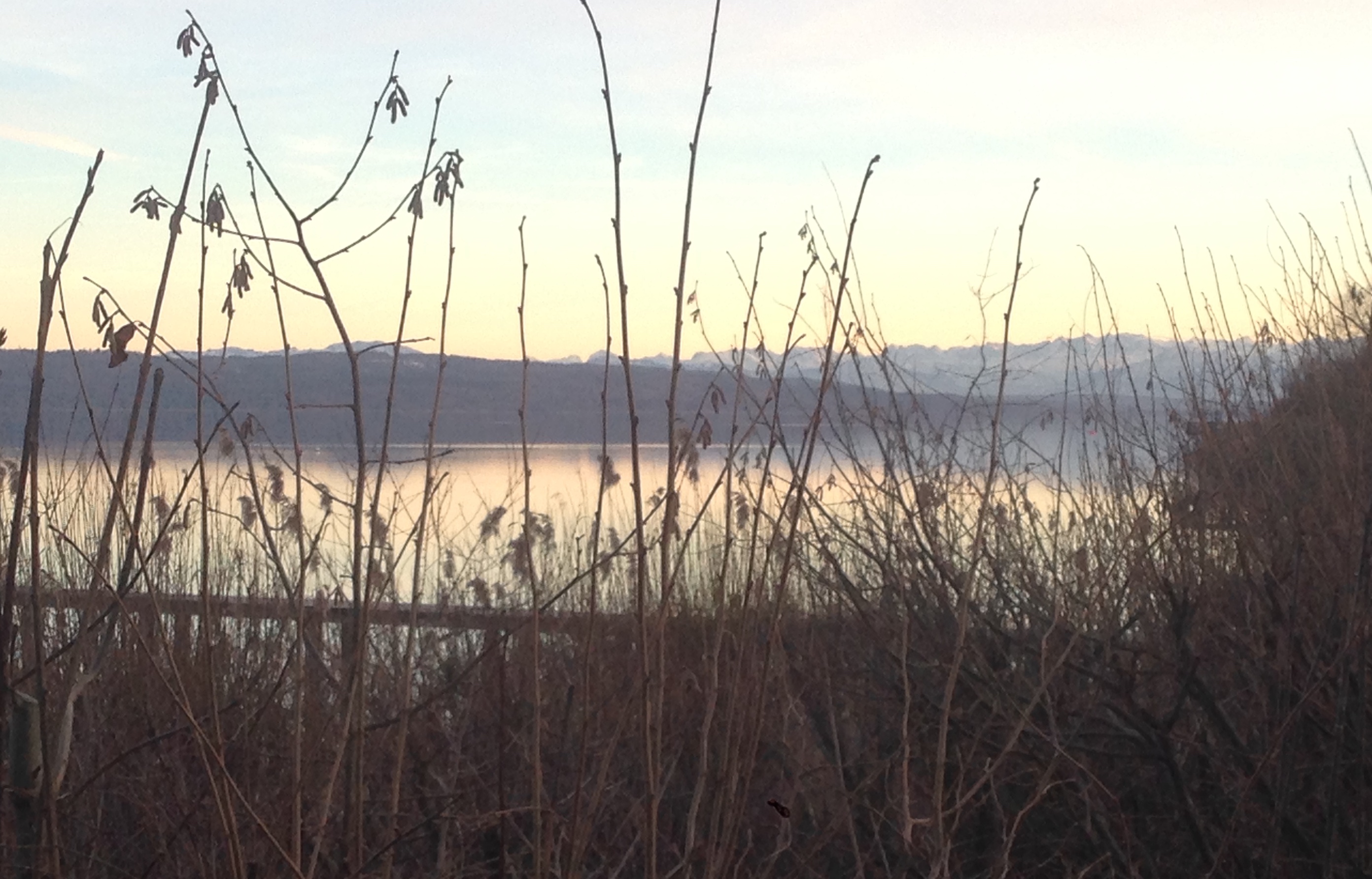
This is a path on the west bank of the Ammersee between Utting and Schondorf. The stone column seen on the left bears information about a Roman-era bath house with living quarters, which stood here between the 2nd and 4th centuries C.E.
The building was made from volcanic tuff, brick, wooden posts and mosaic, and its walls were painted with frescoes. It had living quarters and bathing facilities, including a changing room (apodyterion), and baths with hot (caldarium), warm (tepidarium), and cold water (frigidarium), achieved with an underfloor heating system (hypokauste).

IMG_1810
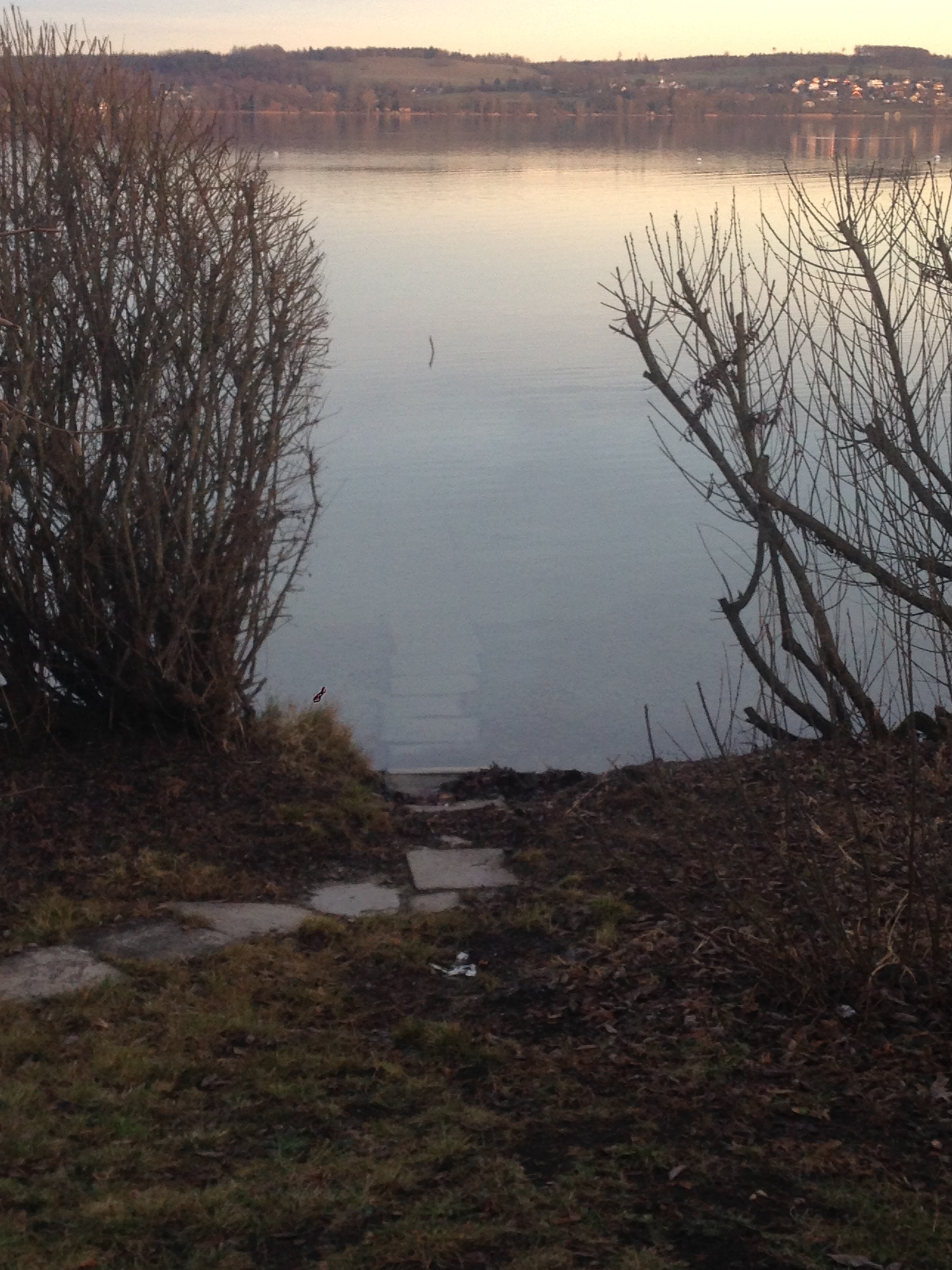
This home-spa belonged to a very nice villa and farm (villa rustica) which once stood a little further up the hill. Situated conveniently near both the east-west Via Julia (Augsburg – Salzburg) and the north-south Via Claudia*, the villa had access roads leading to connecting roads on high ground west of the lake and to the Lech valley further west. It would have provided impressive views of the lake and the mountain range beyond.

IMG_1814

According to the plaque, the foundations were excavated in 1924 by one Dr. Blendinger along with his students. Dr. Heinrich Blendinger was director of the nearby boarding school Landheim Schondorf. In 1934 he took over the über-elite Schule Schloss Salem (Salem Castle School) in Baden-Württemberg, just north of Lake Constance. That school has kind and grateful words about Blendinger on their website, giving him credit for the school’s survival through the Third Reich years. A scholarship is given in his name.
According to other sources, Blendinger was not so much “keeping Nazi influence at bay” as he would have one believe from his published memoirs, but an excellent educator who also had impeccable Nazi credentials, and who took over direction of the school after Hahn’s very Nazi successor made a mess of things. All in all one gets the impression he was, if not quite Oskar Schindler, something like that. Former students remembered that under Blendinger’s administration, the school had no racial-idealogy studies, no mandatory wearing of the swastika, and they greeted each other with “Guten Tag” and not “Heil Hitler”. That alone says much about the climate in the school, constantly under threat of being dissolved and turned into a military school.

Somewhat related to the topic: Christoph Probst, member of the resistance group White Rose, attended Landheim Schondorf at age 17 in 1936. As did (around 12 years earlier) Helmuth Graf von Moltke, who had assisted the White Rose in getting flyers to the Allies for distribution over Germany. Another White Rose sympathizer, Jürgen Wittenstein, attended Salem Castle School during Blendinger’s tenure there. He is living in the United States.

IMG_1816

*The plaque mentions the Via Claudia as being the road “to Brenner”, which is not clear. The actual Via Claudia ran further west of here along the Lech River and over the Alps at the Reschen Pass. The road now called Via Raetia, which is much closer to this place, does go over the Brenner Pass but was built around 100 years later, and seems to have had no name at the time. It is possible that the new road then took over the official route name, much like highways do today, but I haven’t seen that before in connection to these two roads.