Hannah and Her Lovers

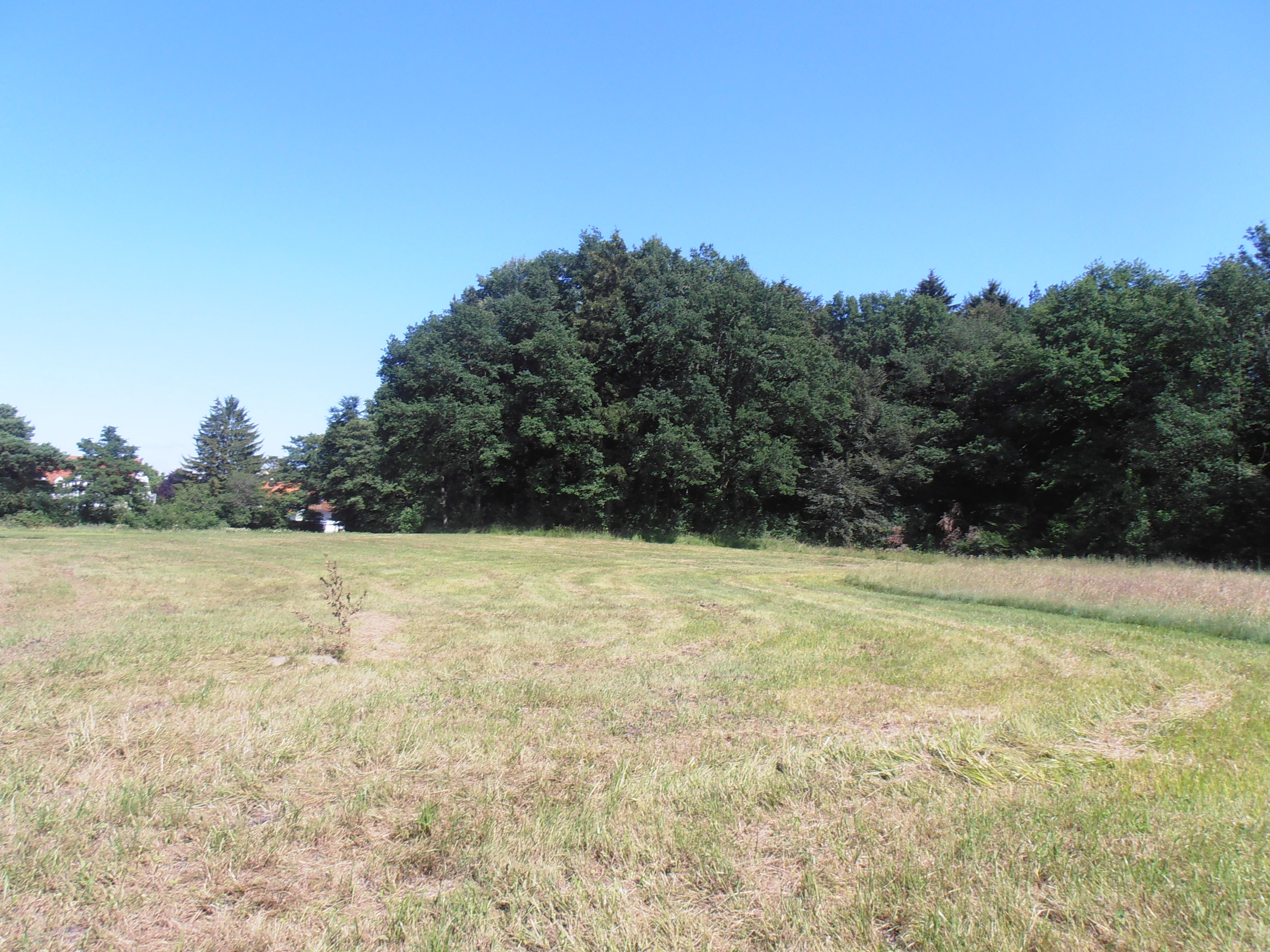
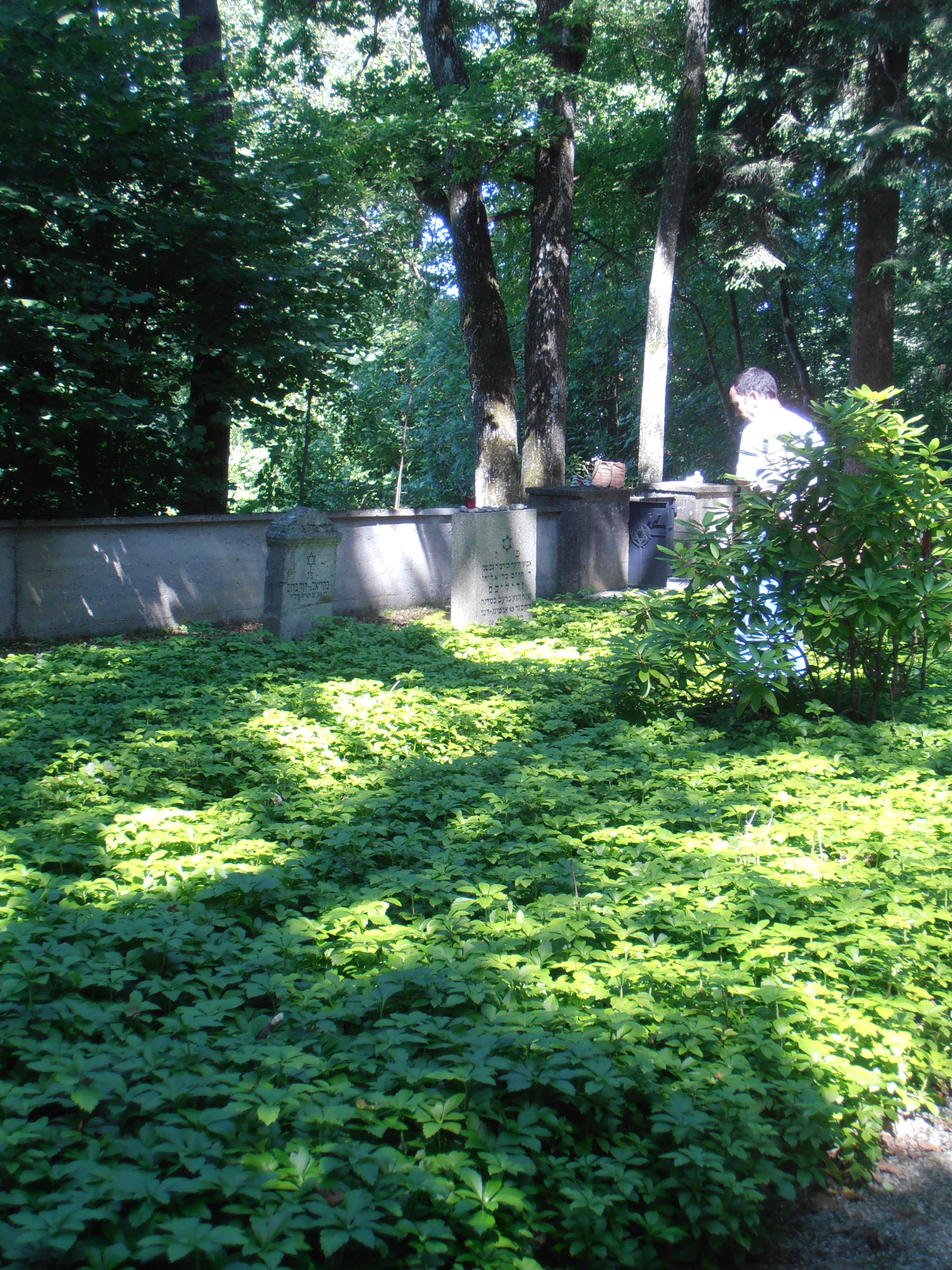
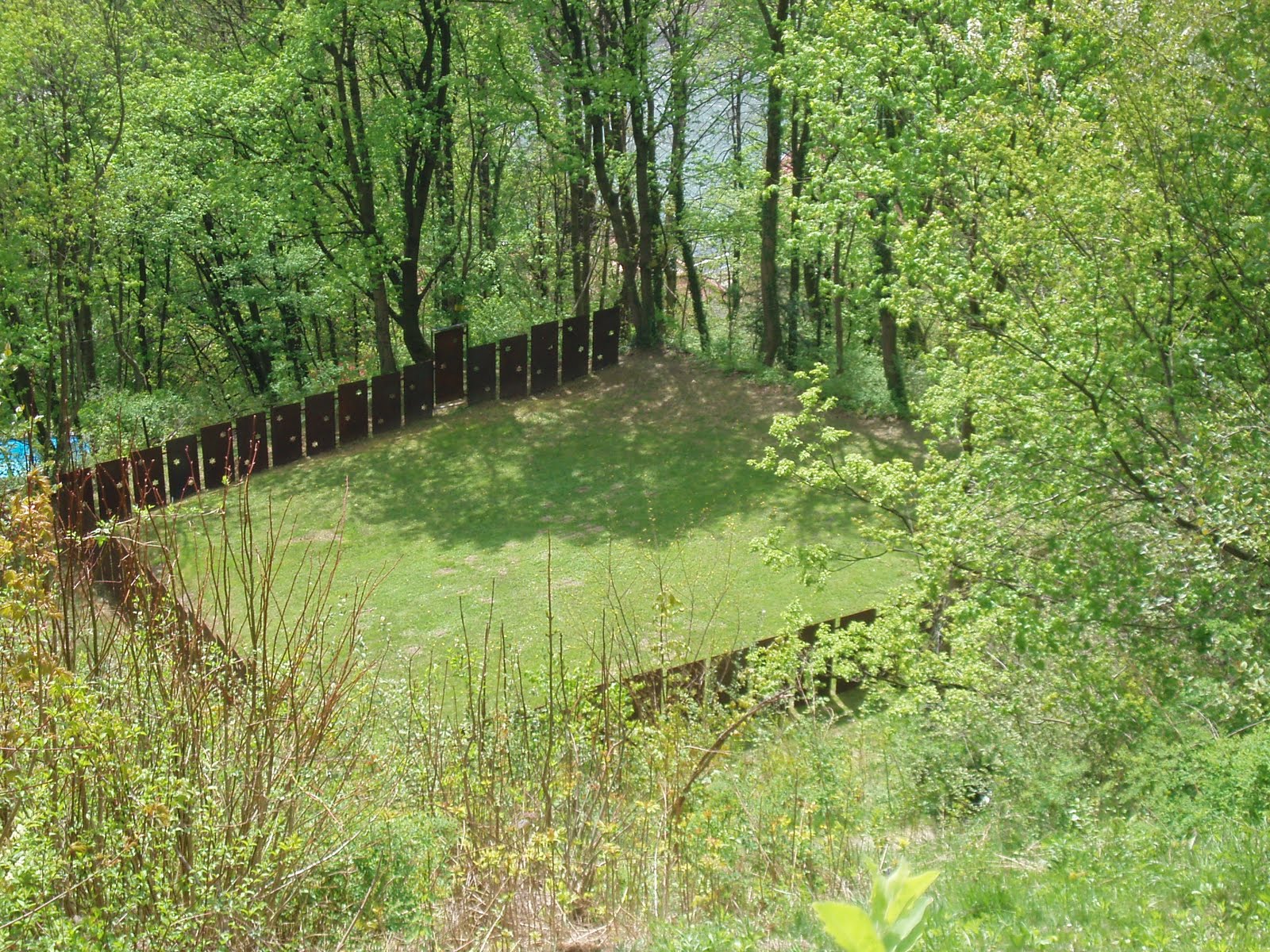
The site of the long log house today.

When Theophilus Gates, the founder of the Battle-Axe religious movement, passed away in 1846, the “indomitable” Hannah Williamson succeeded him as leader among the saints. She was already well-known in “Free Love Valley”, preaching and prophecying in the fields and roads.

She also became attached to the Stubblebine family. One mate, however, could not suffice for this remarkable woman. In the long log house near the Cold Springs, lived young Dave, Dan and Hannah. Dave was a carpenter, Dan a smith. The brothers farmed a little, but their specialty was small hand coffee mills. Dave did the woodwork, Dan the iron, and when they had a supply they took them to Philadelphia. The carpenter shop was in the log house, the smithy back in the woods, and there was a springhouse over which Hannah had a room for herself.
The state had already seized a thousand dollars in cash, cattle and farm goods for the support of Dave’s discarded wife. When his brother-in-law had endeavored to inform Dave of the hearing at Court upon this question of who was to provide for the upkeep of Catherine Stubblebine, he had refused to receive the paper, or to hear it read, observing that it might as well have been left in West Chester, and that no honest man would have anything to do with it. Catherine continues to live with her brother in the valley, and was an important witness at the trials of 1843, where her husband was dealt a sentence of eighteen months imprisonment.*

Hannah, as the world was learning, thought and acted in superlatives, measured life in the grand proportions which her torrential emotions demanded. When she found herself with child, it was a new messiah that was to be born, and when the baby died, it was laid away to await a mighty resurrection. Twice “Christ” was born in the log house, and buried, once under a great Chestnut tree nearby, once in a field by the road.
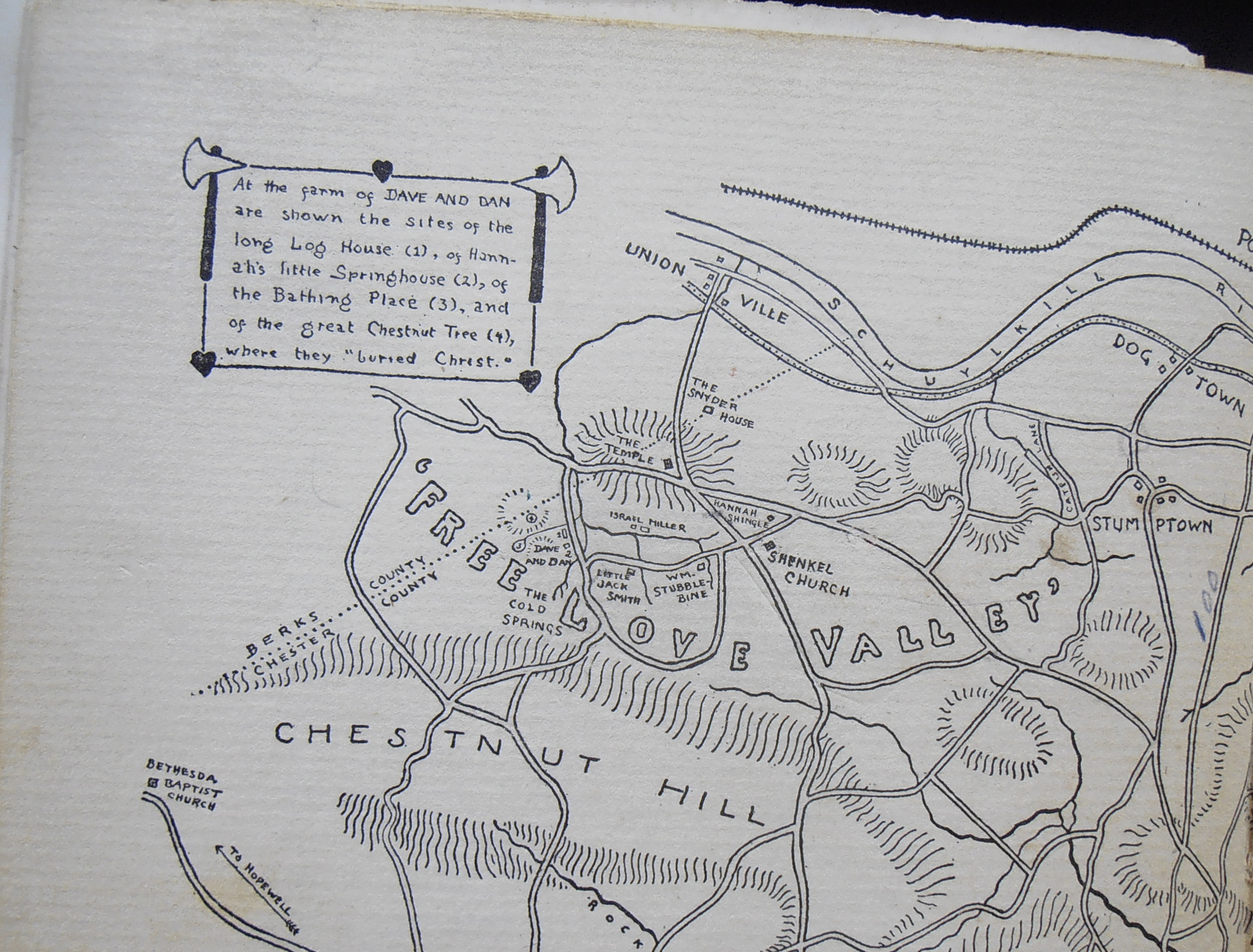
Valley children used to pick through for the log house’s rubbish heap for discarded round pieces of wood, cut from the tops of the coffee mills, to make wheels for their wagons.

But it was always with a thrill of terror that they passed the small hollows in the ground that marked the graves. At night, with the tangled shadows and the ghostly rustling of the woods about one, it was a difficult matter to get past at all. Even older people had a solemn stare for the places “where they buried Christ.” The neighbors feared both the place and its people. Israel Miller said he would not go to the log house for the best horse you could give him.


Text from “Theophilus The Battle-Axe”, Charles Sellers, 1930. Patterson & White, Philadelphia.

* Along with several others, for disregard of marriage law.
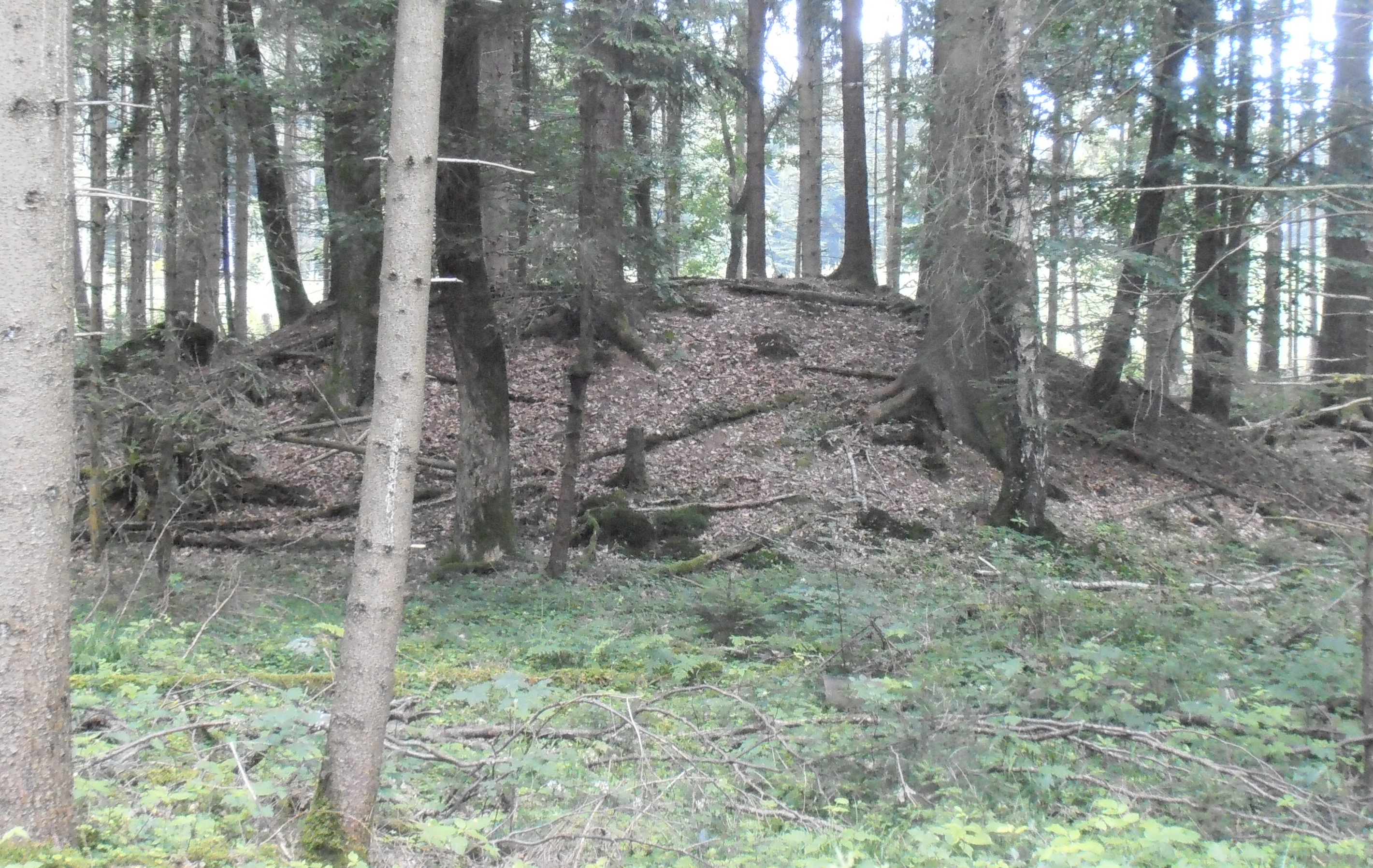
Grave Mounds near Grafrath


In the northern part of the ground moraine flatlands near the villages of Grafrath and Mauern, south of Fürstenfeldbruck, stretches one of the largest pre-historic grave mound necropoleis in Bavaria. Systematic surveillance has revealed at least 124 mounds. It is possible that more grave mounds existed outside the forested area, but were worn away over centuries of farming and building.


Research into this grave mound area began in the late 18th century, through the efforts of a local minister who made an early map of the mounds. Some excavations occurred in 1839 and 1870.  Later, in 1893, the Munich historical painter Julius Naue dug out 93 of the graves. Part of the finds are in the Archäological National Collection in Munich.
In the customs of the times, the dead were buried in their traditional clothing along with fine jewelry and vessels containing provisions. Some of  the men were buried with weapons. Some cultures buried cremated remains. The oldest burials are from the middle Bronze Age (1600 B.C.) Later burials occurred in the “Urnfield” culture in the late Bronze Age (1200-800 B.C.) and especially in the early Celtic “Hallstatt” culture (800-500 BC). The most recent, from the Celtic “Latène” era (500-100 BC,) consist of burials in existing mounds.

Thanks to the Fürstenfeldbruck Civic Trust for putting up this information on their nahTourBand walking trail.

Also special thanks to the guy who manages the Kraftvolle Orte website, which lovingly details what appears to be every single Pagan sacred place in Bavaria, including directions and GPS coordinates.. Gotta love those Germans.

The Hidden Jewish Cemetery in Utting

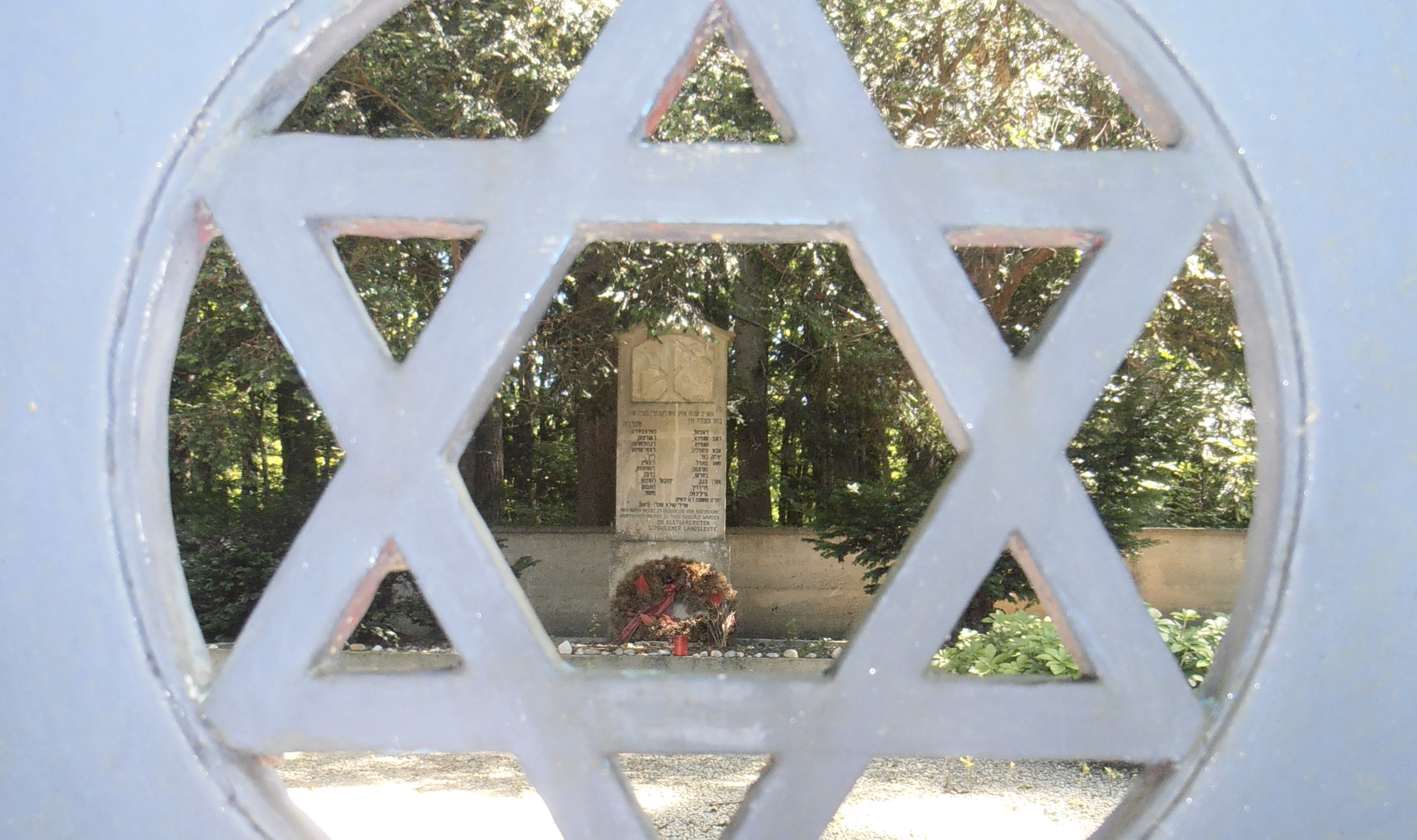
Looking for other archaeology sites on the local map, one stumbles across other, less expected things. For example, a KZ (concentration camp) cemetery outside of the small lakeside town of Utting, where there had been a tannery which made use of forced laborers from Dachau — there were satellite camps all around, this was Camp 5 (Lager V).

We almost didn’t find it. In fact we had come to a dead end in a field and started to turn back, when a local came by on his bicycle. When he heard what we were looking for, he generously walked us there (we never would have found it on our own, once we saw where we were headed — through a patch of forest,  someone’s back lawn and  a wooded archery range — but we had come in from the wrong road, it seemed.

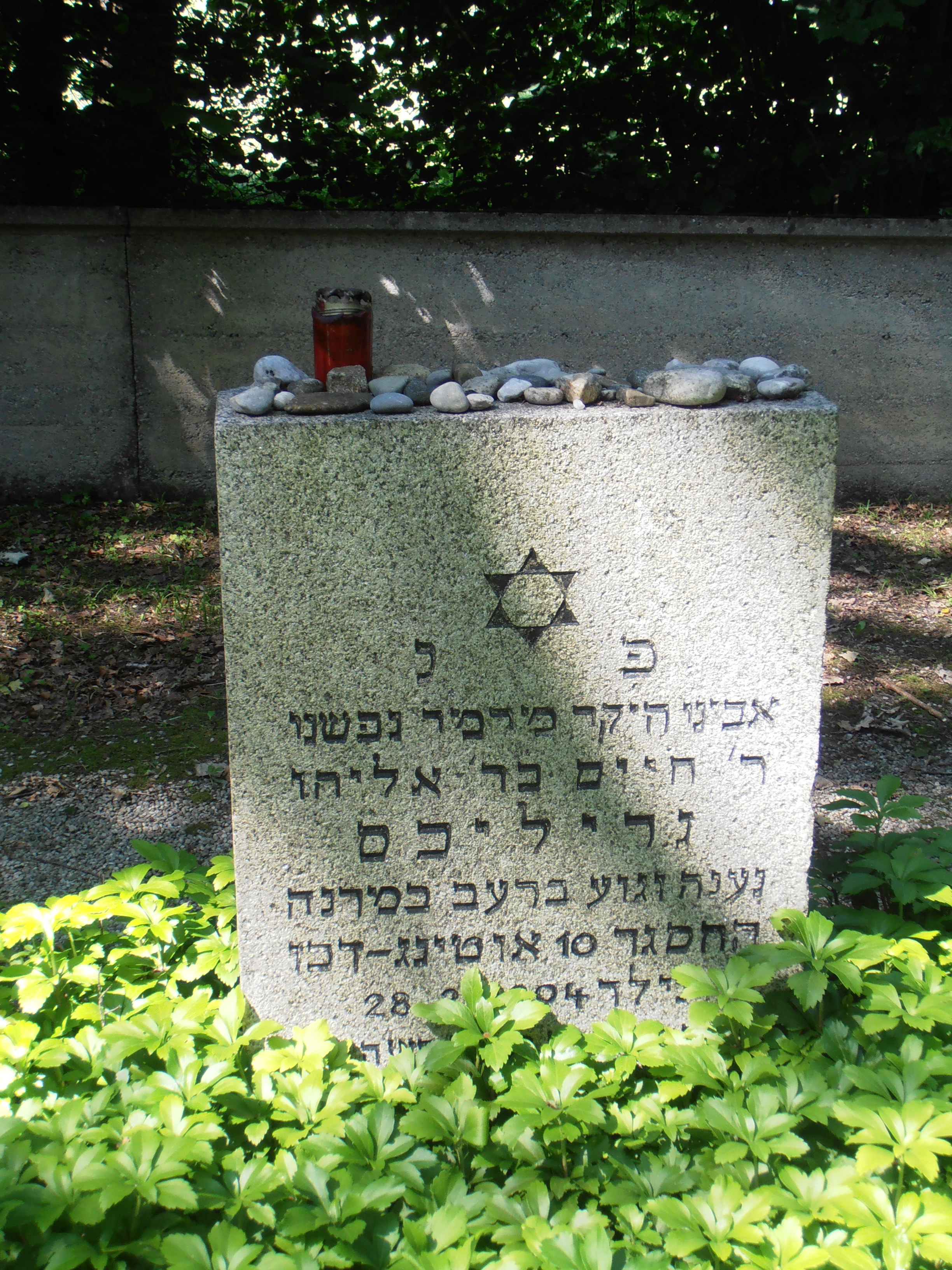
About 500 male prisoners worked here from August 1944 until April 1945. This cemetery is for the 27 who died from the brutal treatment.

A large stone inside the cemetery wall commemorates the 27 victims, from “the rescued compatriots of Schaulen” (Šiauliai, in Northern Lithuania, was an important leatherworking town. Which explains why its sons were brought to the tannery).

In my research I came across this poem by Yehuda Amichai, translated into English by Chana Bloch and Chana Kronfeld. The description could fit just about any of these little memorial graveyards, including this one.

“A Jewish Cemetery In Germany”

On a little hill amid fertile fields lies a small cemetery,
a Jewish cemetery behind a rusty gate, hidden by shrubs,
abandoned and forgotten. Neither the sound of prayer
nor the voice of lamentation is heard there
for the dead praise not the Lord.
Only the voices of our children ring out, seeking graves
and cheering
each time they find one–like mushrooms in the forest, like
wild strawberries.
Here’s another grave! There’s the name of my mother’s
mothers, and a name from the last century. And here’s a name,
and there! And as I was about to brush the moss from the name–
Look! an open hand engraved on the tombstone, the grave
of a kohen,
his fingers splayed in a spasm of holiness and blessing,
and here’s a grave concealed by a thicket of berries
that has to be brushed aside like a shock of hair
from the face of a beautiful beloved woman.

Historical information on the cemetery found here. This is the work of one Othmar Frühauf, who has photo-documented Jewish cemeteries in Germany for Alemannia Judaica (Both links are in German). My hat goes off to him.

Poem found here

Update on the Grave Mounds

OK, I did a little more searching on the internet, and found that there is more to be found under “Grabhügel” than there is under “Hügelgräber” (which is the word used on the Schondorf municipal website.) A lot more. Between the Ammersee and the Lech river alone there are 167 mounds. In Grafrath, just a ways up the road, there are 250 mounds, old stone-age fortress remains, and a sacrificial stone complete with cup markings. In other words, the place is teeming with pre-historic geological archeological finds. So little time!

Pagans in Bavaria: Celtic Grave Mounds

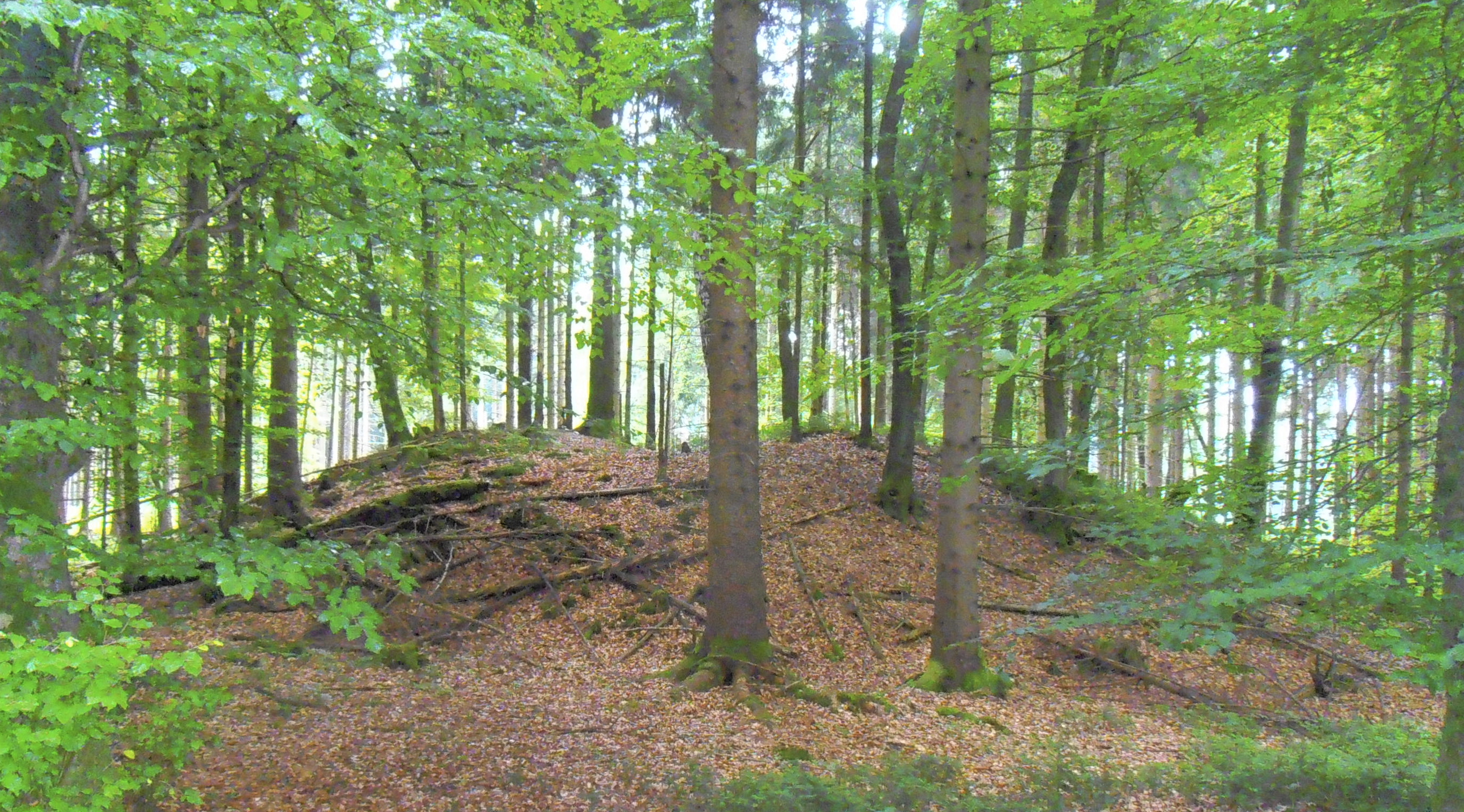
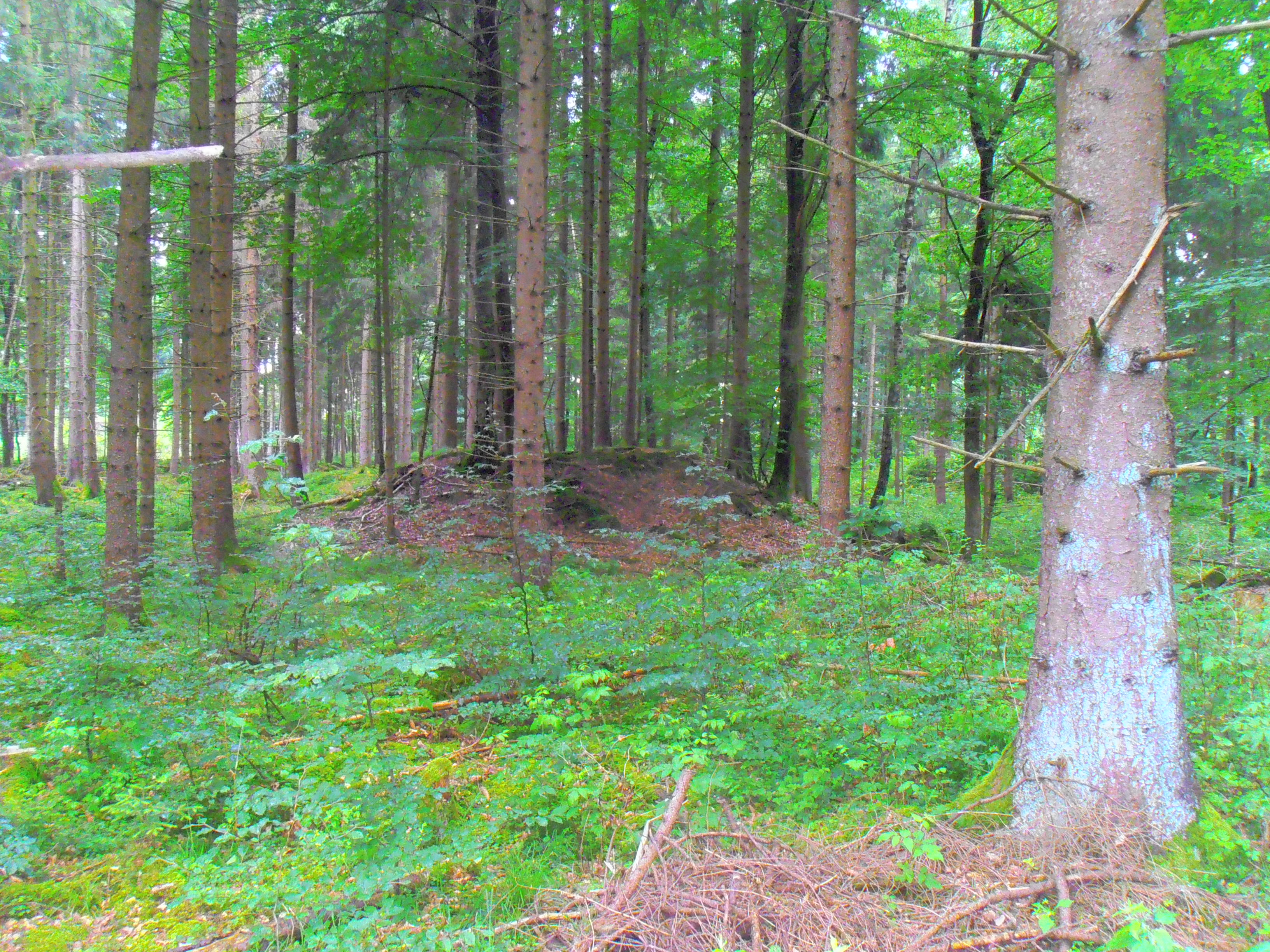
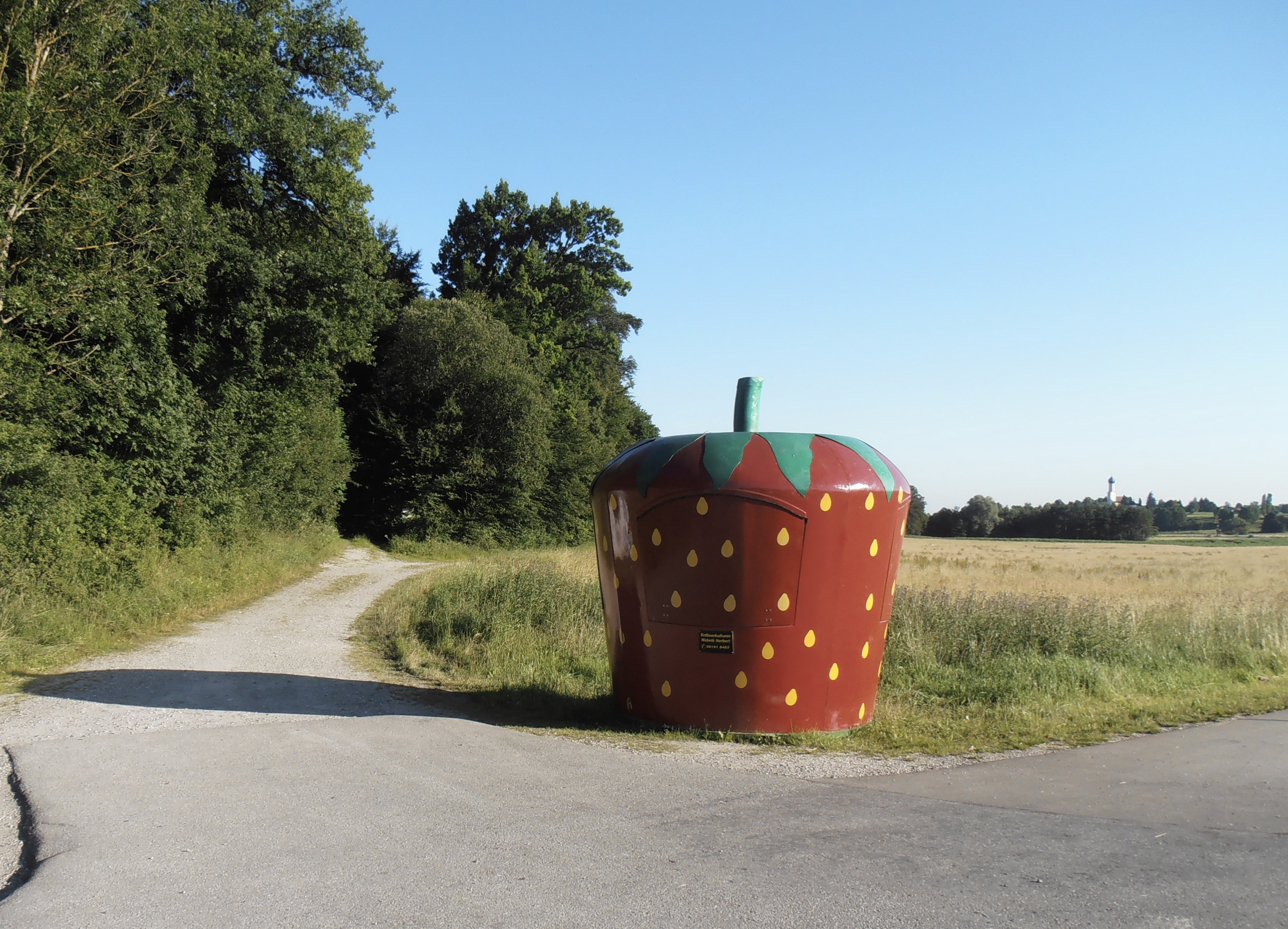
On my hiking map of the Ammersee region, I found two red stars placed on a wooded area north of Schondorf. The map’s key uses this symbol for grave mounds or ringwalls, a number of which are to be found in Bavaria. Surprised to find some just down the road, we set off to look for them. Going mainly by instinct, we turned off the road at the big strawberry between the Aldi and Schondorf and parked there, then headed into the woods on foot.
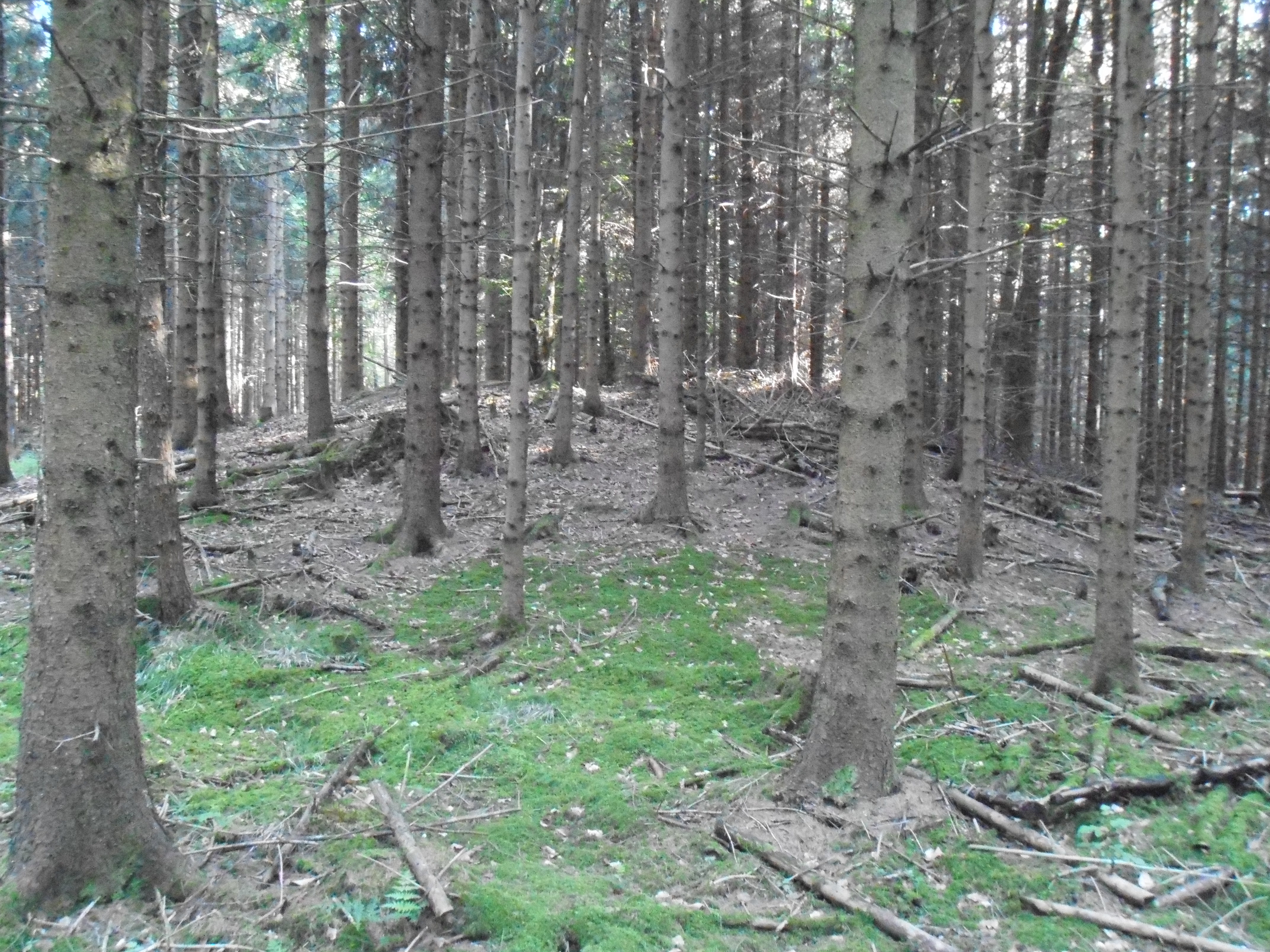
This was not the ideal entrance point, but we couldn’t find a better one. Trying to walk toward the place indicated by the stars, we veered off the path pretty early. On the other side of some swampy grassland surrounded by forest, I could make out something that looked higher than the rest of the forest floor.

I think this is a mound. The Beau was not entirely convinced. No signs, no path, just strange little hills covered with trees and moss, and a hell of a lot of biting insects (I was wearing shorts — “typisch amerikanisch”, said the Beau — a mistake I won’t make again.)

Here appear to be three. It’s not easy to tell in the photos, but they really were different from the surrounding landscape. (Of course, it’s impossible to tell just by looking — hills like this could have nearly anything underneath them, from old war debris to landfill. ) Local websites mention that there are fourteen such Celtic grave mounds in the area, but nothing more about them. We’ll keep looking.

Das Tirol Panorama

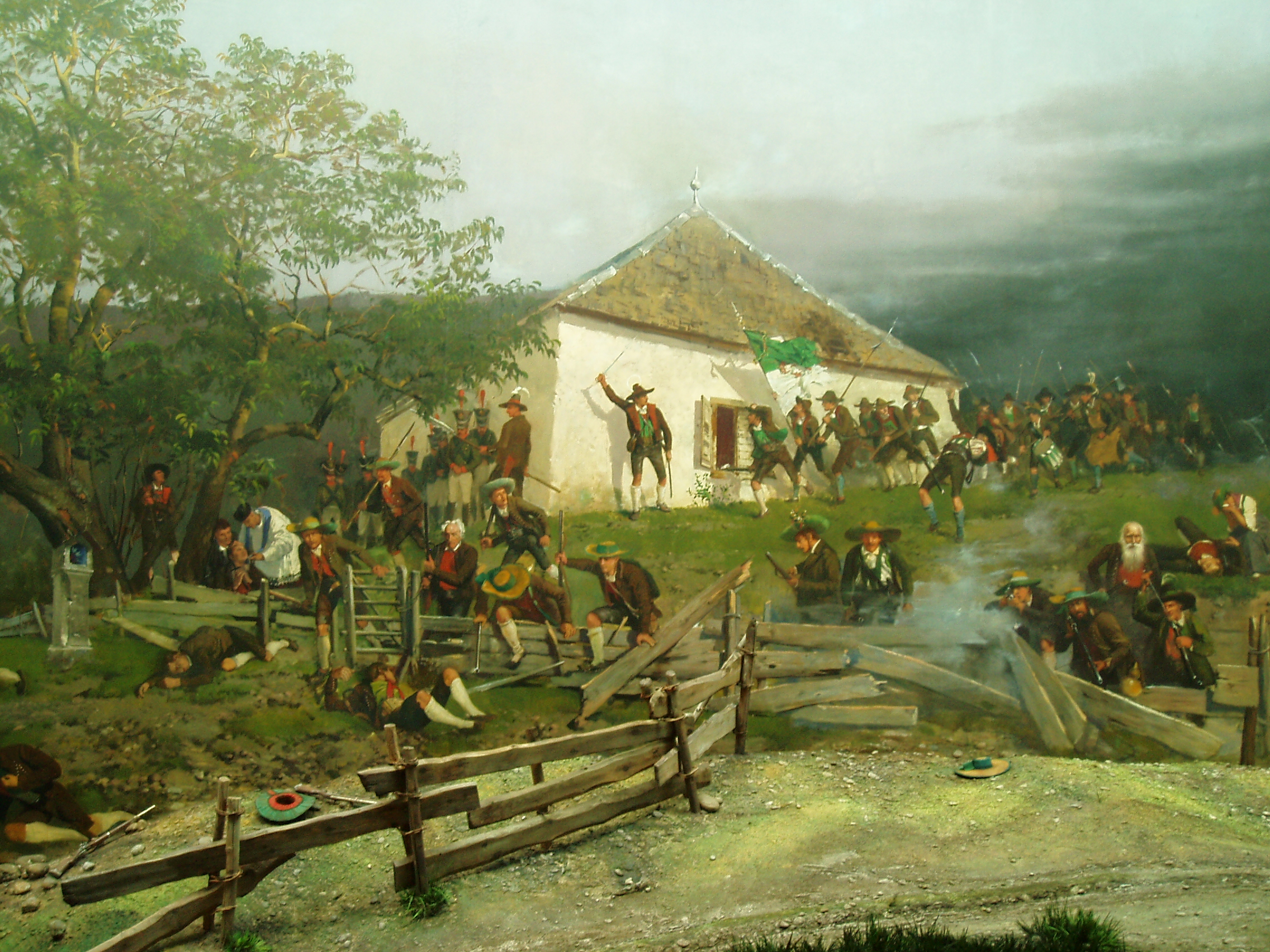
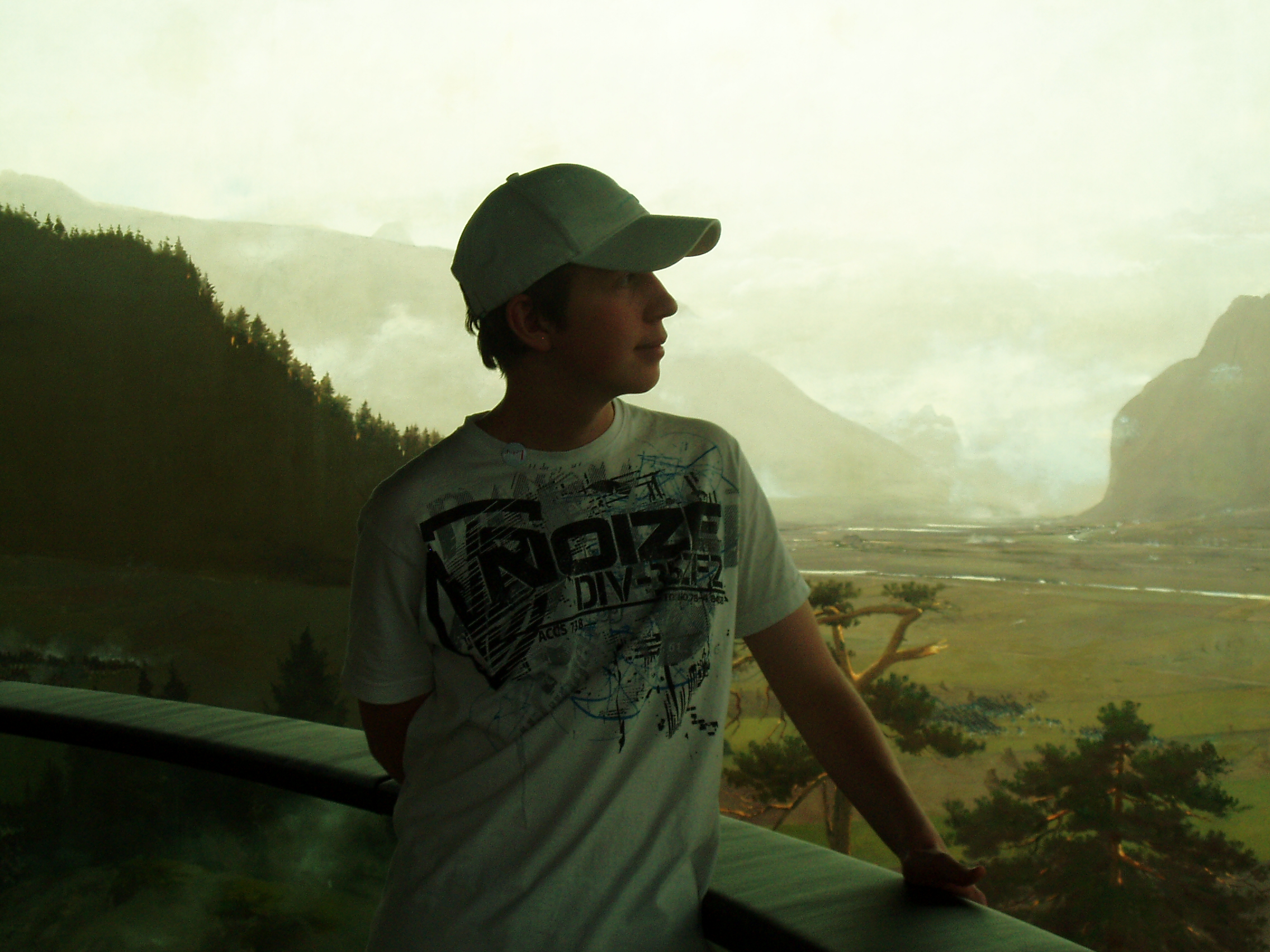
There was finally time for a visit to the Panorama Museum, home of Innsbruck’s historic Riesenrundgemälde, previously displayed in the Rotunde in town. The interior is all modern glass and concrete, but they’ve done nice work with the presentation of the old-timey panorama painting, which still has its charms. One particularly strong impression is one of the very first — you have to descend an escalator to a lower level and then walk up a set of stairs to get “into” the panorama, and from the bottom of the stairs you see the Northern Range, and for a second you really aren’t sure if it’s not the real thing you’re looking at. Later in the connected Kaiserjägermuseum you find yourself looking up another set of stairs, at the top of which is a large picture window which does look out on the real Northern Range, and then you realize what the architect was up to.

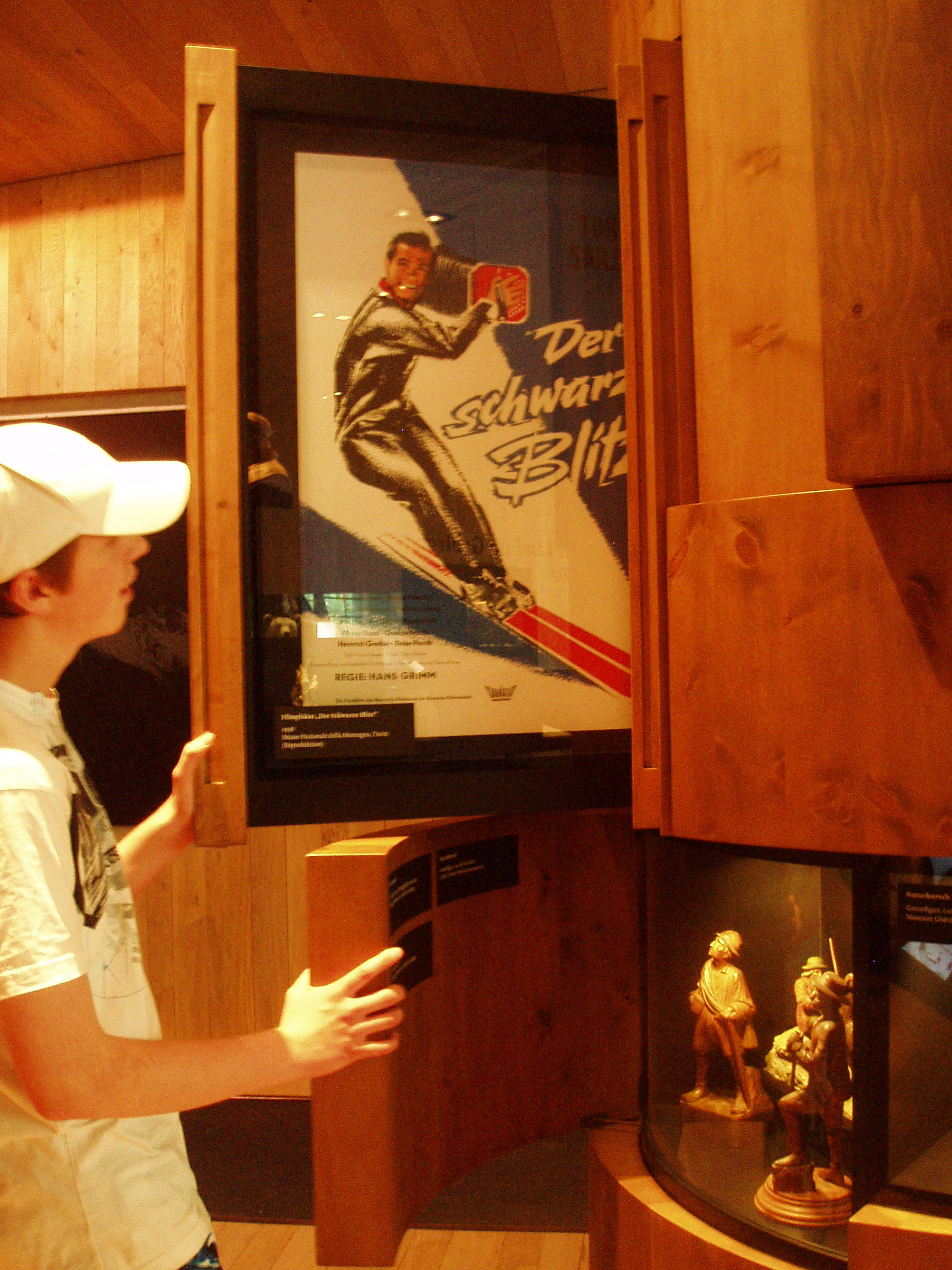
Back downstairs, one proceeds into a large space with a lot of “tiroliana”, some of it hidden in secret compartments within wooden pillars, which looked popular with children. In the center of the room is a lot of political remnants (such as the horse’s head from a Mussolini statue from South Tirol, blown up by activists in 1961).

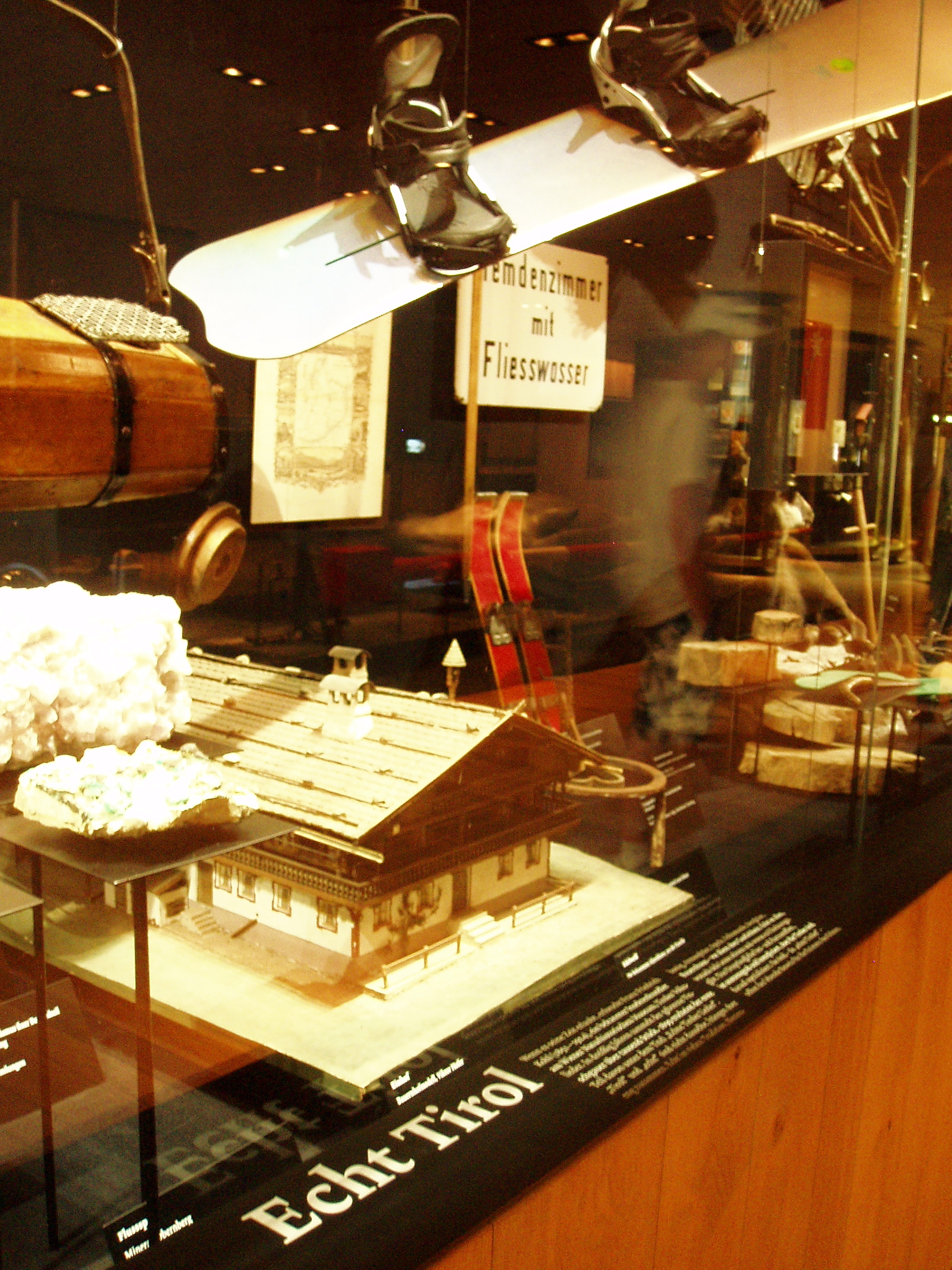
On the other side, a showcase of all manner of local “stuff”, past and almost-present. We didn’t quite get this part; it was as if the museum had to find a way to tie all these objects together and decided to display it almost randomly, with the archaeological finds right next to  20th-century mountain-climbing gear, insect display cases next to old crèches. Sometimes the explanatory signs were not easy to find. We decided that the snowboard must have been Andreas Hofer’s.

If you are visiting Innsbruck and want to see the Museum, I recommend taking the Nr. 1 streetcar to Bergisel (the last stop), then walking up the hill to the museum. There is also a restaurant with outdoor seating, and a gazebo from which to enjoy the view. Just across the park is the entrance to the ski jump arena, which also houses a cafe perched atop the jump, and more impressive views. This museum seems to be more for the locals than for visitors, but if you are interested in getting a sense of Tirolean history and culture without having to do much reading or traveling around, this could do it. The museum offers free headsets with audio tracks which explain what you are seeing. We did not take them, so I can’t tell you how they are.

A Surprise In The Kaiserjägermuseum

So, I finally made good on my promise and took my young friend to the still-new Tirol Panorama Museum on Bergisel. It’s connected to the Kaiserjäger Museum, which is dedicated to the Empire’s local militia regiments from the 19th century, so we wandered through that too, just looking at the paintings and the weapons with mild interest.

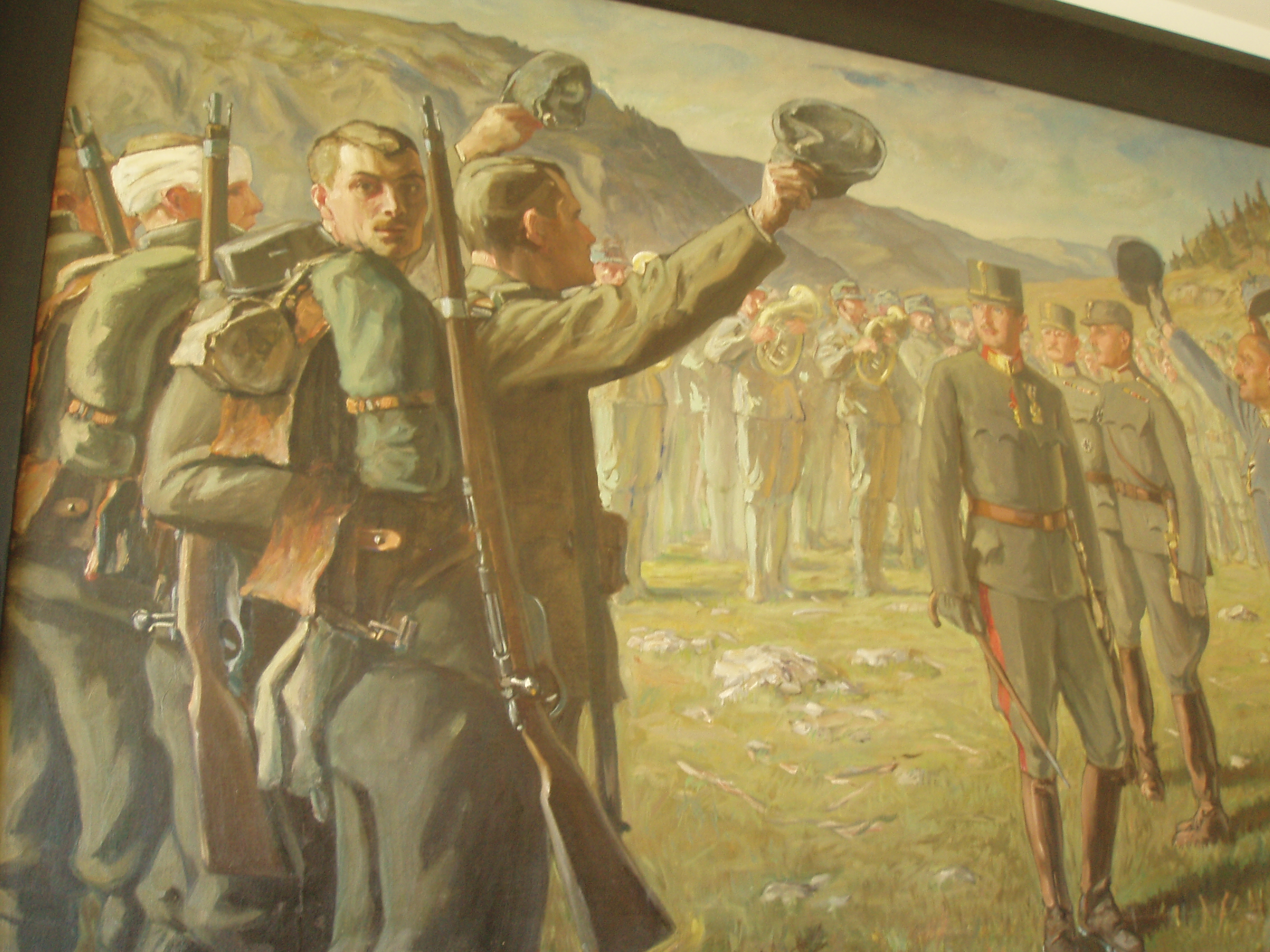
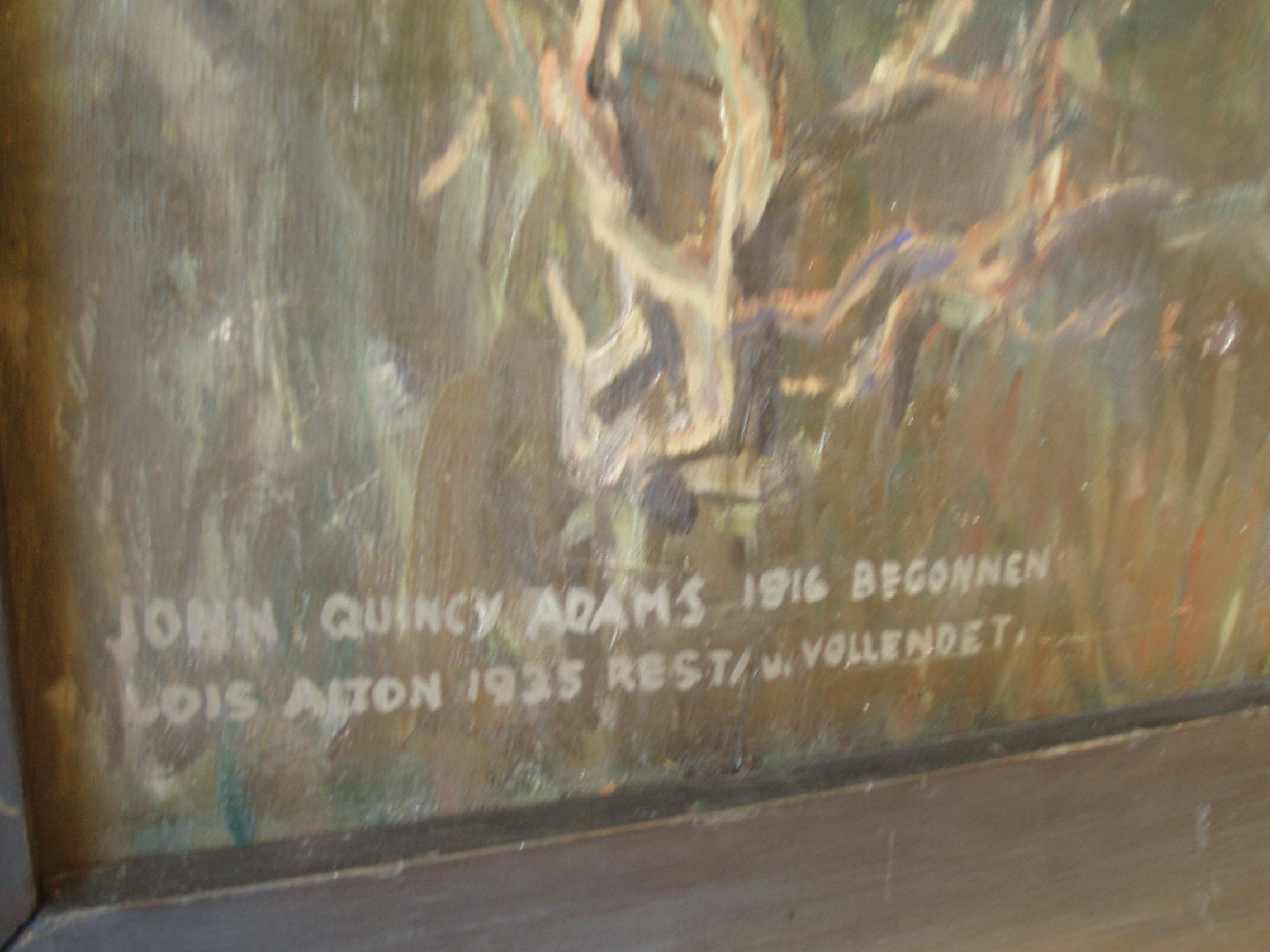
In one room my eyes rested on a large painting of soldiers greeting Kaiser Karl, the last Emperor of Austria. I found interesting the one soldier turning to look directly at the painter, and so my eyes dropped down to read the artist’s signature.

Say what? “John Quincy Adams, began in 1916. Lois Alton rest[ored?] and finished in 1935.”

Not the U.S. President, but a descendant, 1874-1933. Interesting what Wikipedia (the German site) tells me — his father, Carl Adams, was a Heldentenor at the Vienna Court Opera for ten years, then brought his family back to America when John Quincy was four years old. At age twenty-six he enrolled in the Vienna Academy of Fine Arts, and went on to have a pretty successful career on both continents. He’s even got a grave of honor in Vienna’s central cemetery.

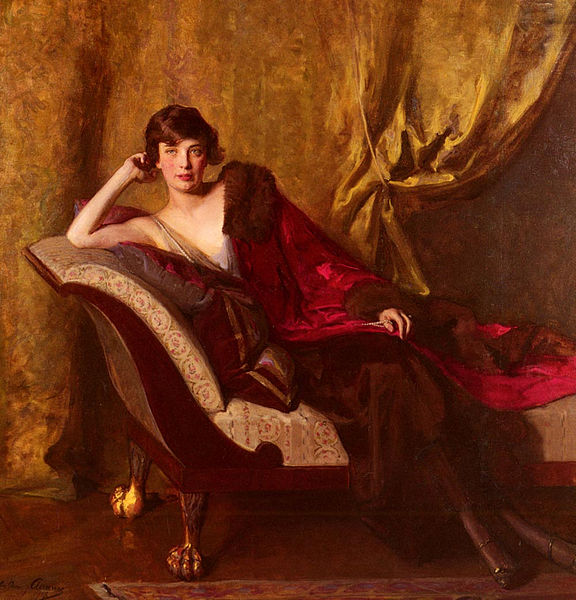
Here is another work, to show that it wasn’t all war paintings for him. Of Countess Michael Karolyi, from 1918. Very nice.

The restorer Lois, or Luis (short for Alois) Alton was a local artist of landscapes and portraits.

>Forgotten Innsbruck: “Kropferte Liesl”

>

Austrian Empress Maria Theresia gave birth to 16 children, ten of which survived into adulthood (pregnancy seems to have given her extra spurts of energy which she then used to accomplish such things like reorganizing the army or conducting wars.) Her eldest son Joseph succeeded her as monarch, and her most famous child is probably Maria Antonia (better known by the French version of her name.) These two and all the others are subject of the book which I am currently reading, “Maria Theresias Kinder: 16 Schicksale zwischen Glanz und Elend” (Maria Theresia’s Children: 16 Fates Between Glory and Misery), Hanne Egghardt, 2010.

After the unexpected death of her husband, Franz I Stephan, during a trip to Innsbruck, Maria Theresia founded a Damenstift for noble ladies there. A Damenstift (or Frauenstift) is a sort of monastery for women, but differs from a convent in that, unlike nuns, the residents were not bound by holy orders. They were required to participate in prayer and masses, but enjoyed many more personal freedoms as well as the option to leave if they so wished. The Stift founded by Maria Theresia was set up so that prayers would be said around the clock for the soul of the deceased Emperor (I assume carried out in shifts.) As most of the noblewomen were under quite young, it may well have resembled a sort of Catholic girls’ boarding school, without classes or teachers. 

When Maria Theresia died, Joseph made sweeping changes in Austrian government as well as to his own household, moving out the two “spinster” sisters still living in the palace (‘Weiberwirtschaft‘.) Maria Anna (“Marianne”) had always been in poor health and was never married off; she went by her own choice to a monastery in Klagenfurt. Maria Elisabeth had been a lovely, unserious young woman consumed with her beauty, fashion and society until a debilitating case of the pox laid her low. She survived but was literally scarred for life. All her marriage prospects dried up at once, and she stayed well out of the public eye for three years. Elisabeth, it was decided, was to go to the Damenstift in Innsbruck, and it was a turning point in her life.

After a childhood and youth in which her looks were everything, and the depressing years following her illness, Elisabeth began to find her self-confidence. She gained a high position in the community, received the Pope during his visit to Innsbruck. She never lost her sharp wit, nor her sharp tongue — she called Emperor Franz II “the boor”, Archduke Ludwig “the sneak”, the Archbishop of Oelmitz the “little nest-shitter”. Freed from all pressure to be attractive for marriage, she gained quite a bit of weight and became known for her triple chin, which she even showed off on occasion by pulling aside her veil and “letting them swing like billiard balls”.

When troops neared town (first Revolutionaries, then Napoleon’s) the ladies of the Damenstift were forced to flee, and in 1806 they ended up in Linz. Elisabeth died there in 1808 and was laid to rest in the cathedral.

>Pagans In Tirol: Der Judenbühel

>

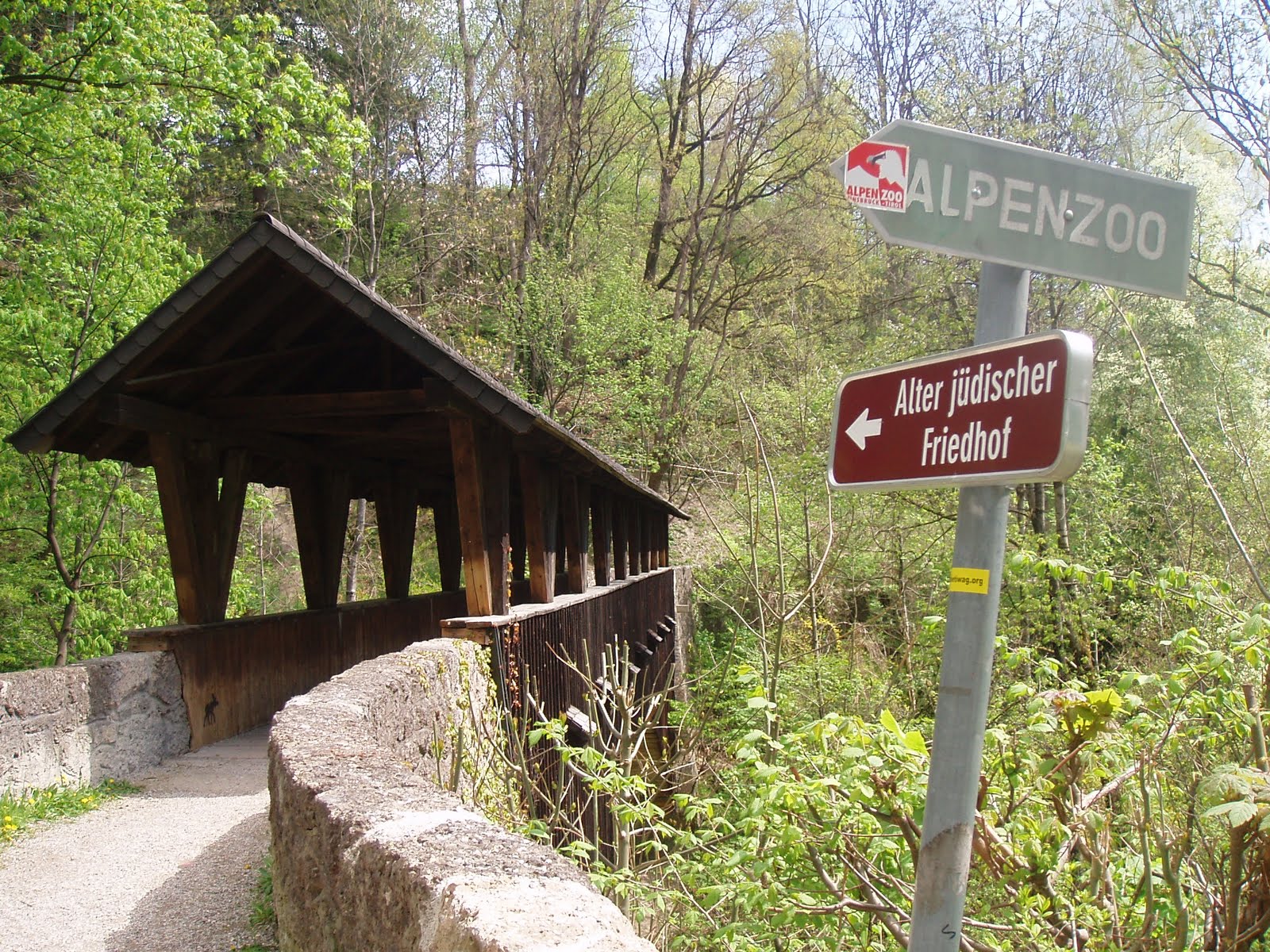
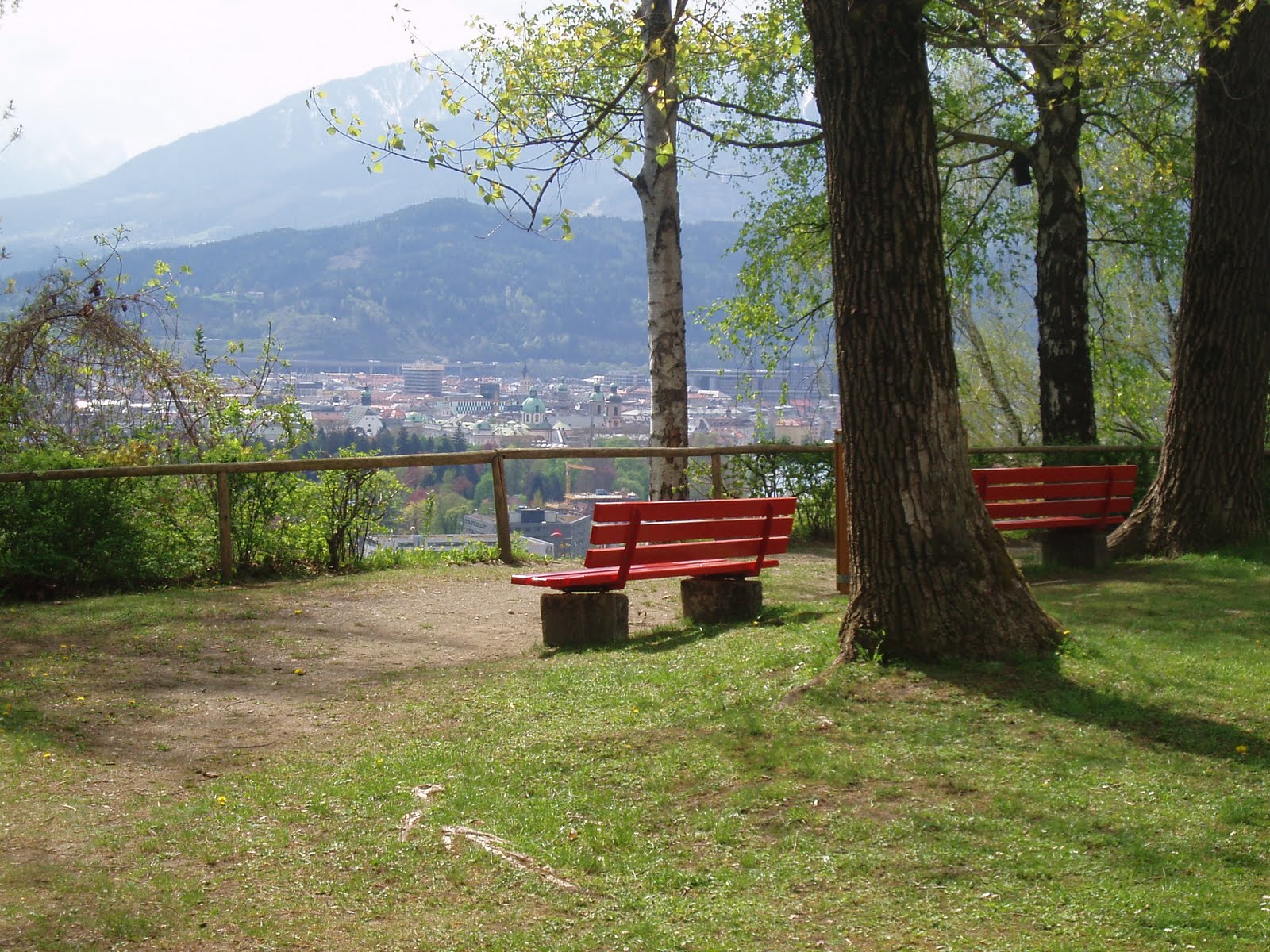
 Below the Alpenzoo, close to the Hungerburgbahn, is a bridge to a hill called the Judenbühel, or literally, Jews’ Hill. From a cursory online search I found that the first written reference to it is from 1598, when a Jewish local man got permission from court to establish a family plot there, “where the old Jewish graves were”. 

  
The old Jewish cemetery (rediscovered and now an historical site — the actual cemetery moved to the Westfriedhof in the 19th century) is found on a southern slope, not at the top. The top of the Judelbühel is as flat as a pancake, as wide as a parking lot, and circular. It currently holds a grassy park with a playground.

 The sides of the hill are covered with moss and trees, but there are places where the ground is eroding. And here you can see that there are no stones in this ground at all, it’s all just earth and tree roots. Which I find unusual, since this whole region full of rocks and boulders of all sizes. Was it landscaped in the last 100 years, or did it slowly grow, like the altar mound atop the Goldbichl?

 There may be perfectly modern answers about the flat-topped Judelbühel (maybe the top was landscaped for the playground in the last century or two?), but I haven’t found them yet. In the meantime I am left with comparisons to the Hexelbodele near Birgitz, and Schlern, and Bergisl and the Kalvarienberg, and other flat-topped hills which have histories as places of pre-historic communion. 
Which brings me back to Norbert Mantl and a few things he speculated about, in his book about pre-christian relics in the Inn Valley. One was that a few place-names beginning with “Jud-” are morphed from “Haid-” or some medieval version of it, which means “heathen”, which makes sense if you remember that to the early Christians (and in some places today too), Jews were just another kind of heathen. Mantl writes:

‘[The Judenbühel] is supposed to have gotten its name from the old Jewish cemetery which had been here… however it always questionable to view such cases as chapters of Jewish history. The Judenbühel is a “heathen” hill and for this reason only did the Jewish cemetery end up here, because Jews, as arch-heathens, could only be buried where other heathens were buried. One would never have allowed [in the Middle Ages] a Jewish cemetery to be built in such a beautiful place, if the Judenbühel and its neighbor the Ruch* had not already been home to the oldest and most evil form of heathendom. [Here I think he is referring to the Three Bethen.] Stone-age finds were made on the hill, therefor there was a very old settlement here and one can assume with some certainty that the hill was a holy place**, from which it got its name in early Christian times, independent from  later Jewish settlement in Innsbruck.’

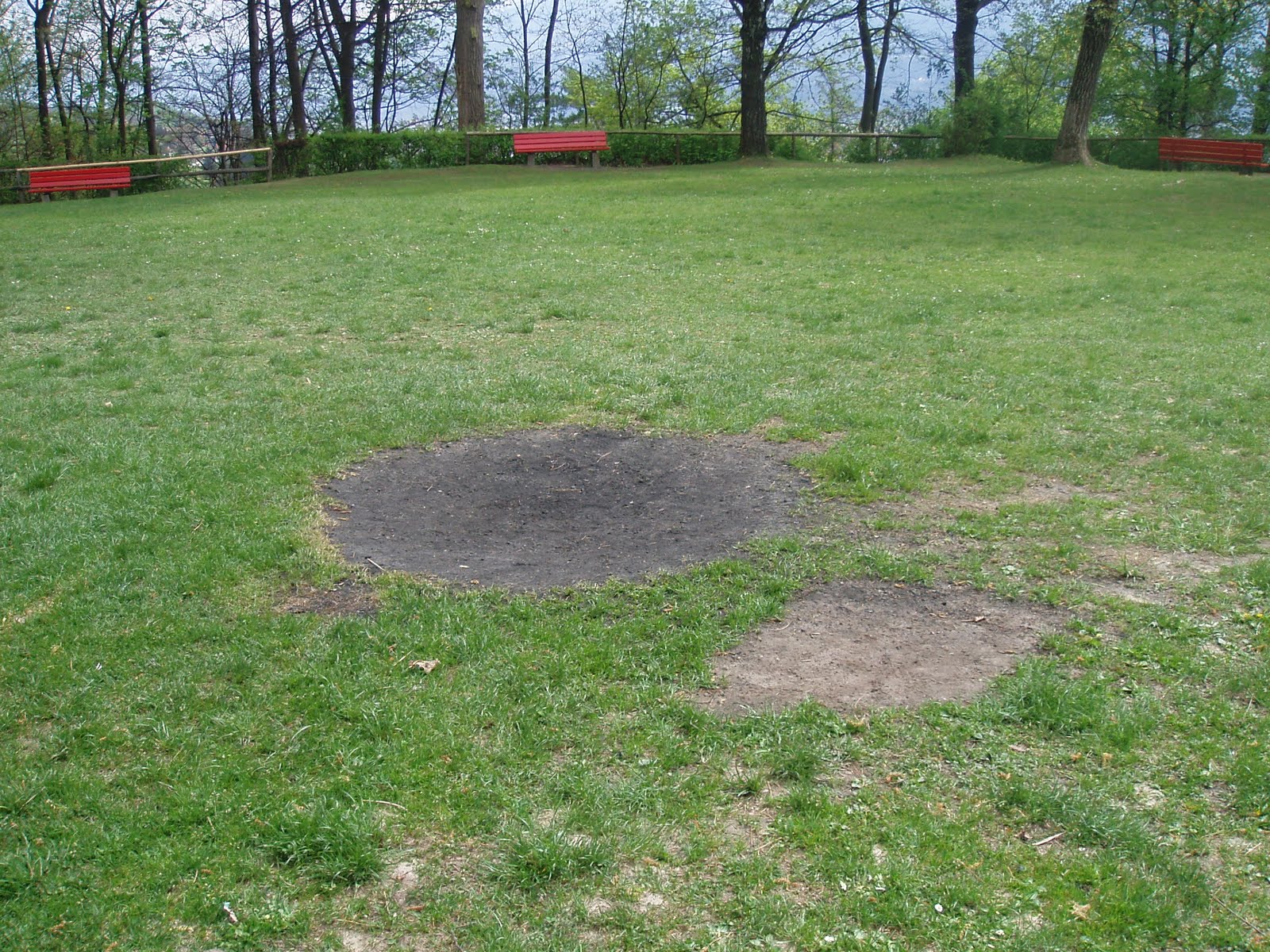
 Smack in the middle, traces of a regular campfire. Who makes these fires? Just squatters? An uneasy thought — I don’t know any local Pagans whom I can ask ( if maybe the fires are ceremonial), but there are elements of the neo-nazi scene which goes in for the Pagan, the mythological, the old ur-Germanic. The idea that they might be “keeping the fires lit” on these ancient meeting grounds does give one pause. Then again, what do I know, it might be the Scouts.
*I don’t know what the “Ruch” is.

** Why? Mantl does this all the time, assumes that because it was used, it was a holy place.

>Forgotten Innsbruck: Osterfeld

>Last week the City Museum hosted a talk on a rather obscure but interesting little corner of Innsbruck, specifically a field at the edge of town called Osterfeld, in Amras. This little piece of land was farmland for a long time, and for the past few decades it’s held community garden plots. But for a couple of years it was the resting place (not so final, it turned out) for the hundreds of victims of the Allied bombing raids on Innsbruck. Plans were underway to make the Osterfeld into a new, central cemetery in Tirol, not only for the air strike victims but for the newcomers from South Tirol, who had no family plots up here. According to an article in ORF, the landowner initially refused to give over his property, so the authorities simply had him reconscripted into the war. He survived, and returned after the war’s end to demand that the bodies be exhumed from his land. They were then transferred into a memorial plot in the cemetery in Pradl.

What seems like something that everyone would remember, ended up being another part of the general amnesia concerning events from that time. Eventually the community garden plots were parceled out, and all was forgotten until 1979, when a woman came upon two small cross pendants in the earth. And then a piece of bone, which upon further inspection was determined to be human. Which means that not everyone made it in one piece into the new cemetery.

I asked Paschberg, an Amras resident, for his take on this story, and he in turn asked his mother if she could remember the field’s use as a wartime cemetery. She remembered a convoy of trucks bearing coffins as it passed her family home, and this must have been even more keenly remembered due to the fact that one of her cousins, a young woman barely 18, lay in one of the coffins. (15.04.11. This I misread; her cousin was indeed killed in that air raid but was buried later in the regular Amras cemetery, not in Osterfeld and so would not have been among the dead transported there.)
She also noted that one did not ask questions at the time, nor speak too pointedly about anything with the neighbors, lest it all be turned around somehow and used against you. It must have been somewhat frustrating for my informant, quite the train enthusiast, to find that another victim of that collective amnesia had been a railway by-pass, not 100 meters from the family home, built to circumvent the (bombed out) train station, and promptly and completely forgotten after the war. As he tells it, describing what the older generation remembered of the line, “[i]t just appeared. One didn’t ask questions, nor did one make trouble to find out when – or even if – trains ran, and afterward it was just another thing to forget as quickly as possible. All in all, a time of deliberate looking away.”