>Spuren der DDR: Denkmale

>Freiberg is a pleasant small town in the state of Sachsen (Saxony), not far from Dresden. It has an old medieval wall and a pretty Altstadt, and a renowned Mining Academy. The locally made Nutcrackers, Christmas pyramids and other wooden figures are popular all over the world.
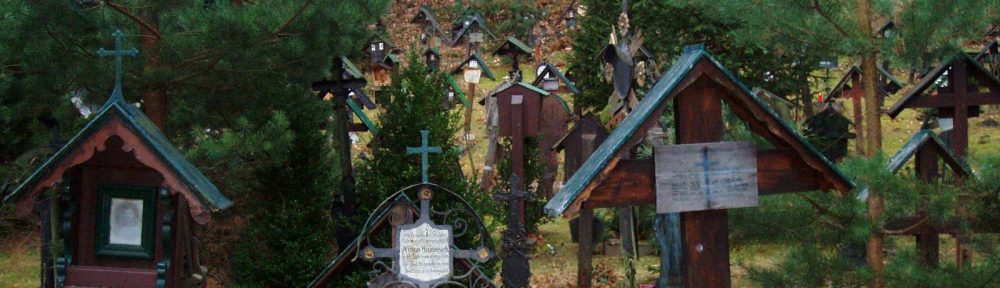
And, being within the former Deutsche Demokratische Republik, it has scars from both the Second World War and the Cold War, although they’re not immediately obvious. During a walk around the outskirts of town on Christmas Day , we stumbled upon a few of them.
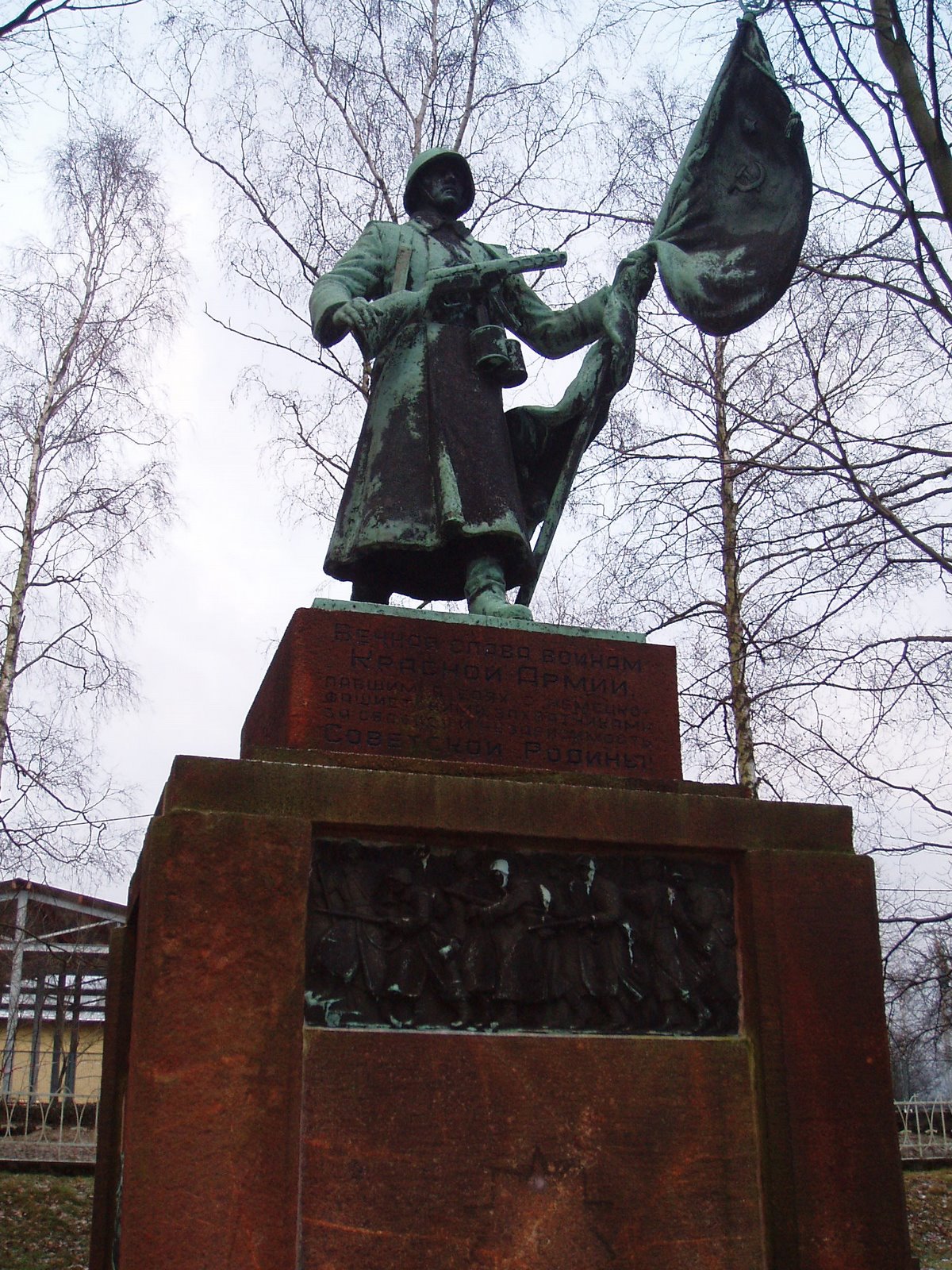
The monument above is in the center of the Russian Cemetery, the resting place of Soviet soldiers who fell in battle.
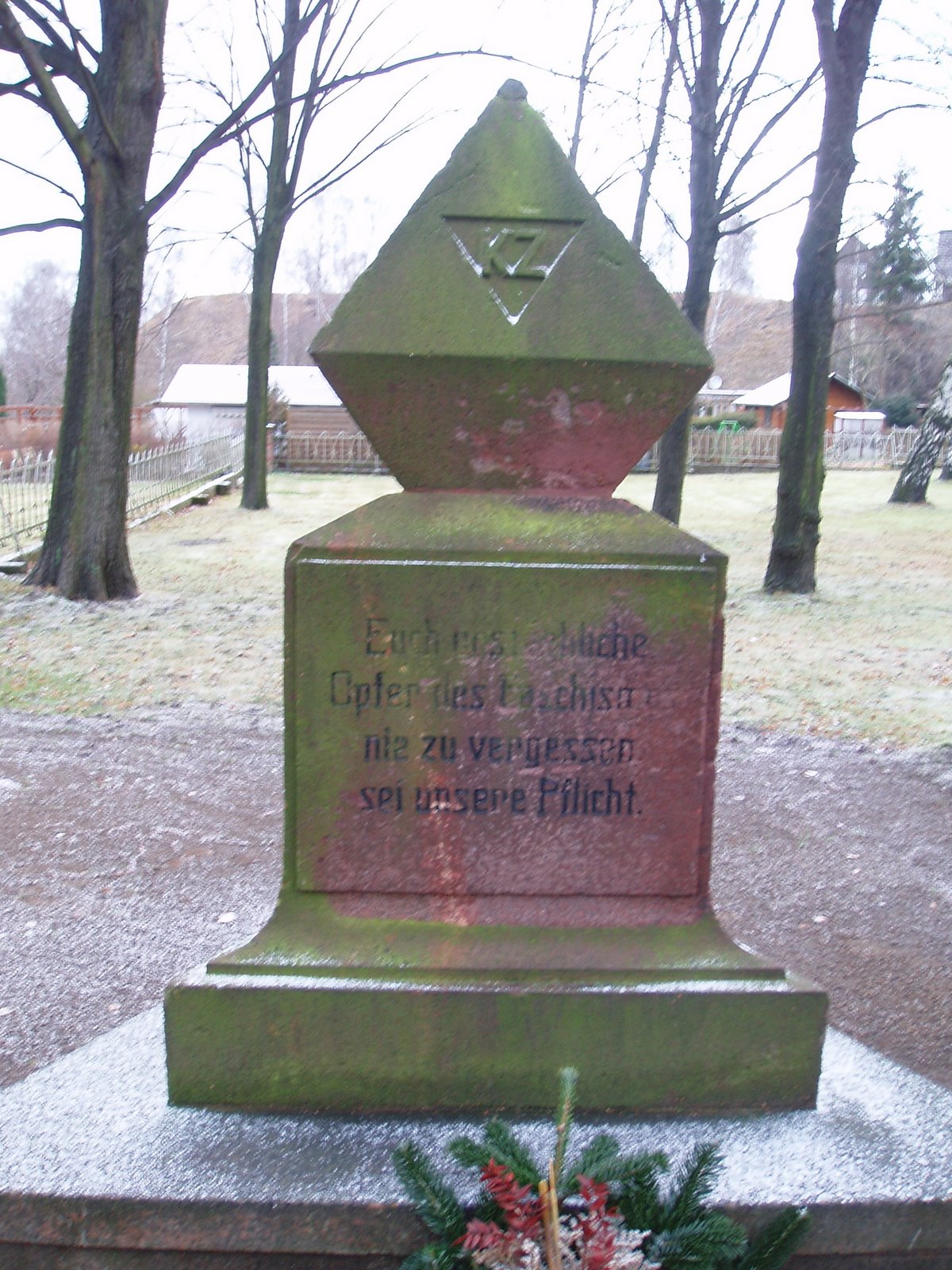
Not far from it we found a smaller monument in memory of concentration camp victims. The letters KZ in a triangle at the top is the short form for Konzentrationslager. The text reads, Euch unsterbliche Opfer des Faschismus nie zu vergessen sei unsere Pflicht (It is our duty never to forget you, the immortal victims of fascism.)
We Americans tend to think of German concentration camps being exclusively for Jews, and of course they were the special targets of the Nazis. However, and especially in the early years of the Third Reich, just about anyone who didn’t fit into Hitler’s plans — communists, homosexuals, protesting clergy, pacifists, gypsies, criminals, outsiders — was threatened with incarceration and eventual execution. East Germany’s post-war government put special emphasis on the oppression of communists, obviously to keep their Soviet overlords happy, and also to help along the myth that there were no Nazis in the GDR.
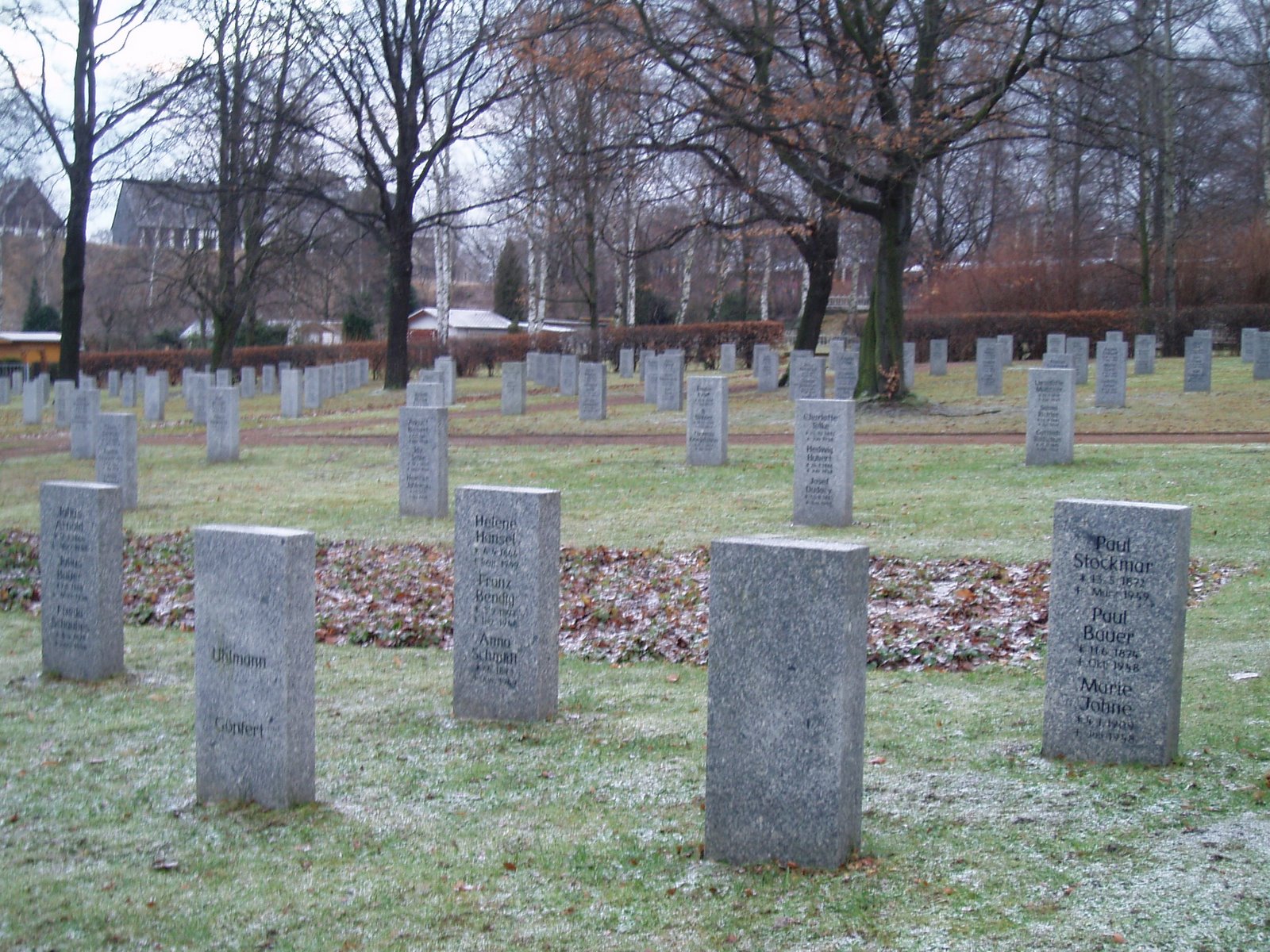
One block further down the hill we came to another kind of memorial — for the ethnic Germans, forced out of their homes in the east after the war, who died in the refugee camps at Freiberg. This was the final stop for 1,375 men, women and children from East Prussia, Pomerania, Silesia and Sudetenland, and they died of the usual refugee-related causes: injuries, hunger, cold, exhaustion.
Again, I realize that the near-automatic response to this is often “They had it coming.” It is important to remember, however, that these Germans had been settled in those far-off regions for hundreds of years, and many of them had no more political connection to the Fatherland than did the Pennsylvania Dutch . They ended up being just another group of people to suffer from Hitler’s follies, if indirectly, but just as fatally.

I’ve been reading Anna Segher’s “Transit”, a novel set in Marseilles in 1940 and populated with all sorts of people fleeing the Nazi regime. Pushed to the coasts in front of the advancing German troops, they stand in all sorts of consular lines waiting for their visas — entry visas, exit visas, transit visas necessary for passing through one or more countries on route to another, places on board departing ships. One would wait for that last piece of paper with the official stamp from the proper authorities, only to get it after another had passed its expiration date.

Much of the book must have been taken from her own experiences and those of countless friends, as she fled Germany herself in 1933, first to France and then to Mexico. Much of what happened in her best-selling novel “The Seventh Cross” (later made into a film starring Spencer Tracey) came from information from camp escapees, as well pure speculation as to what was going on inside the Reich. Although she clearly didn’t know about the extent of the Holocaust while she was writing, she conveys quite well the minute-to-minute anxiety of being on the run in a paranoid, fearful country.

A dedicated enthusiast to the cause of a “better Germany”, Seghers moved to the East after the war and, like Brecht, was held up as an example of the literature of communist East Germany. “The Seventh Cross” was required reading in the schools. Naturally, I had never even heard of her.
>Reschensee (Lago di Resia): II

>
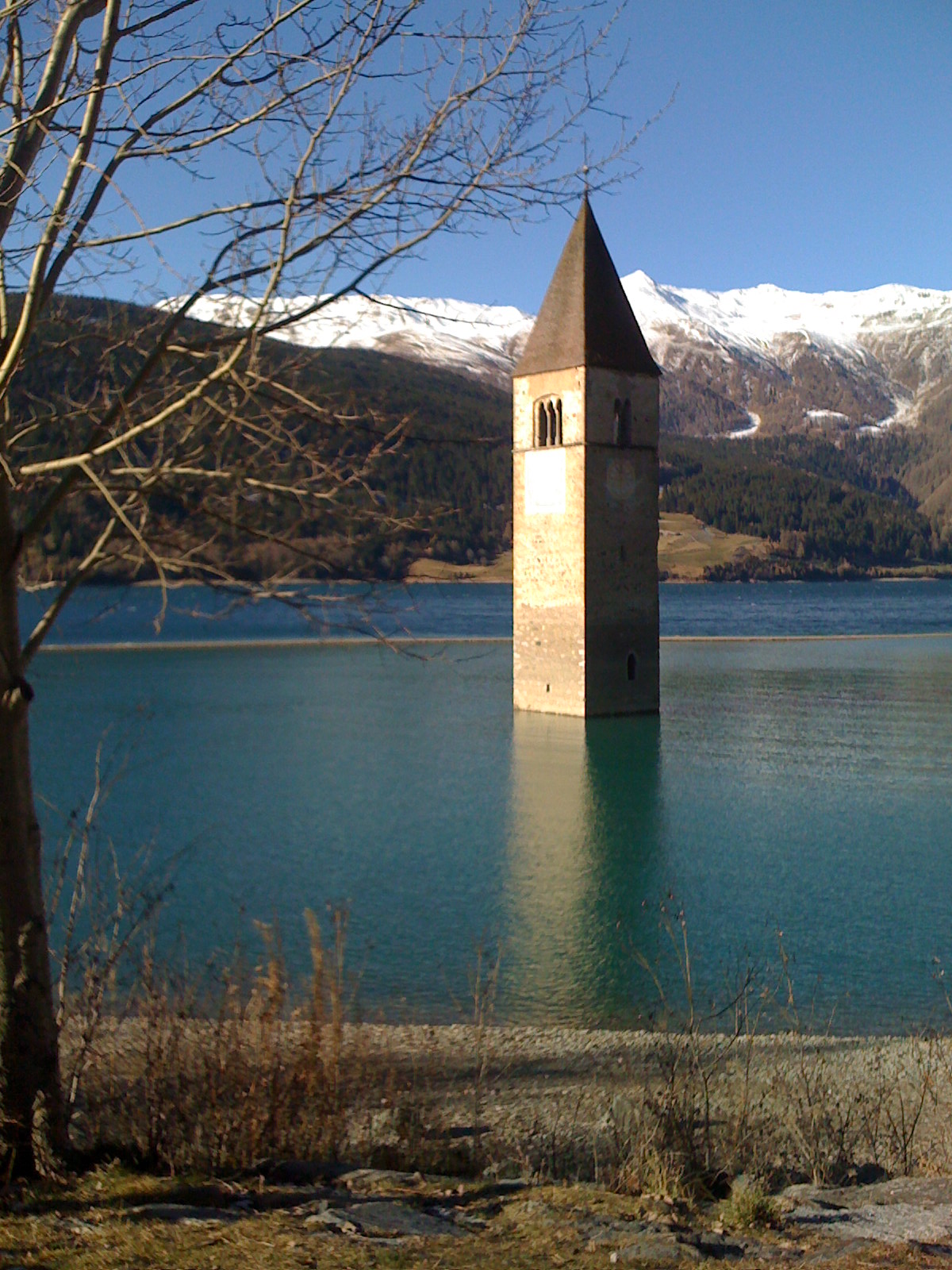
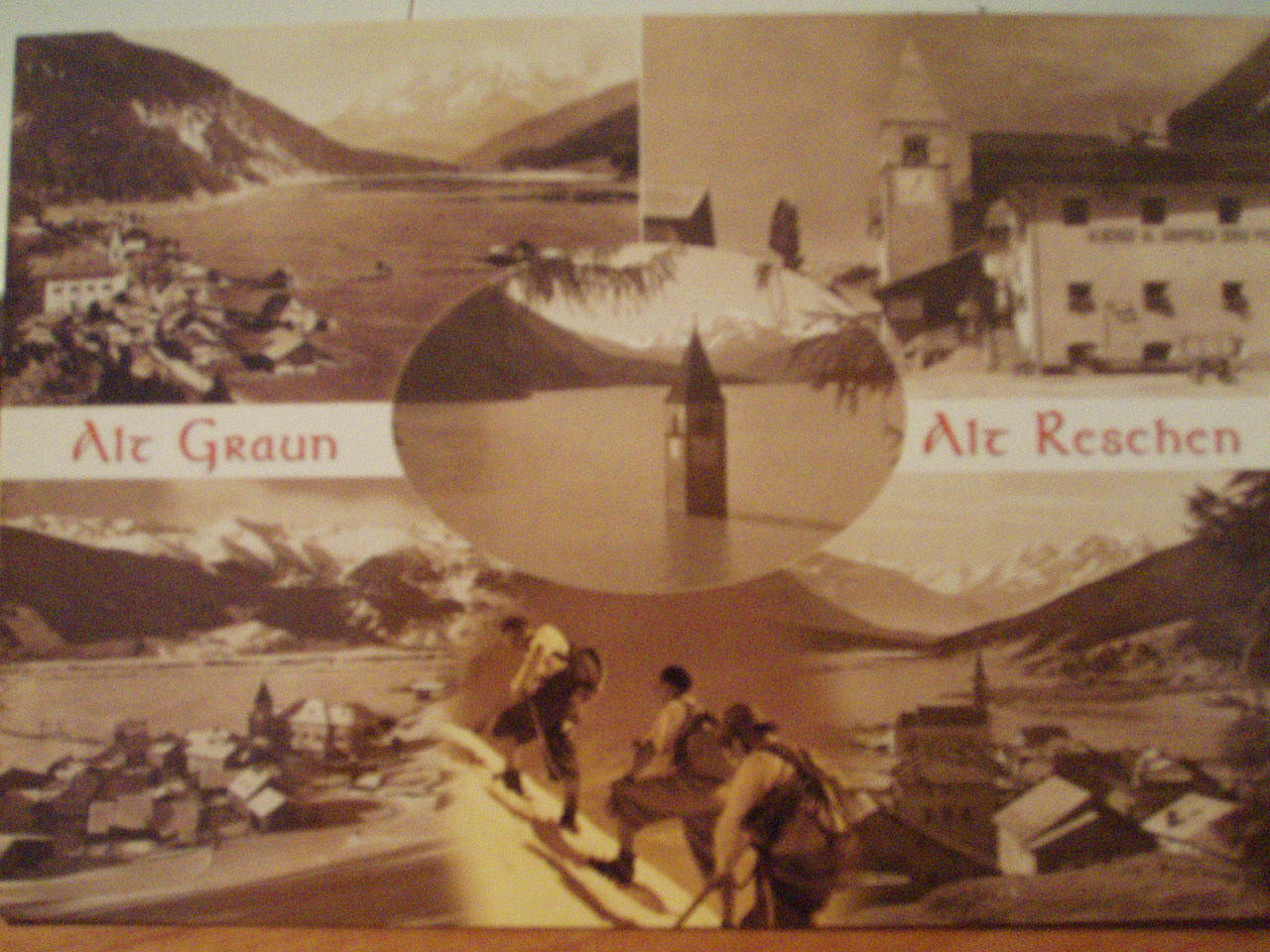
I was looking — unsuccessfully — for an image of the actual village on the internet for the post below. Today I found (buried among other papers, of course) a postcard that we picked up when we had visited the area, which shows photographs of Graun before the dam was built. The 14th-century bell tower is easily recognizable in the top right and bottom left photos (also in the top left photo but I was unable to get a clear image from photographing a postcard.)

Things like this — ghost towns, abandoned railroads, sunken villages — fascinate us, don’t they? I find myself particularly fascinated by what one finds under the water’s surface. The rivers and lakes of Europe have claimed millennia of artifacts, from pre-historic jewelry to medieval swords, and on through to Third Reich memorabilia. This online article (update: sorry, link now dead)  about diving for artifacts in the Salzkammergut region gives one a good idea of what’s down there.

Update: Divers have left reports online that one may dive (with permission from the municipality) but that there is nothing to see below the surface — the tower stands in about 2 meters of mud, and so the old streets, etc., are completely covered.

>Reschensee (Lago di Resia)

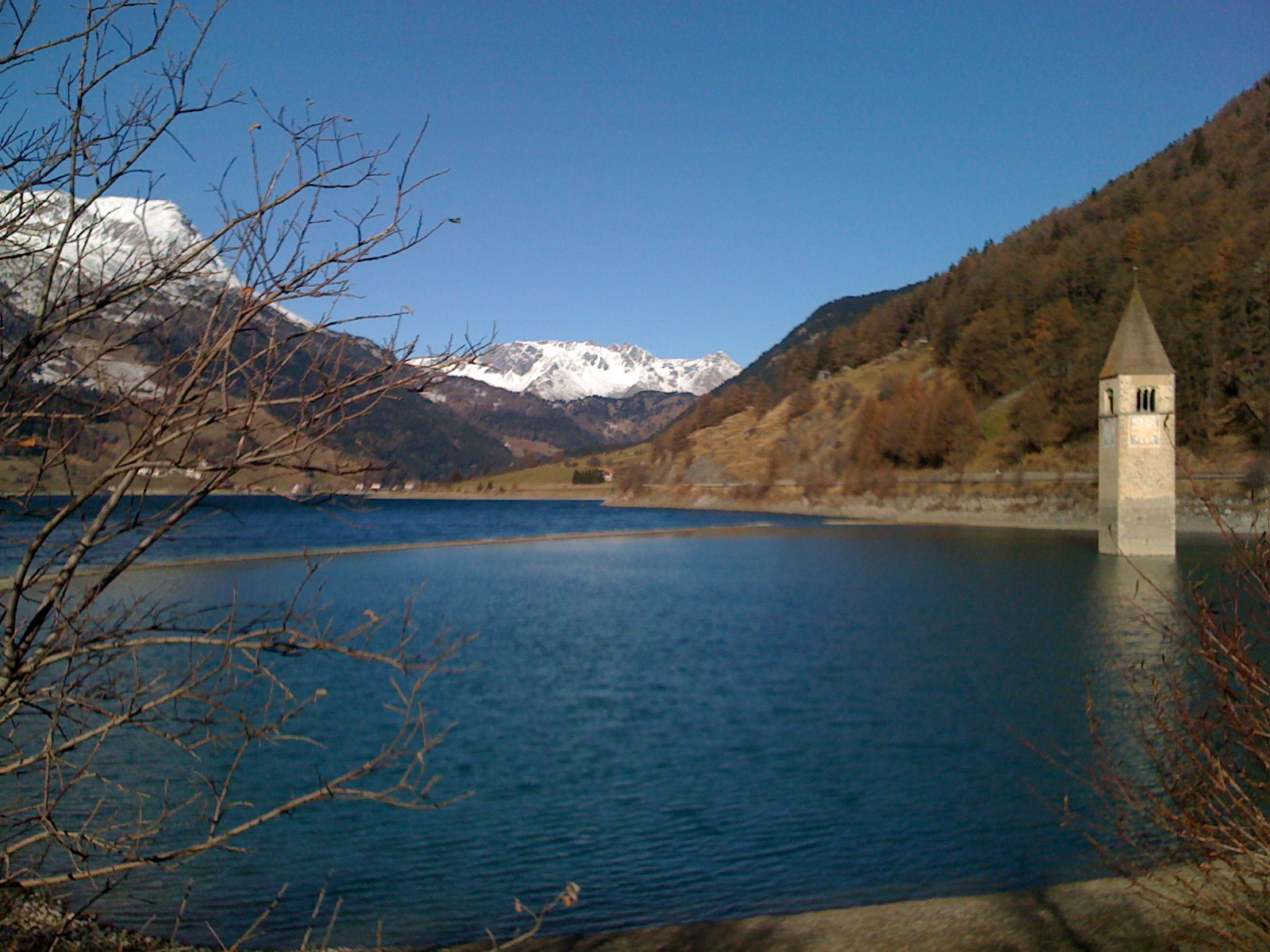
>The Reschensee is an artificial lake on the Italian side of Tirol, or South Tirol. When the dam was finished in 1950, the waters rose over several evacuated villages, including Graun (in Italian, Curon), where 163 houses were destroyed. The 14th-century bell tower was left standing , having been designated an historical monument, and if you drive along the coast, that is all that you will see of the village that was once there.
I first learned of this bell tower from a photograph in a cycling guidebook, and so, several years later, when the beau and I were looking for some day-trip destinations, I said that I had always wanted to see it myself.

Update: Divers have left reports online that one may dive (with permission from the municipality) but that there is nothing to see below the surface — the tower stands in about 2 meters of mud, and so the old streets, etc., are completely covered.

>Krampuslauf

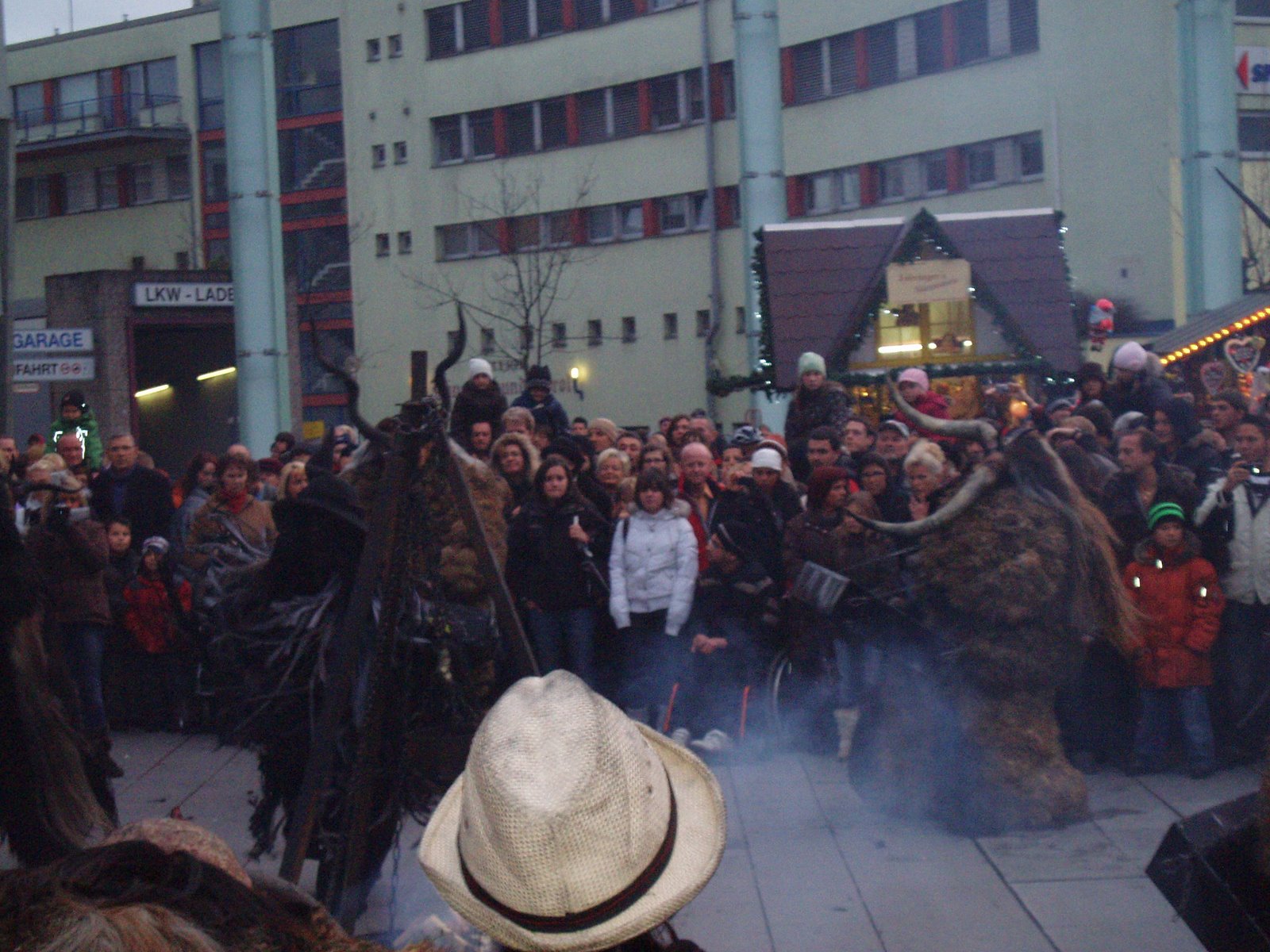
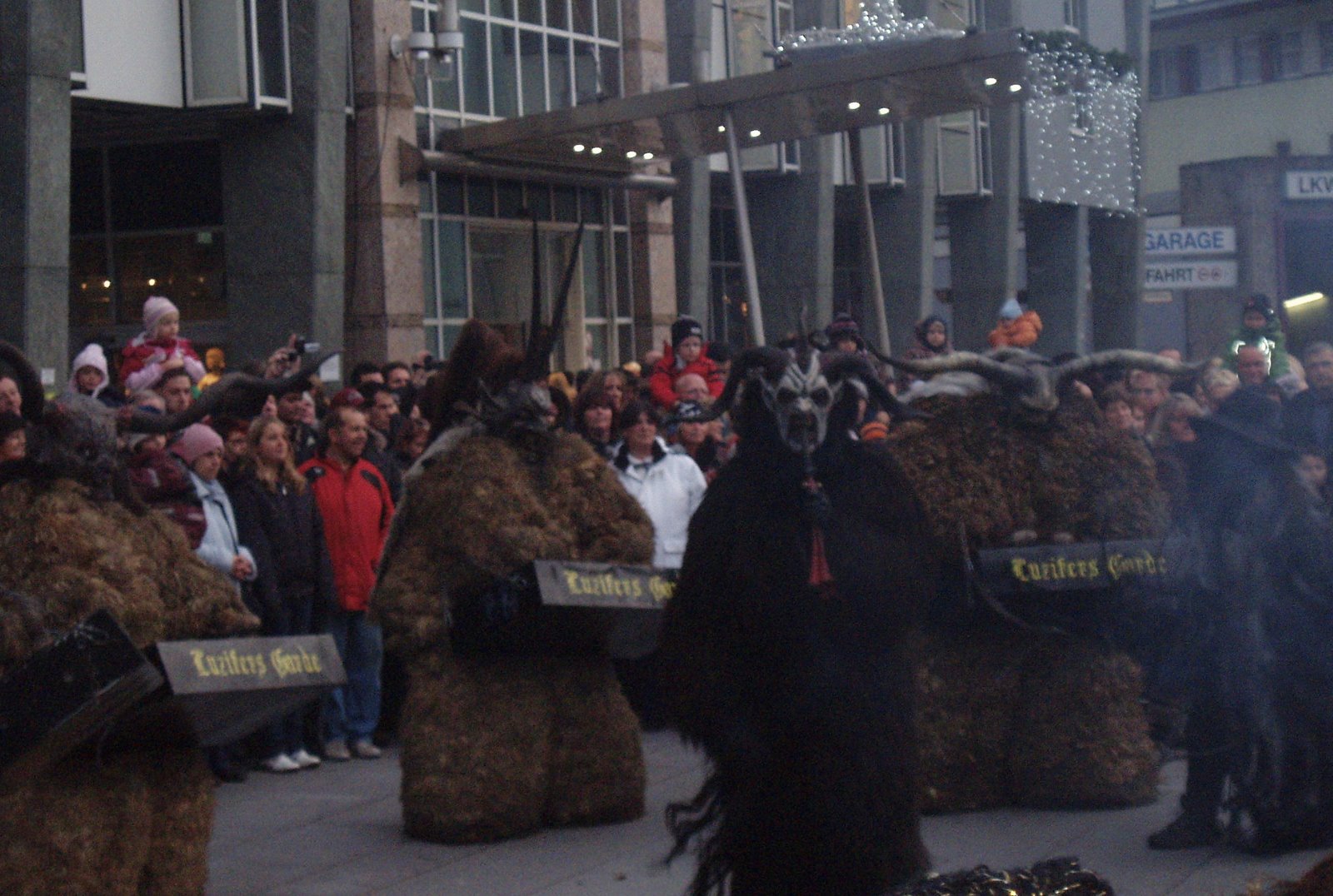
>The 6th of December is St. Nicholas’ Day, and that means Krampus is out and about. The Krampus is actually a devil who accompanies the good saint on his rounds — good children get a nice present from Nicholas, and naughty children just might get a switching from the devil (which is the Alpine equivalent of a lump of coal in your stocking, and probably occurs just as often, meaning never.) On the evening of the 5th, some regions have a Krampuslauf, a sort of “running of the devils”, where at least a dozen of them show up with their giant cowbells, drums and smoke, and do a sort of pagan dance for the kids.
It is traditional that the Krampus figure wear some sort of animal pelts or straw, and carved wooden masks with real animal horns. Many of these masks have been passed down through generations, although these days one occasionally sees rubber store-bought masks, especially on the teenage devils who roam the streets looking for juvenile victims and pretty girls to bother. Although, in those suits with those oversized cowbells on their butts, it’s impossible to sneak up on anyone.

>Weekend Mountain Blogging: Frau Hitt

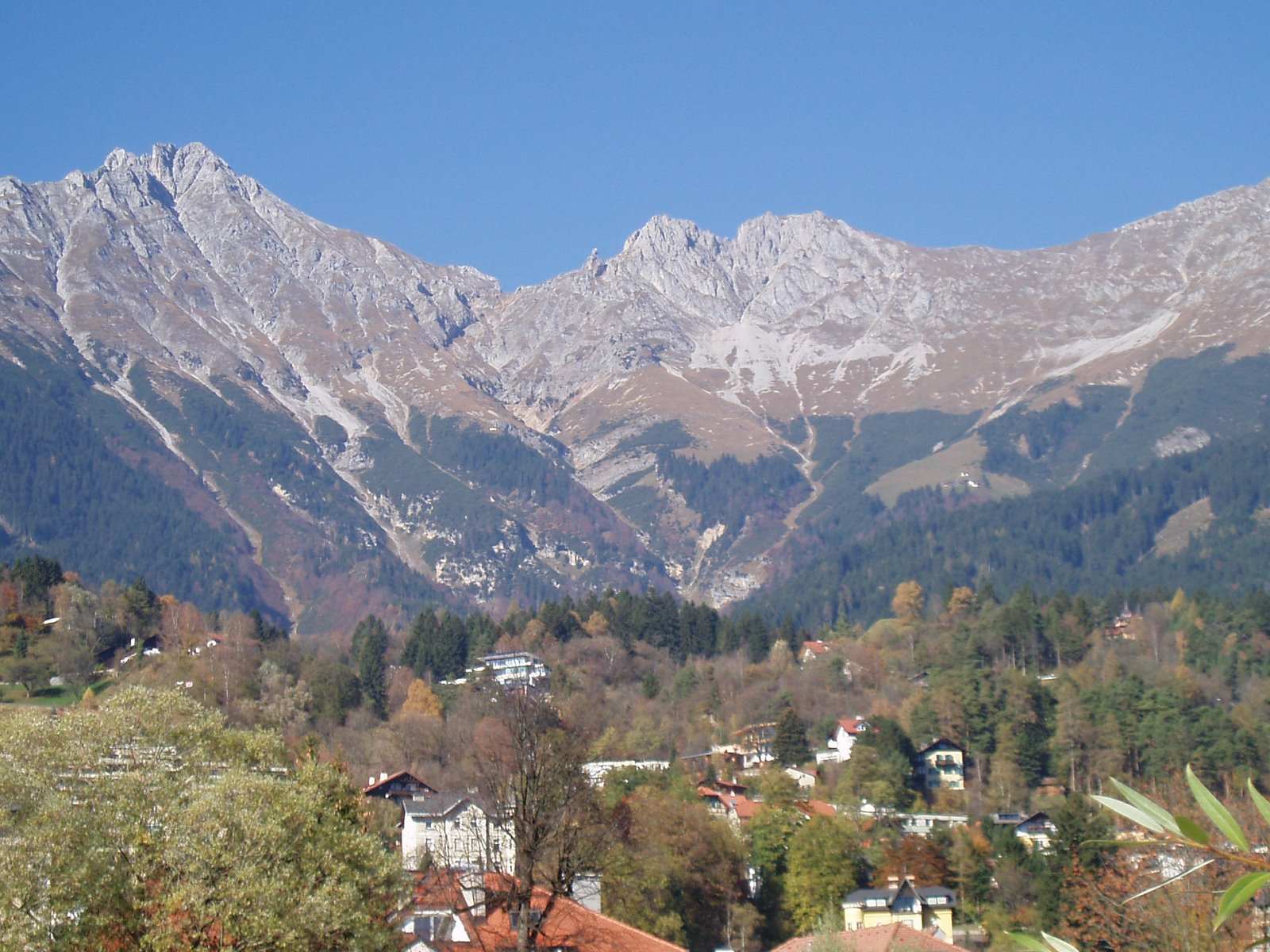
>That jagged tooth-like rock jutting out of the middle of the North Ridge is known locally as Frau Hitt, the subject of an old tale. Frau Hitt was a giantess who, not being the generous sort, gave a beggar-woman only a stone to eat. The beggar turned out to be a witch, and promptly turned Frau Hitt and the horse she rode on into stone, and her farmlands into barren, rocky peaks.
She’s a favorite destination of mountain climbers looking for an afternoon climb.

>Did I Ever Tell You About The Time I Jumped Out Of A Cake?

>

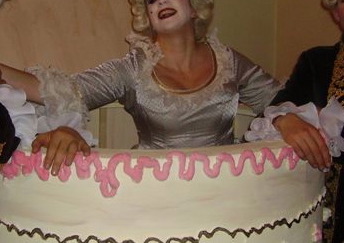
I had just sung closing night of “Le nozze di Figaro” (playing who else?), on Mozart’s 250th birthday. There was a special party in the theater’s foyer after the performance, with actors, singers and dancers taking part. My special assignment was to be rolled out into the center of the room in a special wooden cake-shaped box, jump out of the top and sing “Happy Birthday, Mister Mozart”, à la Marilyn Monroe. Which I did, before I was wheeled back into a corner and the real cake (a humongous chocolate-marzipan thing decorated to resemble a giant Mozartkugel) was brought out and cut.

That evening, I joked at the time, was both the high and low points of my career, one right after the other! But sometimes you just have to say “What the hell, sure” and do whatever will entertain.

>SOWI’s “Iron Cage”

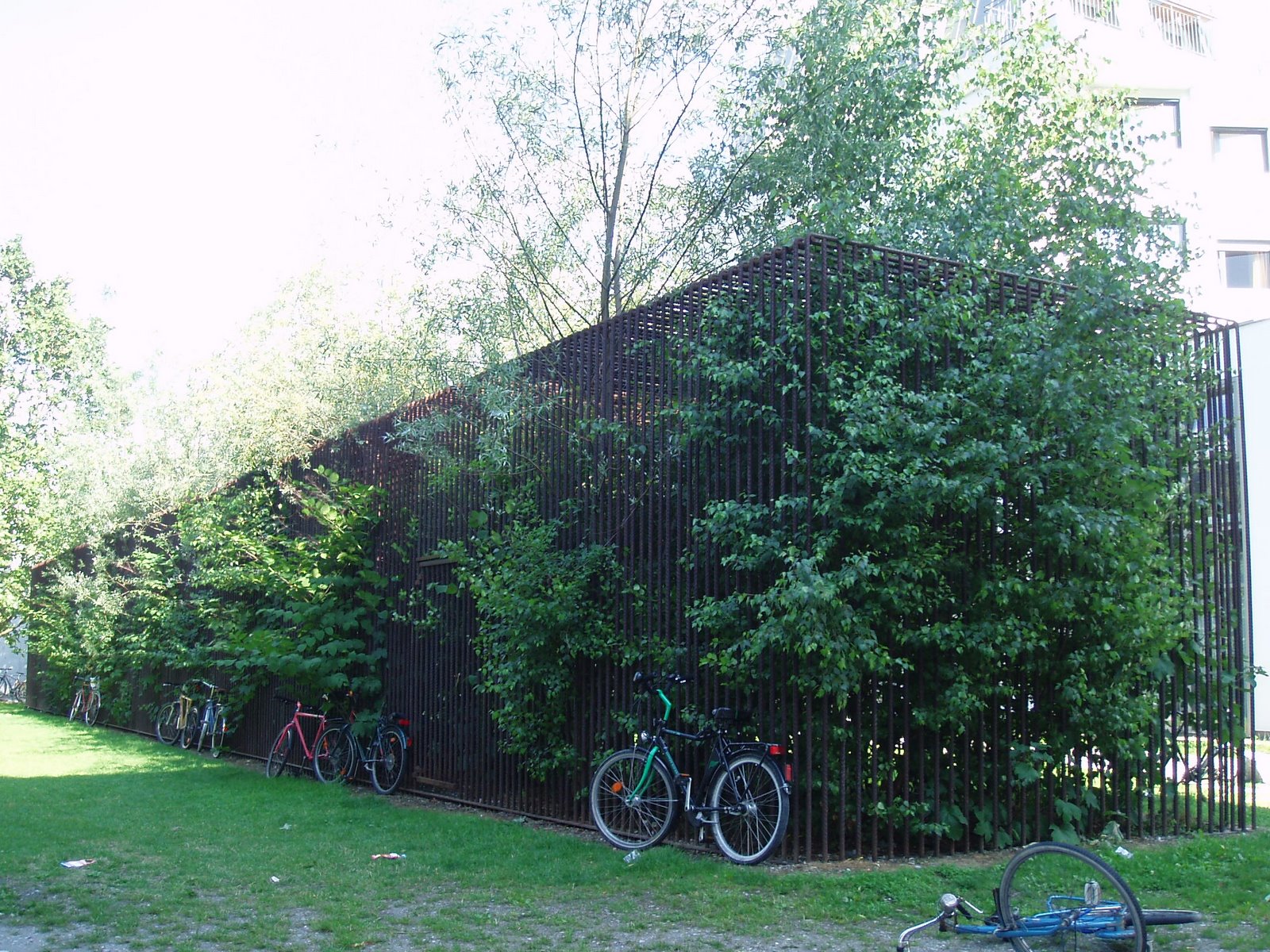
>Behind my workplace is a complex of buildings referred to as SOWI (“so-vee”), a contraction for the University of Social Sciences. On one of its lawns stands a large, apartment-sized iron cage, containing a small, dense forest and doing double-duty as a bicycle stand, and bearing the unglamourous name “Garden for the New SOWI Building.”

As usual in Austria, in public buildings a certain amount of public money is spent on Kunst am Bau (art on public buildings). Selected artists are invited to present and incorporate their work into the context of the building…. The work is an impressive iron cuboid: 37m in length, 4m breadth, 3.7m high, made of steel (33mm) and a weight of 22 tons.
(Richard Weiskopf, Institute of Organization and Learning, University of Innsbruck.)

This “iron cuboid” was described by its artist in an interview as a “sign for deliberate renunciation of Gelassenheit (serenity) and non-intervention”:
“Within the boundaries I let things just occur: the planting, the becoming, the perishing, the permeability for the wind, the birds, the water.. . everyday rubbish does not have to be removed immediately.. .because out of the beautiful, pure, true, clean nothing emerges anyway…”

Events were organized which attempted to transform the “iron cage” into a “house of fantasy and desire” (some guy was actually living in it for a short while) the media commented on the event, others used the work as an occasion to protest against the “waste of public money” and the “death of social policy”, etc. (Which always happens when controversial art appears at taxpayers’ expense.)
At one point, some protesters took their cue from the artist’s own words and began stuffing trash into the cage, leading to fears of the thing attracting rats, leading to a clean-up effort. Nine years later, there are trees growing out of it, as you can see from the photo. To me it’s a reminder of what happens when man ceases to “manage” the land around him. Forest appears. Which is interesting since it’s across the way from the “Management Center Innsbruck”.

>Münchner Synagoge

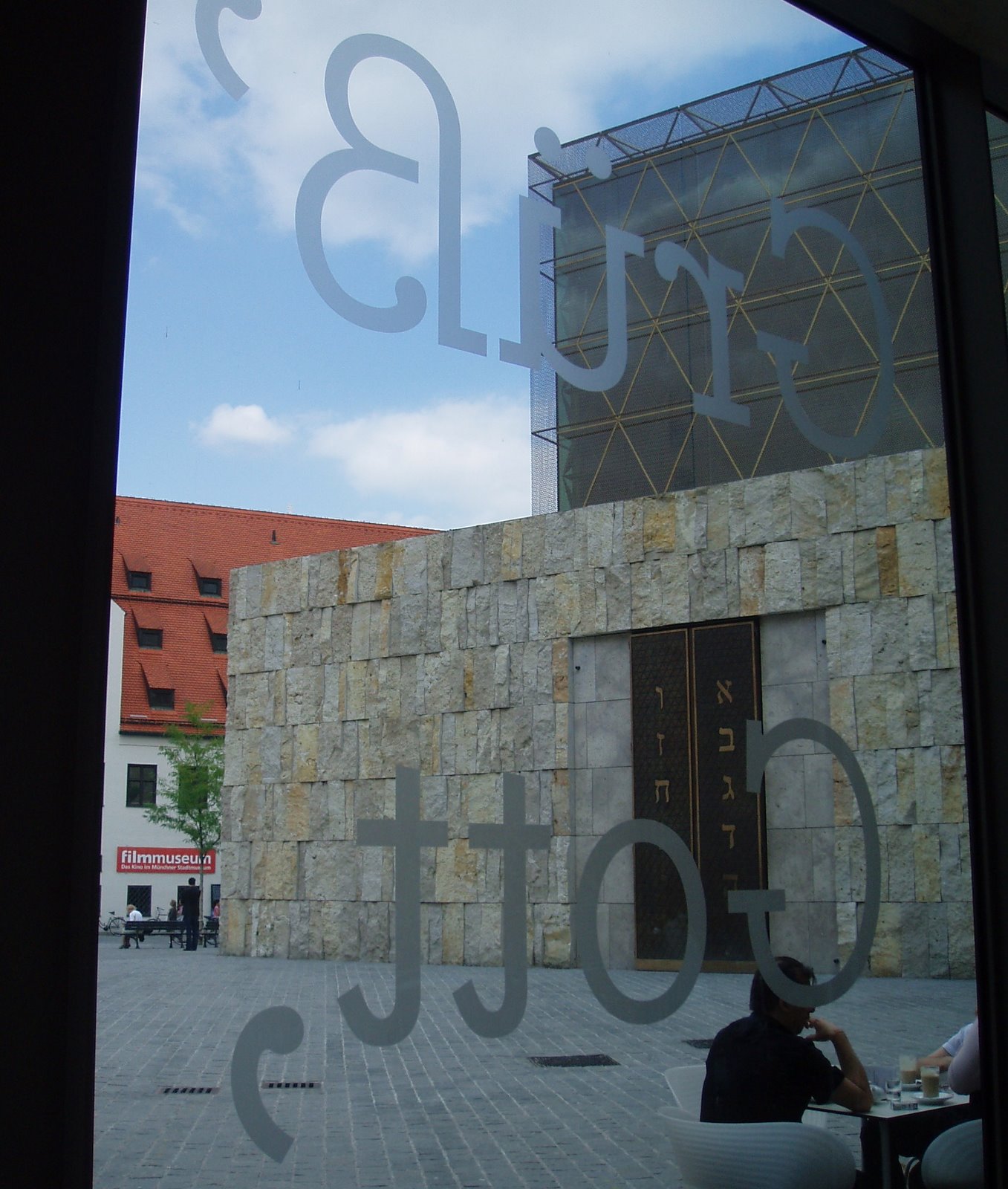
>We were in the area of the new (2006) Munich Synagogue recently, on Jakobsplatz. There are three separate buildings, actually — the temple (the massive block seen below), the Jewish Museum (opened in 2007) and the Community Center. We did not go into the museum, having just emerged from one (I can only soak in so much cultural information in one afternoon) but we noted that its glass walls are covered in written conversations between Jews and non-Jews and their feelings toward each other, and about what happened right here in Munich. Most of it is in English, and it’s very interesting to read.

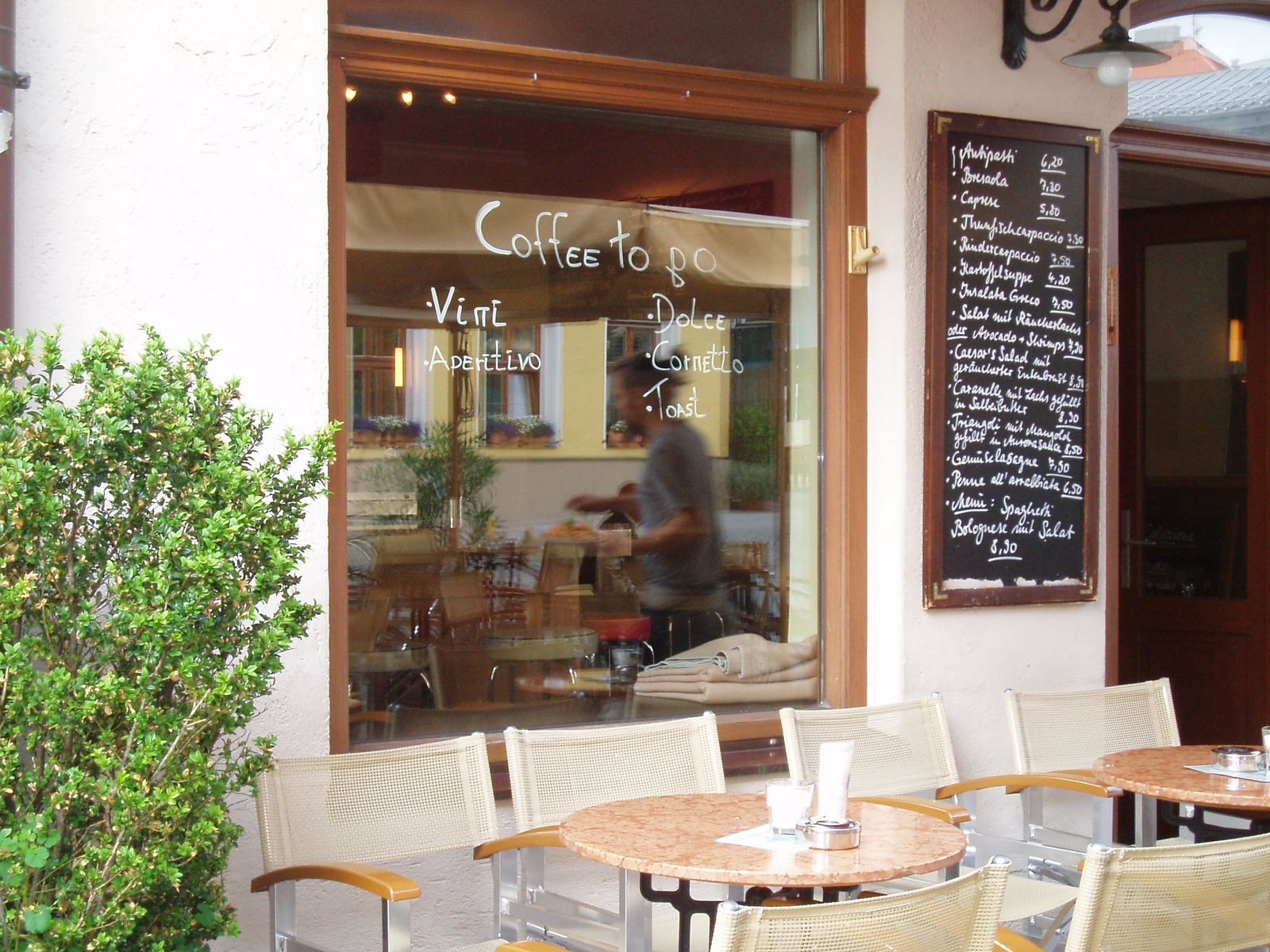
Lunch nearby; sometimes one finds English in unexpected places.

>Bernried

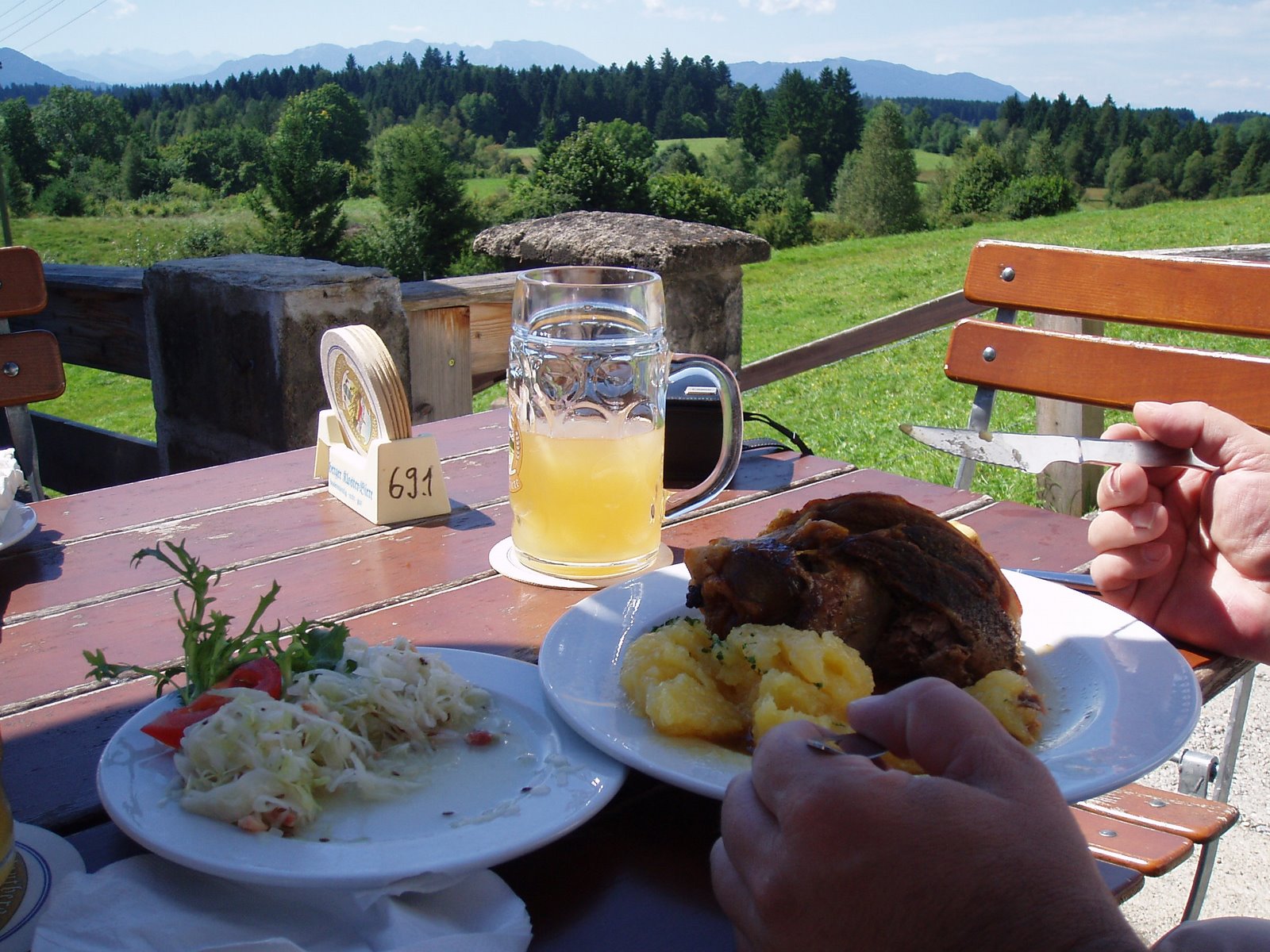
>Last week we took a little excursion through the Bavarian lake region. First stop was lunch, in the Biergarten of a very nice cloister, where the specialty is Schweinhaxe (pork knuckle) and Knödel. We had a great view of the countryside.

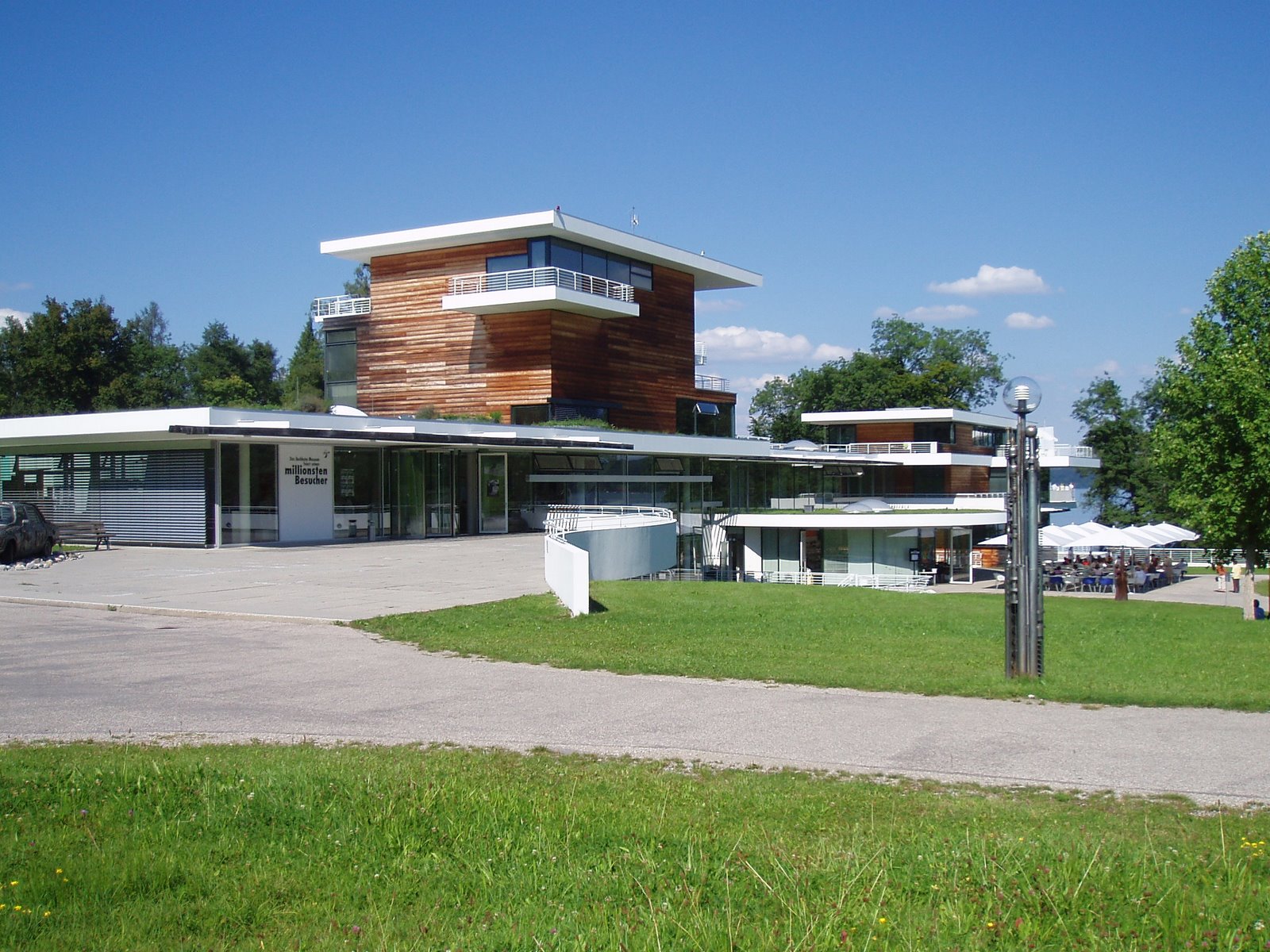
Next stop was Bernried, a village on Lake Starnberg and home to the museum housing the art collection of Lothar-Günter Buchheim, whom Americans may recognize as the author of “Das Boot.” Apparently he was a colorful figure, and quite the collector of German expressionist paintings, primitive folk art, and carousel horses, among other things.


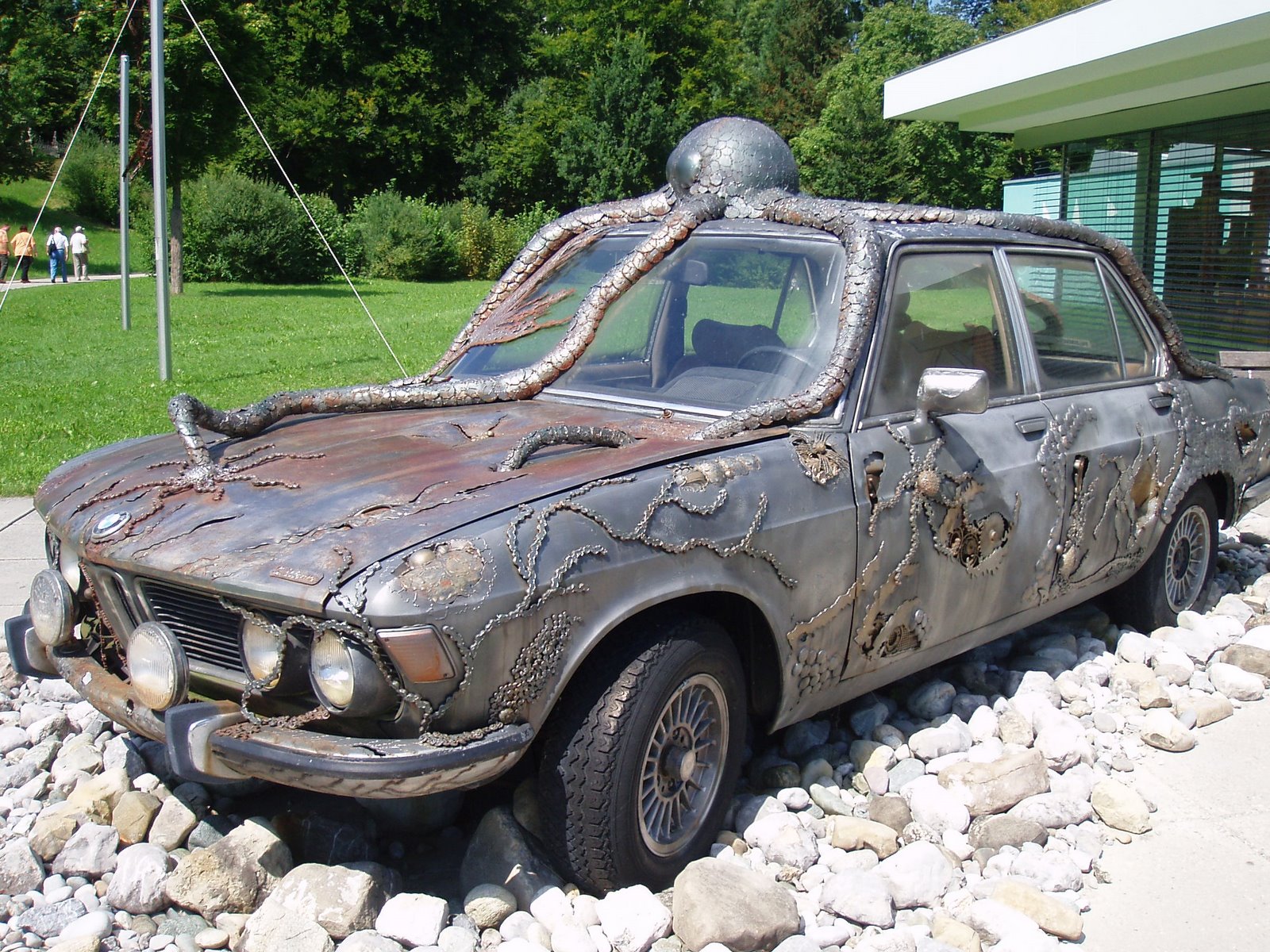
This artwork was parked in front of the museum. The seaweed draped over it is made from bicycle chains. The creature on the roof has already got his tentacles into some of the windows.The artist is local.

>Lola-gate

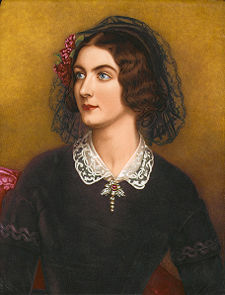
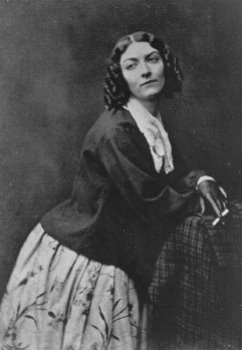
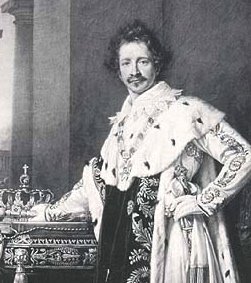
>I was at the Munich City Museum last week, and came across large portraits of King Ludwig I of Bavaria, and of Eliza Gilbert, better known to the world as the “Spanish dancer” Lola Montez. A mistress of Ludwig’s who led to his eventual abdication, I first thought of her as a sort of 19th-century Monica Lewinsky, but she was a bit more — imagine Clinton having an affair with, say, Madonna.
Born in Ireland, raised in India, schooled in England, Ms. Gilbert was not known for being a well-behaved little girl. After a short-lived marriage to an Englishman (which went under in Calcutta,) she wafted around bohemian Paris for a while, and had an affair with Franz Liszt. After the death of another lover she moved to Munich and hit it off with King Ludwig, who made her “Countess of Landsfeld” as a birthday present to himself. Her presence in his life fed the mounting opposition to his rule, and in 1848 he stepped down in order to stave off a revolution.
Lola fled Bavaria for Switzerland, hoping Ludwig would follow her. When he didn’t, she went to London, re-married (scandalously, as it violated the terms of her divorce, and they had to leave England), and eventually split again for the USA. After more adventures in California and Australia, in ill health, she lived out her last days in New York, and died at the age of 42. She’s buried in the Green-Wood Cemetery in Brooklyn.