>Prussian

>Do you know that the name Prussia goes much further back than the northern German kingdom with which we mostly associate the name? Prussia was a group of tribes in the Baltics, and the Prussian language (now dead) was related to Lithuanian. After sweeps and conversion attempts by sundry dukes and bishops from further south, then the Northern Crusades (the Teutonic Knights, who worked for the Holy Roman Empire), the Germans finally moved in for good and took over, and the Old Prussian language died out by around the 17th or 18th century.

As someone I knew once put it, referring to Germans from the area as “Prussians” (which they themselves sometimes do) is like speaking of “Manhattanites” ; yes, certainly correct, but with a forgotten back-story of the people who used to go by that name, long ago.

I mention this because I was reading up on the Amber Road on Wikipedia, and saw that someone was angry about using the term Prussia to refer to the Baltic end of the route. Because to that writer, Prussia only meant German military might and all that. And yet, the writer could have easily looked up the name and learned something.

>An Outing To Inning

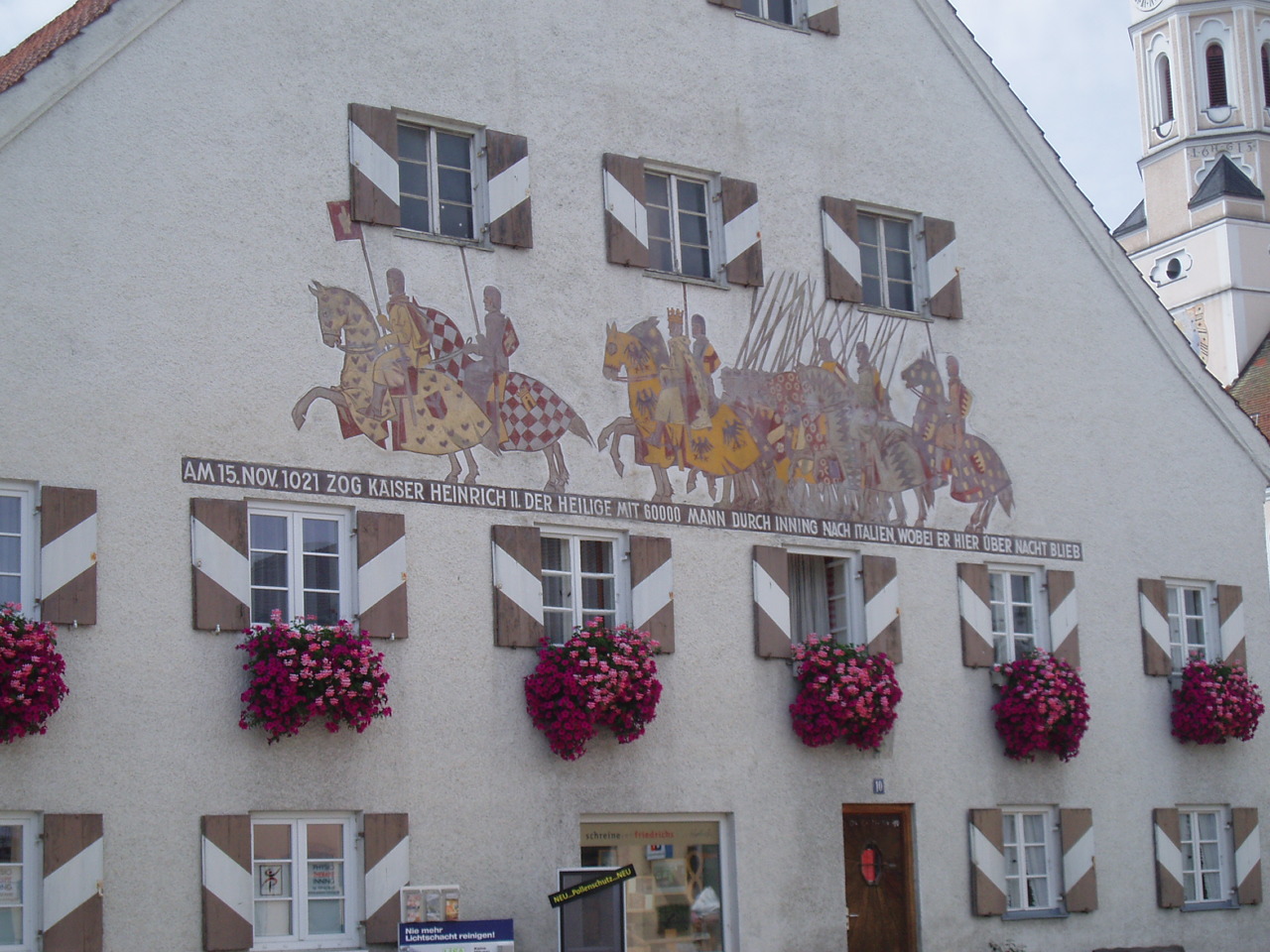
>A day trip to Inning am Ammersee. Which is very pretty indeed. Above, Inning’s historical claim to fame, I guess. “On November 15th, 1021, Emperor Henry II passed through Inning with 60,000 men, on the way to Italy, and he spent the night here.” Take that, George Washington.
Inning’s other claim to fame, if can be seen as that, is that TV personality Thomas Gottshalk used to live here. His brother still does, we were told.
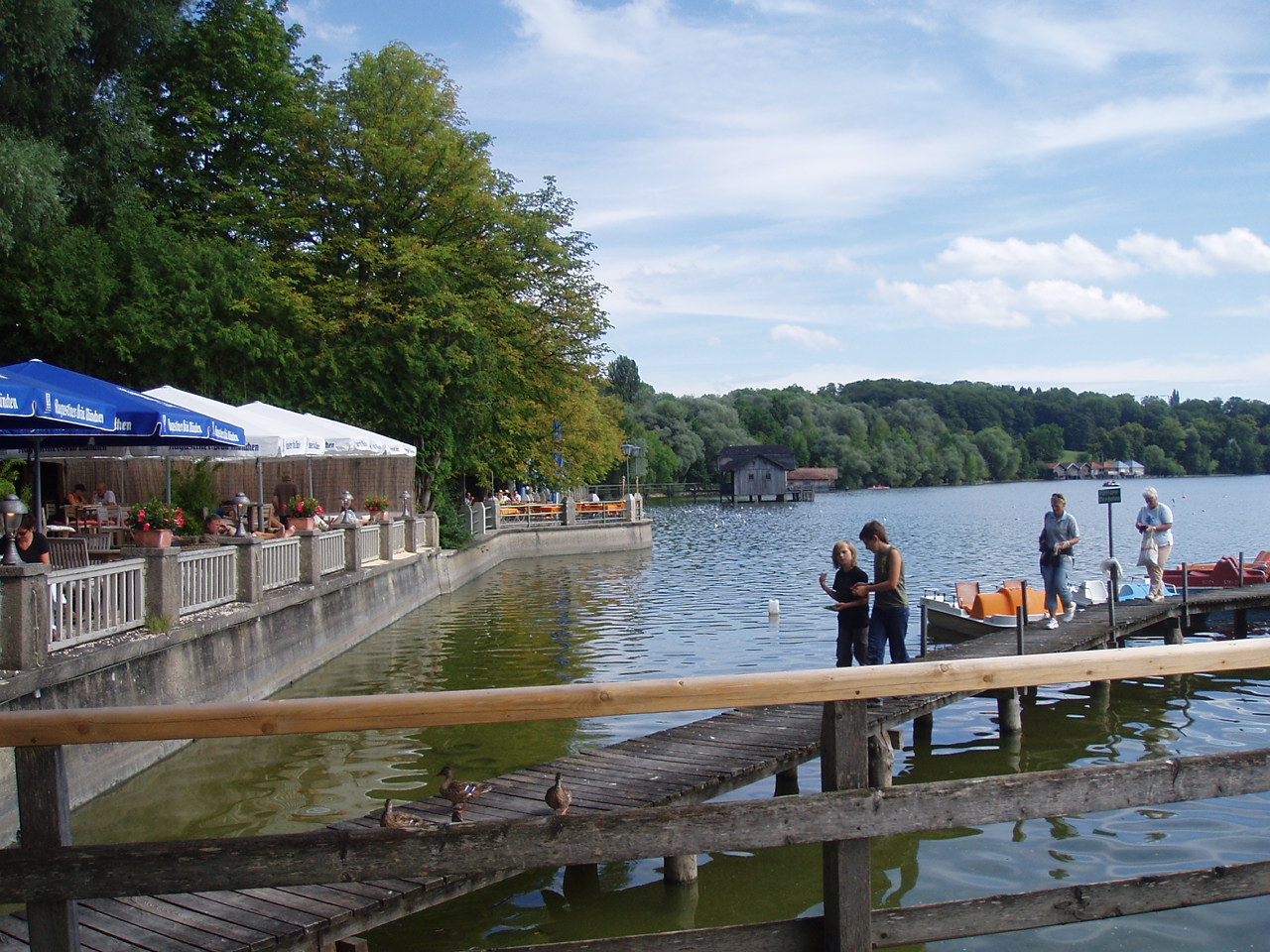
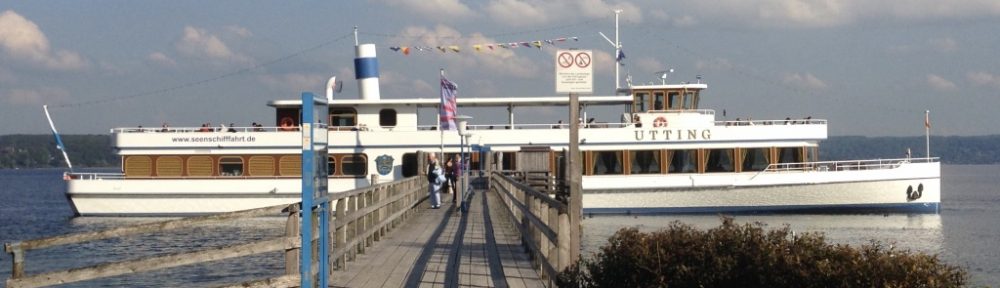
But for us, the nicest thing about Inning was it’s proximity (minutes away) from Lake Ammer. The boat landing area has some nice Biergartens and the like, but doesn’t look as built-up and chic-touristy as, say, Starnberg.

We then hopped back in the car and drove over to the next lake over, the Wörthsee. This lake is smaller, and has much less lakeside development, no ferry service, and the clearest water I have ever seen (see photo above.) This lake and it’s smaller neighbor, the Pilsensee, belong to some local aristocrat who decided not allow recreational diving in his lakes — so that’s out, leider.

>Munich History: Hans and Sophie Scholl, Kurt Eisner

>If you don’t know the brief, sad yet courageous story of the Scholl siblings, Sophie and Hans, then go directly to the Sophie Scholl entry in wikipedia before you continue. In all honesty, it’s not clear to me why she gets most of the attention, and her brother less, but perhaps society doesn’t expect a 21 year old woman to be brave, and give up her life for her friends. This one did.

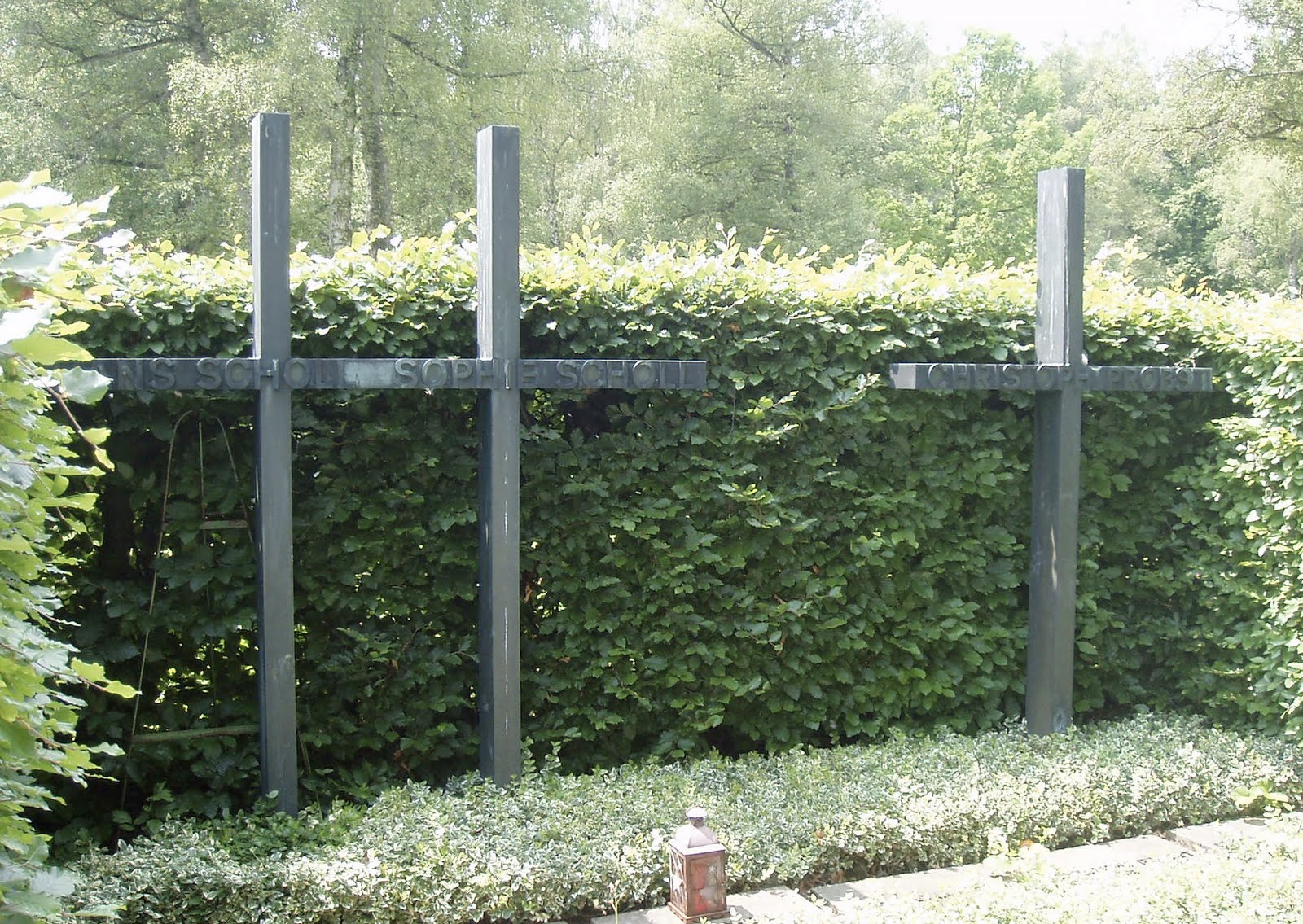
Right beyond those trees in the background, unseen, is the Stadelheim Prison where the Scholls and Christoph Probst were executed by guillotine. As unfeeling as it may sound, they were lucky. The July 20th conspirators, (the non-military individuals, who didn’t get the honor of a bullet to the head), suffered gruesome, drawn-out, painful deaths by hanging with piano wire, after having been given heart boosting meds to keep them going as long as possible. And, of course, being gassed was much worse as well.

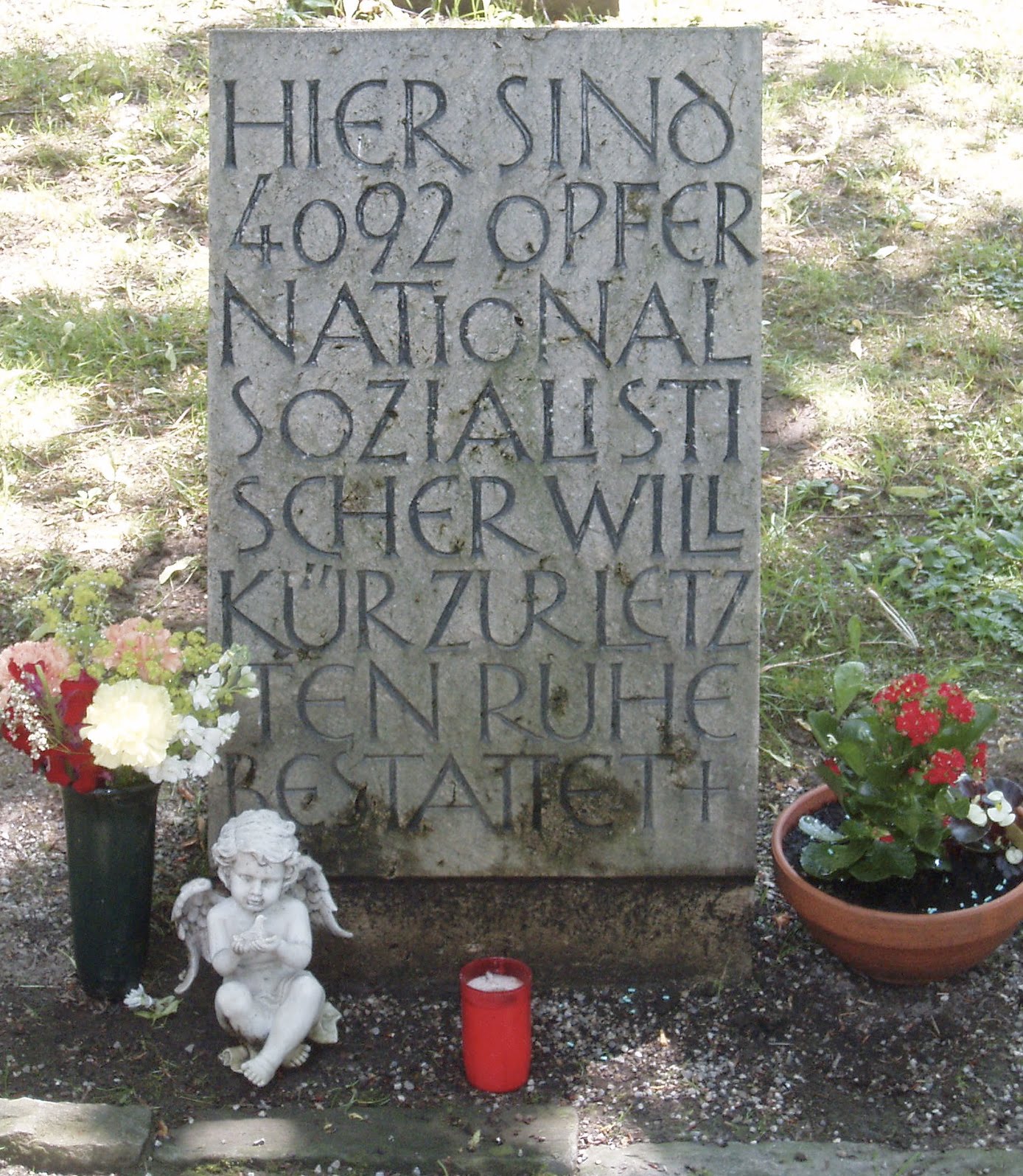
“Here lie in their last resting place 4092 victims of National Socialist caprice.” No names, no reasons for their deaths. I think they, too, may have come here through the back door of the prison.
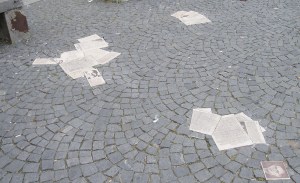
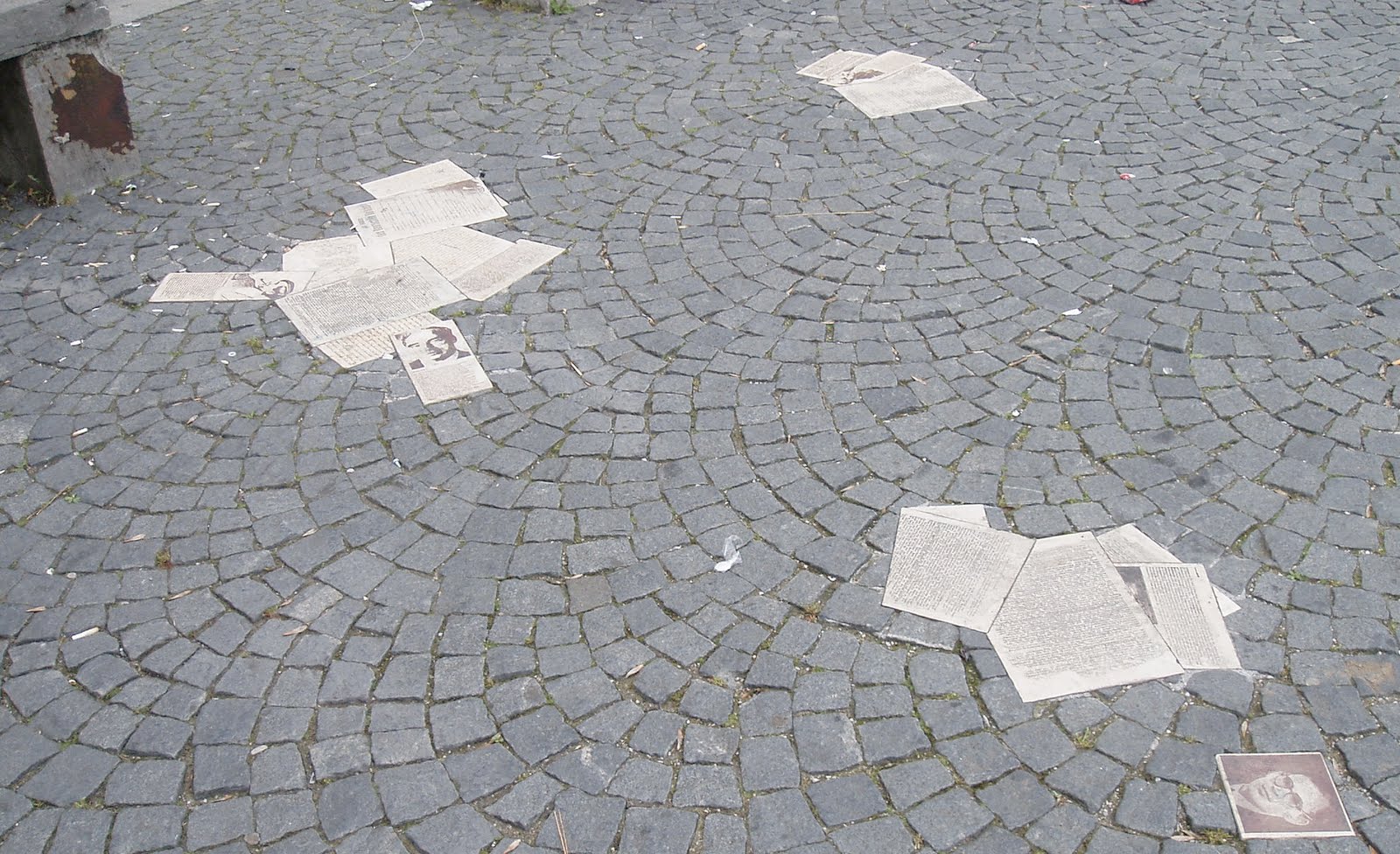
What looks like papers lying on the sidewalk is actually part of a monument to the Scholls and to The White Rose resistance group, one of their methods having been to leave anti-nazi leaflets lying around where there were crowds of students.
The work here combines images and biographical information about the members, as well as examples of their writing. It’s at the front of the Ludwig Maximilian University, Leopoldstrasse, Munich.
Walking back into the city center I literally walked over this before I realized that it too was a memorial embedded into the sidewalk. The figure is meant to remind one of a police body outline. The words above it read, in German, “Kurt Eisner, who on 8 November 1918 proclaimed the Bavarian Republic, later Prime Minister of the State of Bavaria, was murdered on this spot on 21 February 1919.” Eisner has been all but forgotten amid all the turmoil of the 20th century in Germany, but he was instrumental in pulling Bavaria out from under the monarchy by getting Ludwig III to sort of just leave without even officially abdicating. Depending on who you believe, Eisner’s murderer was either acting as a monarchist (being from an aristocratic family) or an anti-semite, himself Jewish but wishing to prove his nationalist loyalties. (He had been shut out of a pre-nazi group because of his mother’s ancestry.)
There is so much history just staring right at you, all over the city.
>Up In The Border Guard Tower

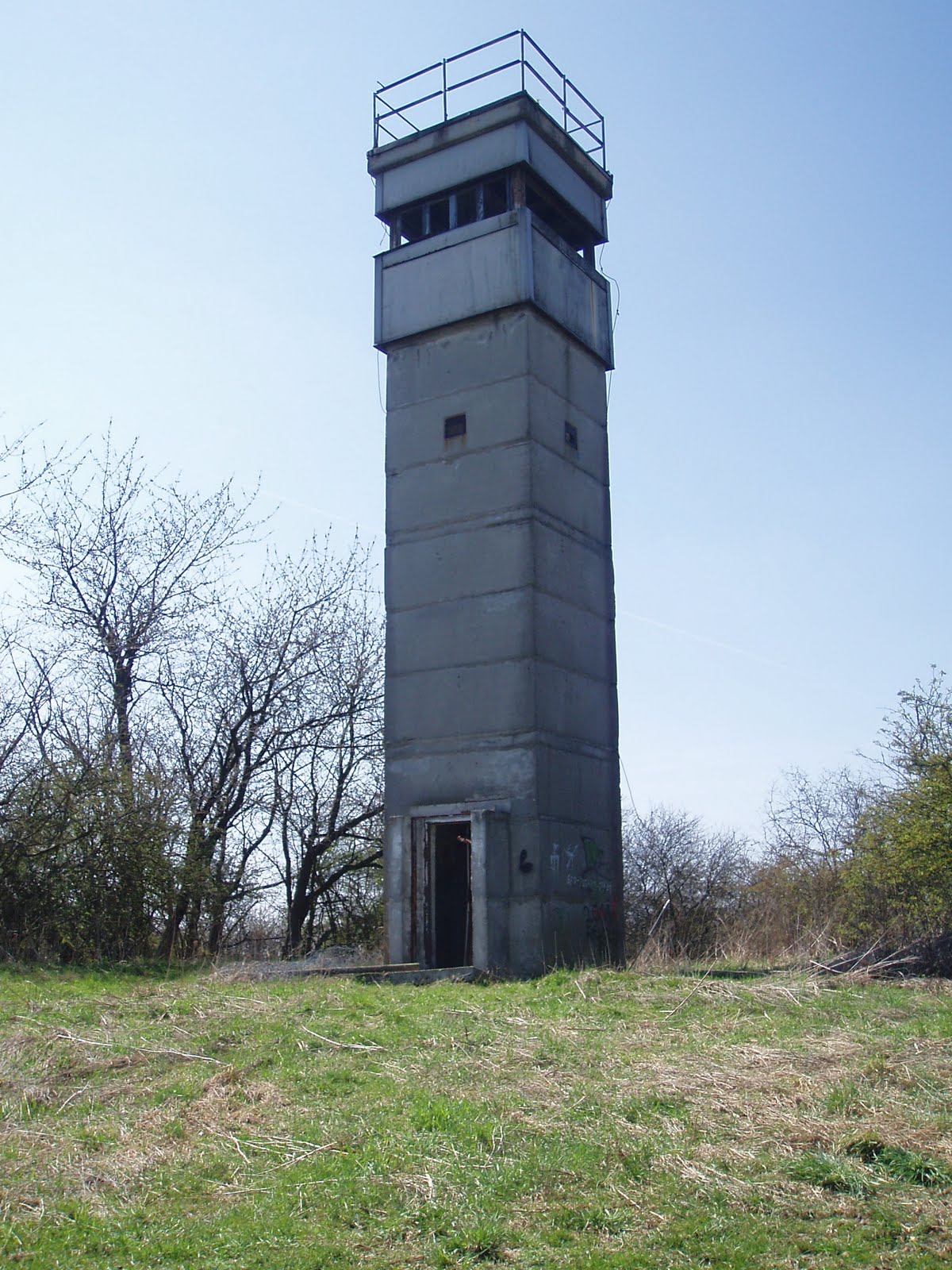
>On the way back from Freiberg, we took a detour off the Autobahn and went hunting for the old East-West border, which is now just a state line again. We knew there were still guard towers standing, we could see them in the distance from the highway. After a few miles of country roads and a a farm path or two, we found them.
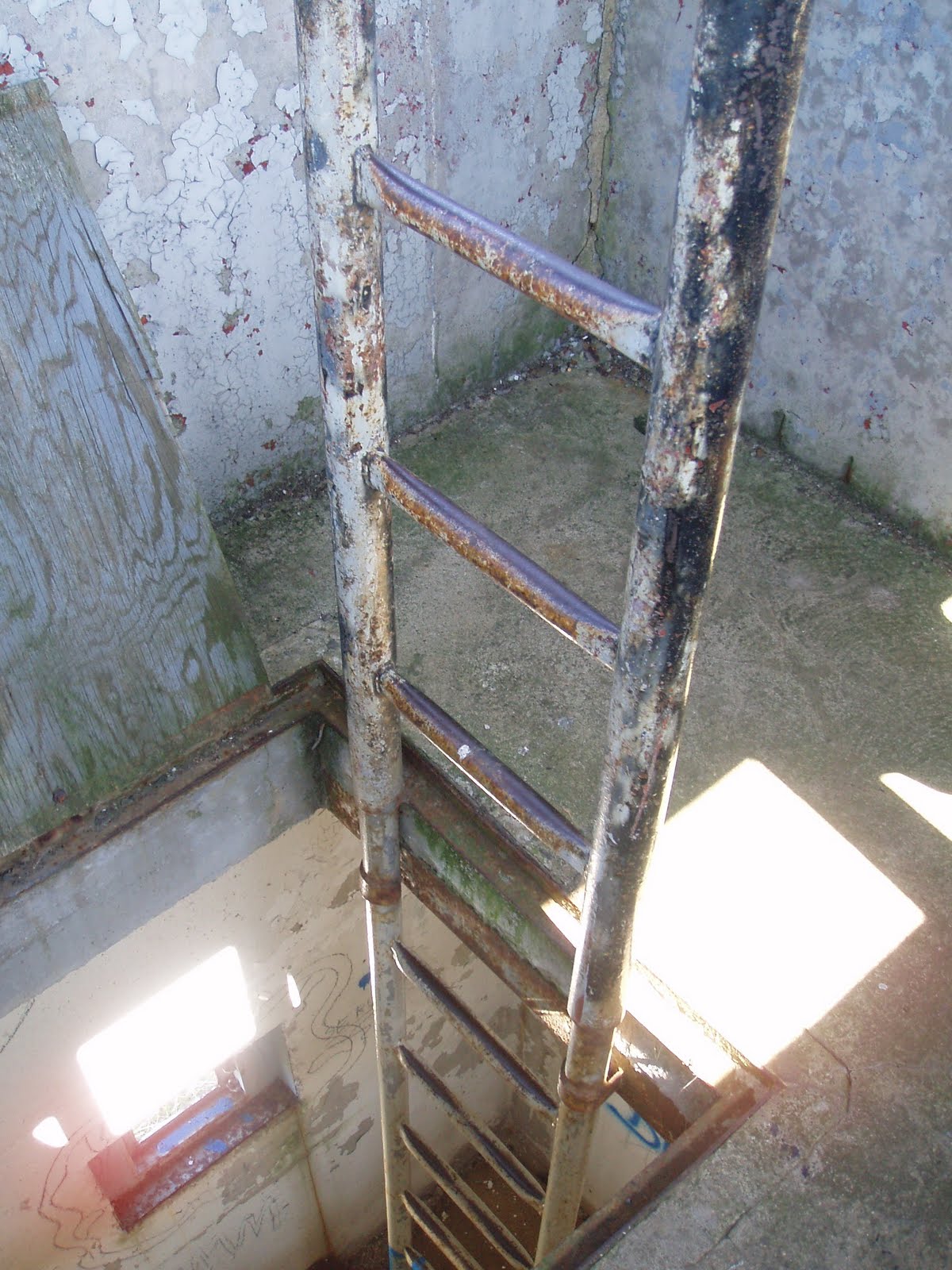
Twenty one years of neglect had taken its toll on the towers, but it was clear that we weren’t the only ones to have come up here. Probably the local kids use it as a secret hangout. We were delighted to find them open and climbed up to the top floor.
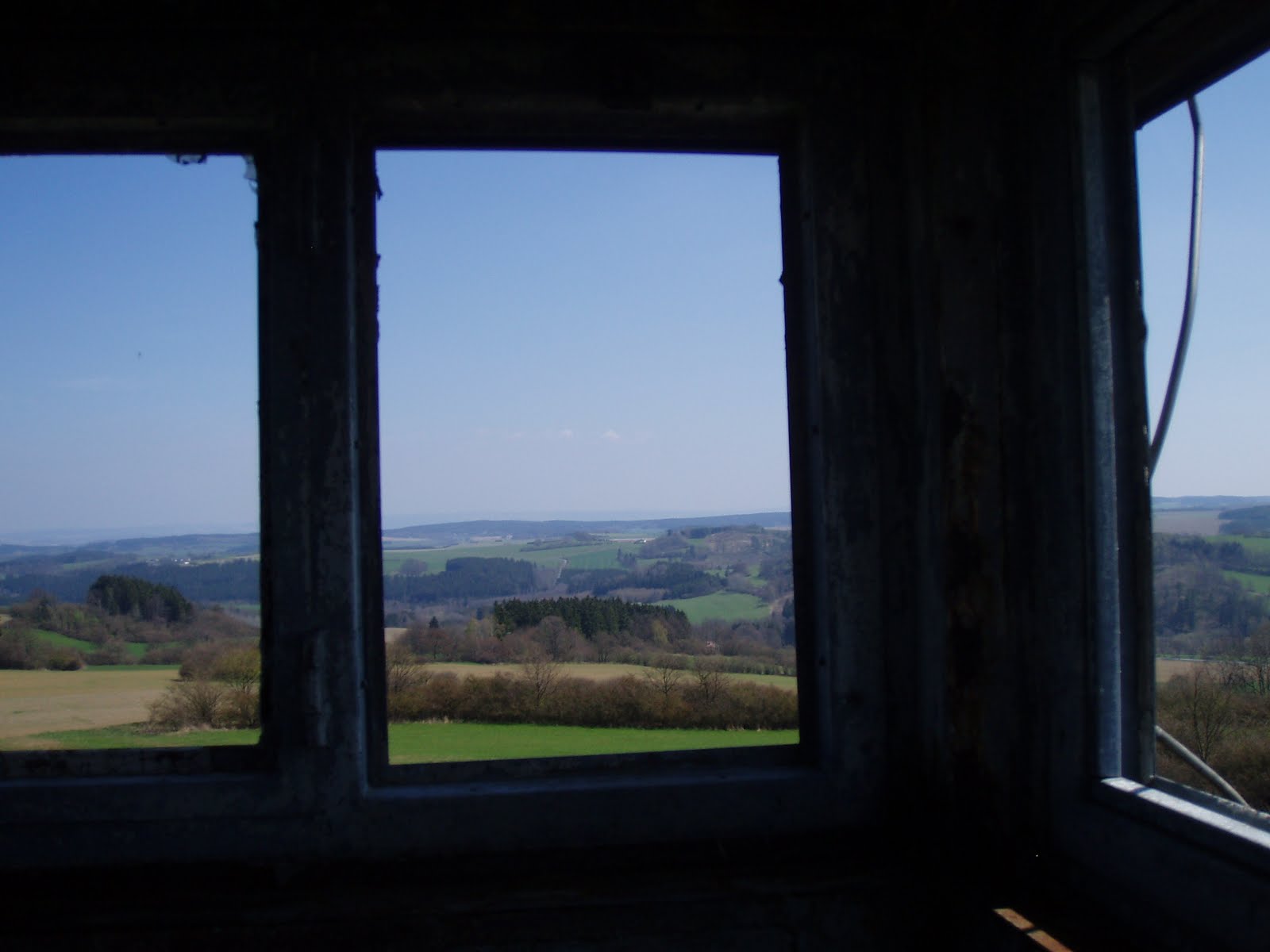
Nice view up here. I keep telling the beau that this area reminds me of Pennsylvania.
In the photo above, you can see the next tower, center right on the horizon. (It has a satellite dish erected on the roof.) So the space between this tower and that one would have been part of the border, complete with barbed wire and death strip. Not a trace of it is left except for the towers, which are probably too much trouble to dismantle.

>”A Massacre… Would Have Been More Humane”

>ARD, Germany’s “first” national television station, aired an extraordinary documentary last night about the Armenian Genocide. It mixed rare photos and film footage with “clips” of “interviews” — using well-known German actors portraying contemporary witnesses, their lines from those witnesses’ actual reports. The figures included American diplomats and journalists abroad as well as Germans, Swiss, and other Europeans working in Turkey at the time. The actors, all delivering respectfully understated performances, give you the impression that you’re watching actually memories coming to the fore.
The details of the atrocities, culled from collections of reports in the German Archives, are overwhelming in their multitude. The western foreign representatives don’t come off very well either, the implication being that looking away in disapproval was no less than complicity (which is an old story, and probably a very human one, as these things — the crimes and the looking on — are still going on today, aren’t they?)
The documentary makes clear that the Nazis picked up a few things about extermination from the Turk’s actions, like putting deportees into cattle cars (and making them pay for their fares), inventing conspiracy plots in order to brand an entire people “traitors”, executing their own soldiers who did not show enough “mercilessness”, and sending their victims off to some unknown fate with vague words of “resettlement” (death marches into the Syrian steppes), making government seizure of “abandoned property” legal. Hitler’s own word’s, “Who speaks today of the Armenian extermination?”, makes it clear how easy they thought they’d have it, treating their own “undesirables” in the same way (and, later, much worse, when they realized that they could.)
The documentary also discusses how the German government assisted in the flight of the leaders responsible for the genocide, with Grand Vizier Mehmed Talat (Talat Pasha) ending up living comfortably in Berlin until his assassination in 1921. Buried in Berlin, his body was exhumed in 1943 and transferred, with full pomp and ceremony, to Istanbul.
Interestingly, the Turkish courts-martial of 1919-1920 brought death sentences (in absentia) for those responsible, specifically mentioning the Armenian deportations. The new question is why, today, so many Turks experience rage and indignation at the mere mention of the word “genocide”. It’s not universal, of course. After the murder of Turkish-Armenian journalist Hrant Dink by a Turkish nationalist, over a hundred thousand people marched on Istanbul, carrying signs that read “We Are All Armenian”. Dink’s murderer was following the nationalist line, that even speaking of what happened then is an insult to Turkishness. It would be interesting to know how they got that far away from being able to look at things objectively.

>Weekend Mountain Blogging: Schloss Thaur

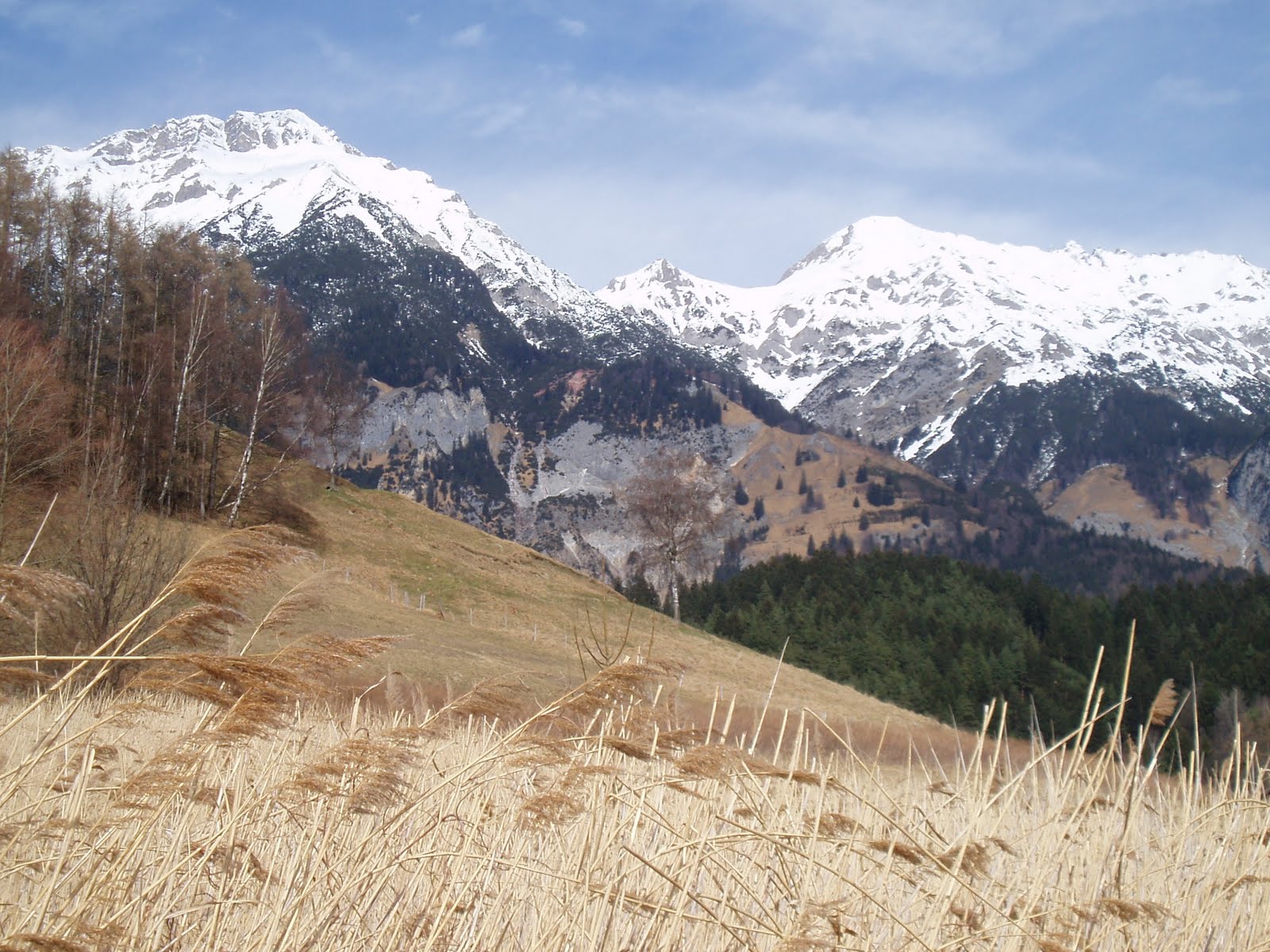
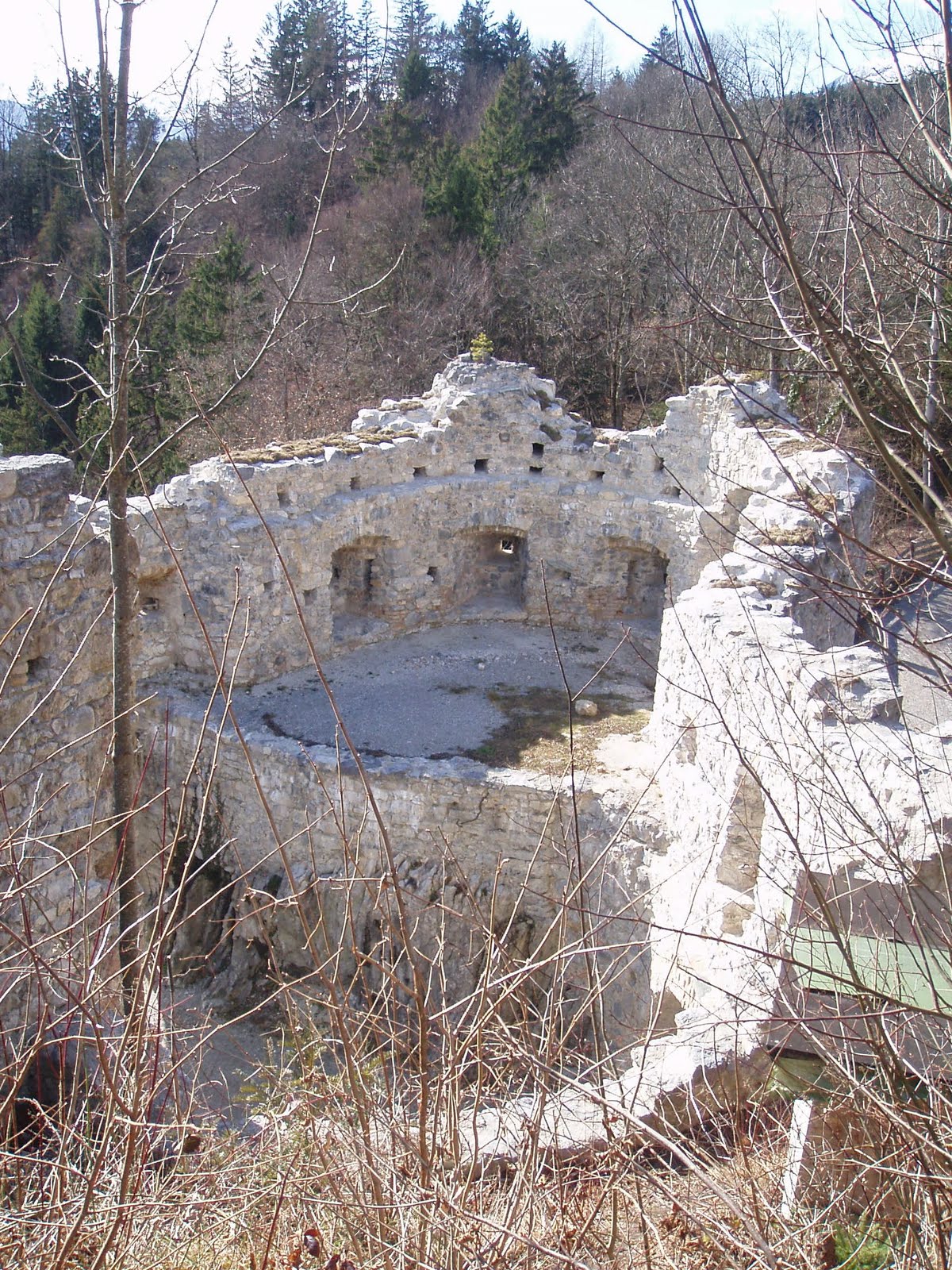
>There are so many “hidden” gems, right around Innsbruck, that most of the time you don’t even need public transportation to get to them. Yesterday I left my apartment and simply walked to the castle ruin above Thaur, a village in the hills beyond Innsbruck. It took about 2 hours. (I could have hopped on the bus to Thaur but it was a gorgeous day, perfect for a hike.)

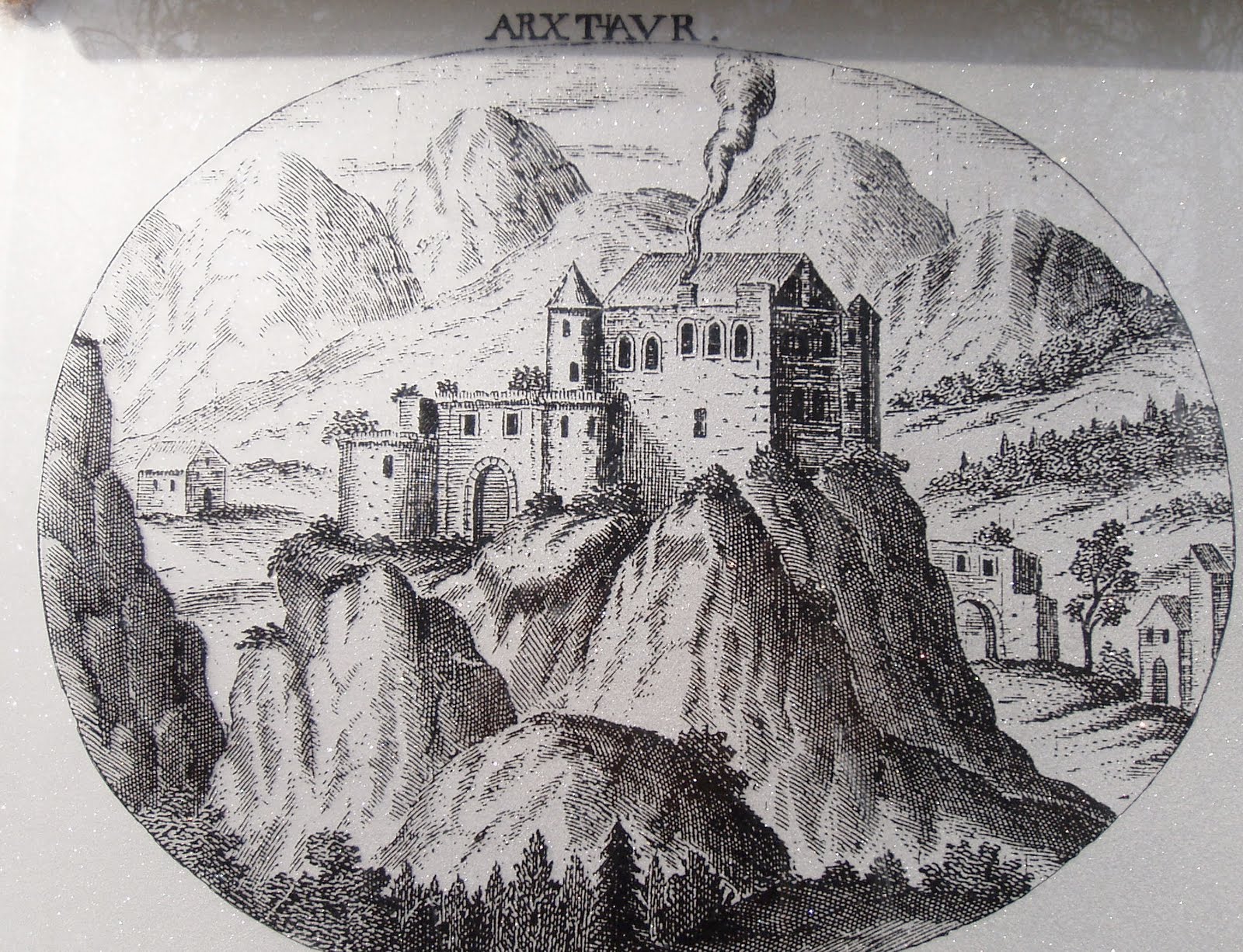
The sketch above is from 1699, and according to the plaque on which I found it, is a “stylized version” of the Thaur Castle in its prime, which would have been around 1500. Some sections date back to 1200.


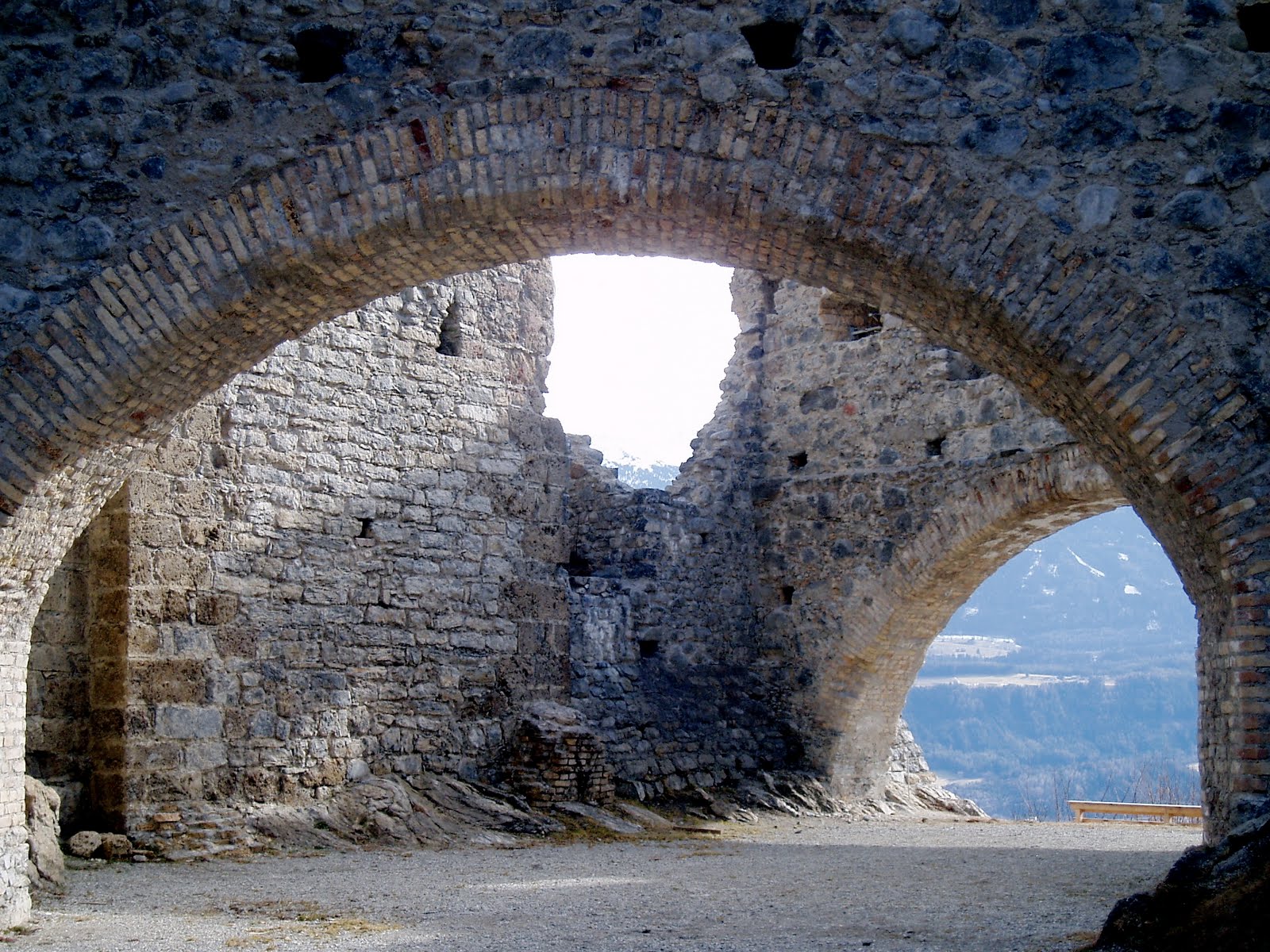
Small theater productions are put on inside the ruins — if you put the audience in the open space in the center (ground level), there are lots of doorways, arches and upper levels for the actors to use. And of course a breathtaking view on which to gaze during the intermission.

On the way back, I took the Adoph-Pichler-Weg (I said PICHLER, Adolf Pichler — he was a native son, alpine geologist, teacher and author, and took part in the 1848 Revolutions.) This forest road doubles as a nature trail and leads all the way back to Innsbruck along the high ridge to the north, a nice trail with a gentle profile. I walked the entire way, but one could take this trail to the Hungerburg and then take either the Hungerburgbahn or the J Bus back into town.

>Forgotten Innsbruck: Amraser See

>

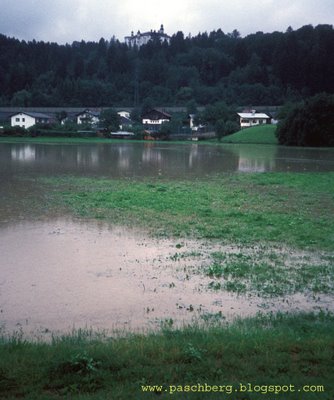
(Thanks to the writer of the Paschberg Blog for the photo above, which I have brazenly purloined. If you read German, his blog is an excellent source of local history and current affairs. I hope my advert for it makes up for my theft!)

I was walking through the southeast side of town the other week and noticed an unusual street sign — “Amraser See Strasse”. Amras Lake? Where the hell is that? Amras is a neighborhood on the edge of town, once a quiet outpost, now the business district. If you walk around beyond the shopping centers and superstores, you find corners of the old village tucked away in hidden places. But a lake? This was a new one for me.
A little internet research brought me closer — the Amraser See was a shallow lake fed by groundwater, the Aldranser Bach and a canal from the nearby Sill River (which joins the Inn a bit further on.) It was maintained for the royal fisheries when Innsbruck was a royal seat of power.

(Photo from Amraser Bote, June 2008 Issue)

An inn was first built near the lake in 1648, and stayed in business until about 20 years ago. The whole area was redeveloped in the early 90s, and apartment buildings stand there now, near the entrance to the autobahn. The “island” on the middle of the lake now holds a shopping center (DEZ.) Until all this construction, the lake had been slowly drying up over the years, but reemerged after exceptionally heavy rains. I believe the top photo was taken in 1985, when several parts of town had flooded.

>Bergisel

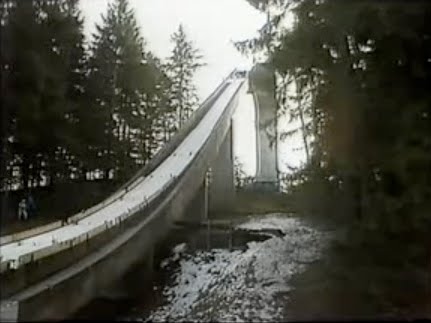
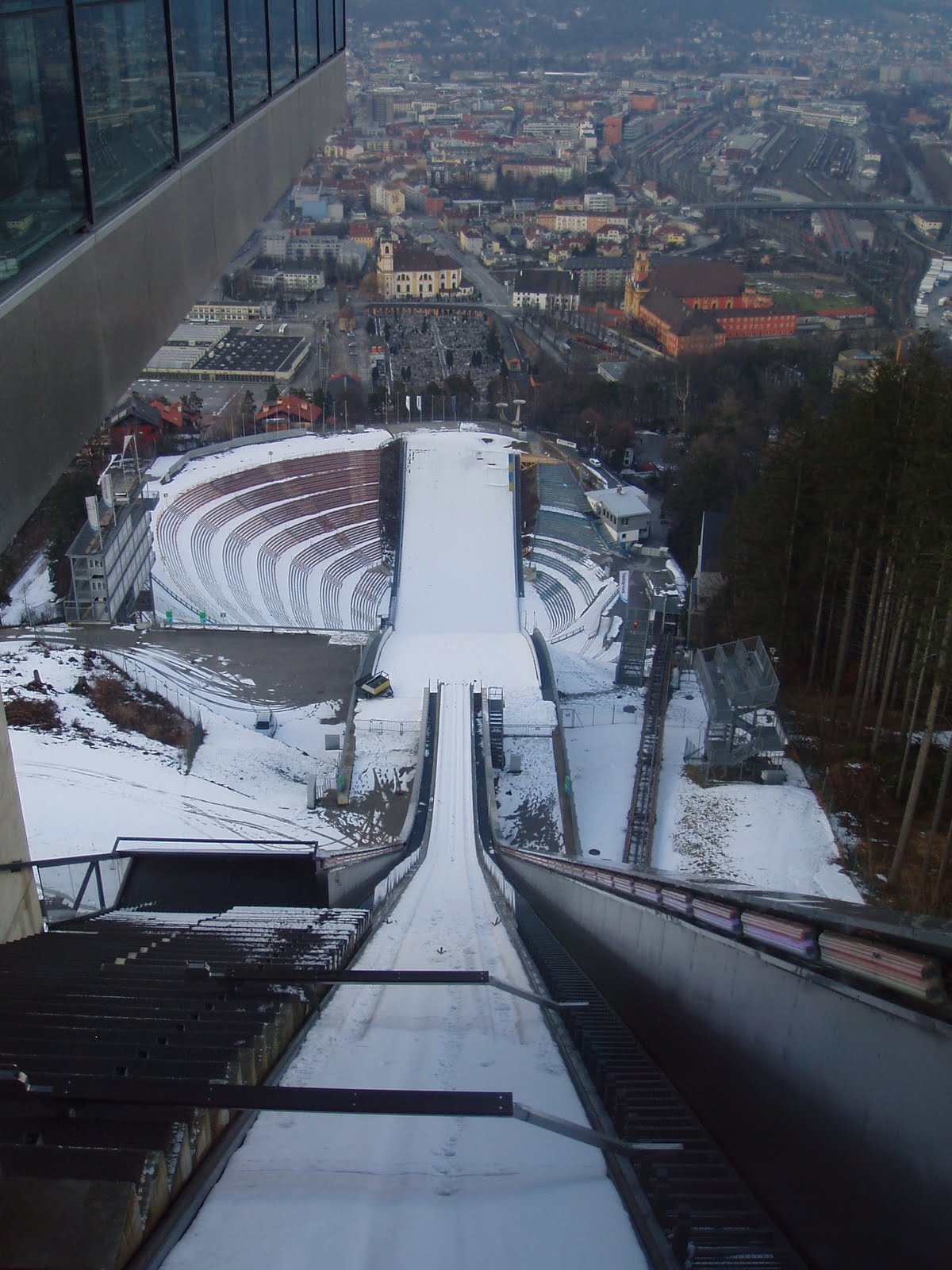
>This is the old ski jump on Bergisel, functional and boring, which was built for the 1964 Winter Olympics. Oddly, I was unable to find a photo of it online anywhere — this is a screen grab of video, posted on Youtube. I remember when it was demolished one Sunday at exactly noon. From my terrace a few kilometers away, I watched the tower silently implode, and the boom arrived a second or two later.
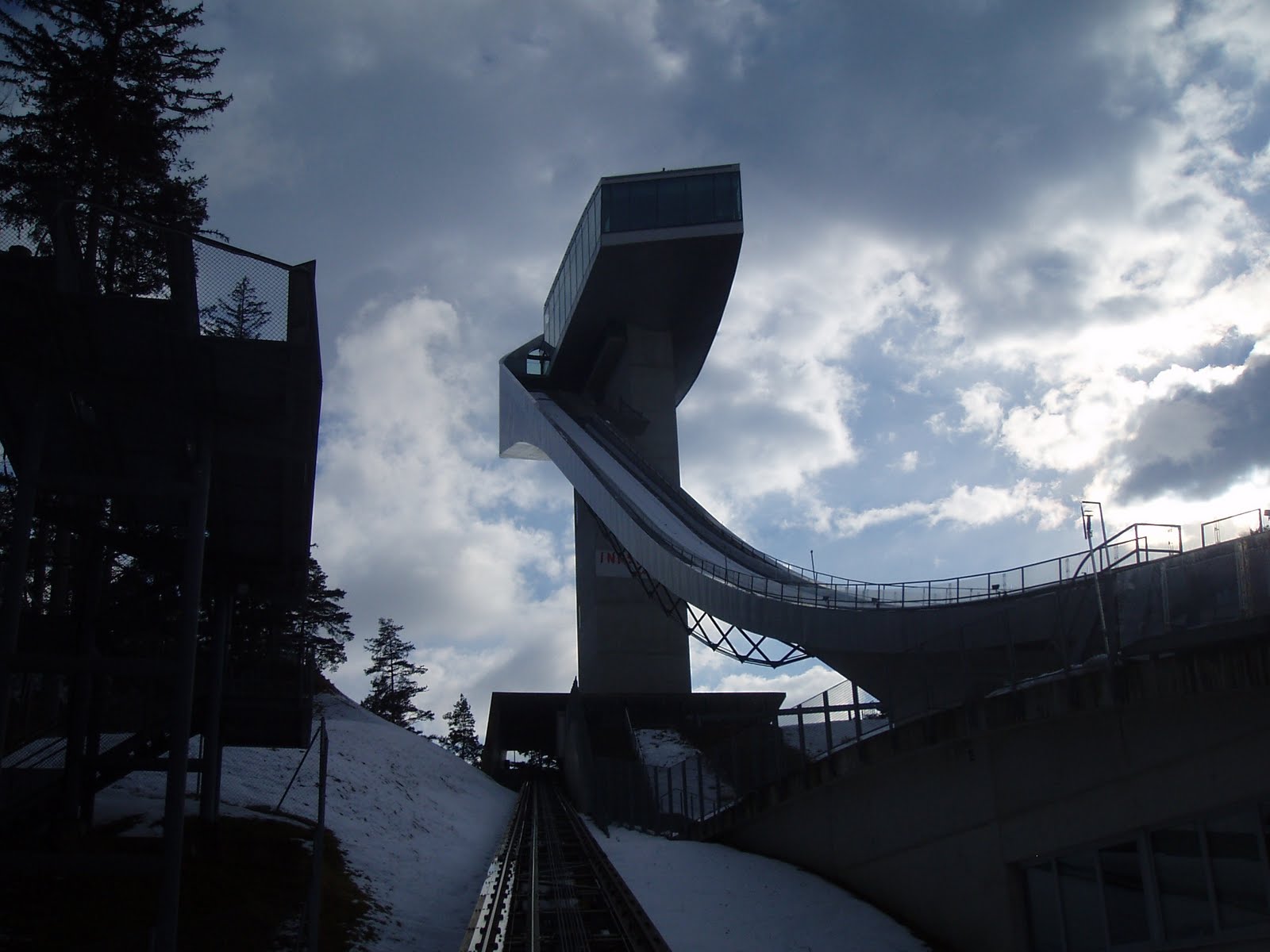
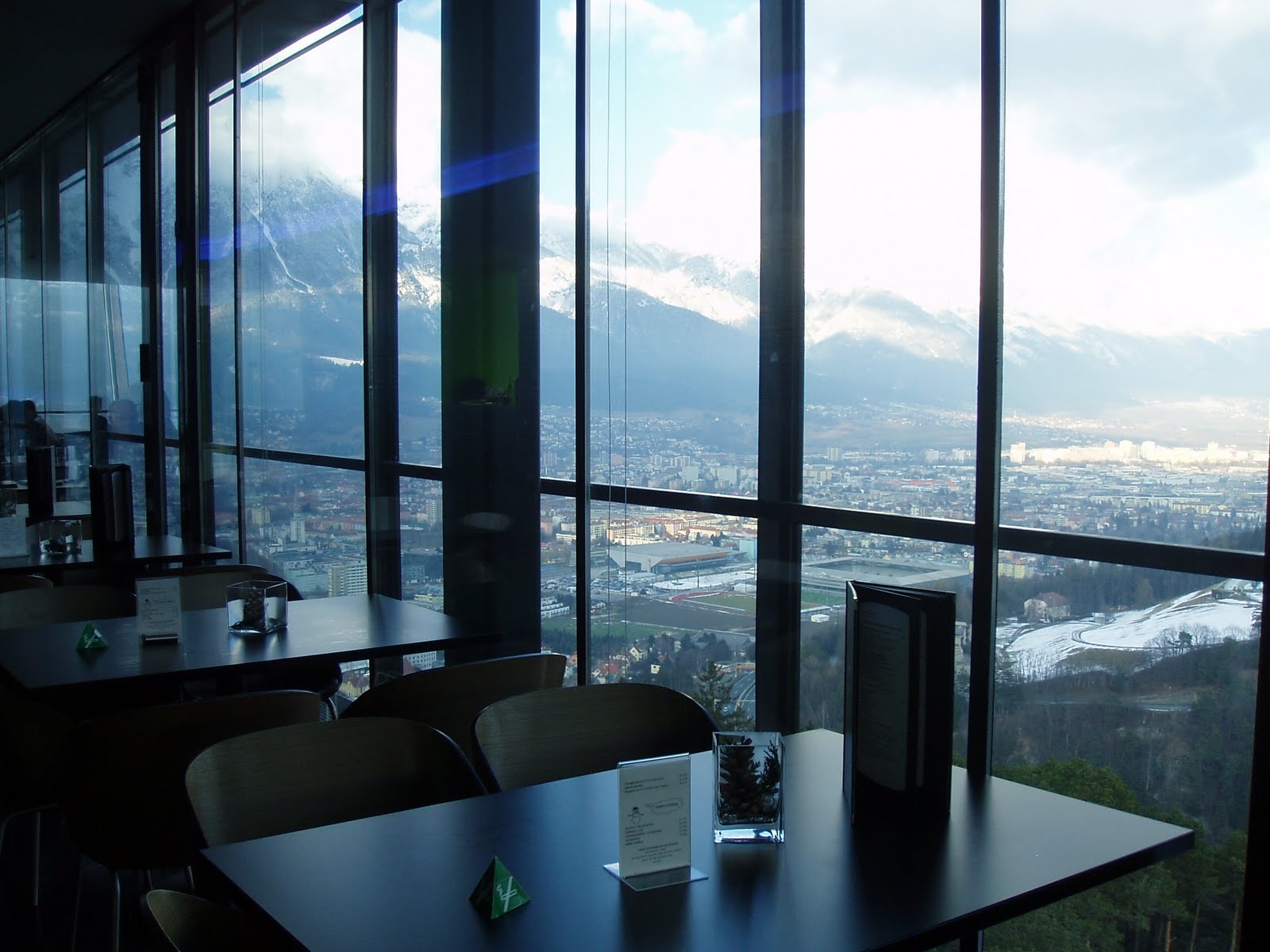
The other day we revisited the new one. Its design and the cafe at the top make it a popular sight for tourists, but I have also been up there with locals, for an afternoon birthday gathering for example. The views on all sides are spectacular and so it’s worth doing at least once.

Hey, I can see my house from here. (Really.)
The old guidebooks will tell you that when you stand above the ski jump and look down, you see the cemetery directly beyond the landing strip. It’s true, that’s the Wiltener Friedhof down there. One can’t make it out in this photo but they had just turned the lights on — that row of colored tubes along the right side of the inrun. The effect is of slowing changing color through the evening.

>Erik Schinegger

>

UPDATE 16 June 2011: for info about the new film.

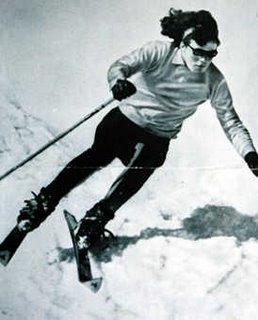
When I posted about Gretel Bergmann and Dora Ratjen, I came across another name from closer to home — Erika Schinegger, who was a shining star in the women’s downhill ski races in the mid 60s. Last night ORF aired a 2005 documentary film about Schninegger — Erik(A) — and the events of 1967, when the Austrian Olympic hopefuls submitted to medical testing by the IOC and it came out that Schinegger was, chromosomally speaking, male.
While Ratjen withdrew from society and never spoke to any reporters about his experiences, Schinegger is congenial and loquacious, as well as a very attractive man. Looking at old photos now, one clearly sees (in restrospect, of course) a young man’s face and body. But many of those interviewed said that they were surprised by the test results. They had assumed that Erika Schinegger was simply a healthy, somewhat homely country girl, with muscles from all that farm work.
Schninegger underwent corrective surgery and changed his name from Erika to Erik, and actually competed successfully on the men’s downhill team for a short time — until the Austrian Ski Federation made him resign, due, they told him, to “unrest in the media” and among his teammates. Schinegger returned to live in the village in Carinthia where he grew up, opened a ski school for children, and eventually married (and fathered a daughter.) If he had any bitterness in him, it was not apparent in the film.

The filmmaker interviewed a dozen or so people; family members, childhood friends, teammates, as well as extensive interviews with Schinegger himself, and pulls a neat trick by juxtaposing archival footage with that of modern teenagers at athletic training exercises. The effect is that you as the viewer begin to look at the girls with a clinical eye, noting the things that make them “feminine” — or not. You begin to both notice and question the “obvious” differences between the genders.
Update: I keep coming back to Caster Semenya and what the media circus last year has done to her life. Schinegger had two big things going for him – one was the time and place, and home being a place where he could go about having a normal life, once the locals adjusted (which they did), the other was that by his own accounts, while he grew up identifying as a girl from not knowing anything else, he tended toward boyish things — he tells of annual Christmas meltdowns as a child, when getting another doll instead of the long-desired tractor (the dolls all got their heads broken eventually!) and evidently was able to settle into being a guy relatively easily. The way he described it, it seemed like a natural progression for him. The contortions that Caster’s family/publicity agent/whoever is putting her through to enforce the idea that she’s a “real woman” can’t be good for her.

>Hofgarten im Winter

>
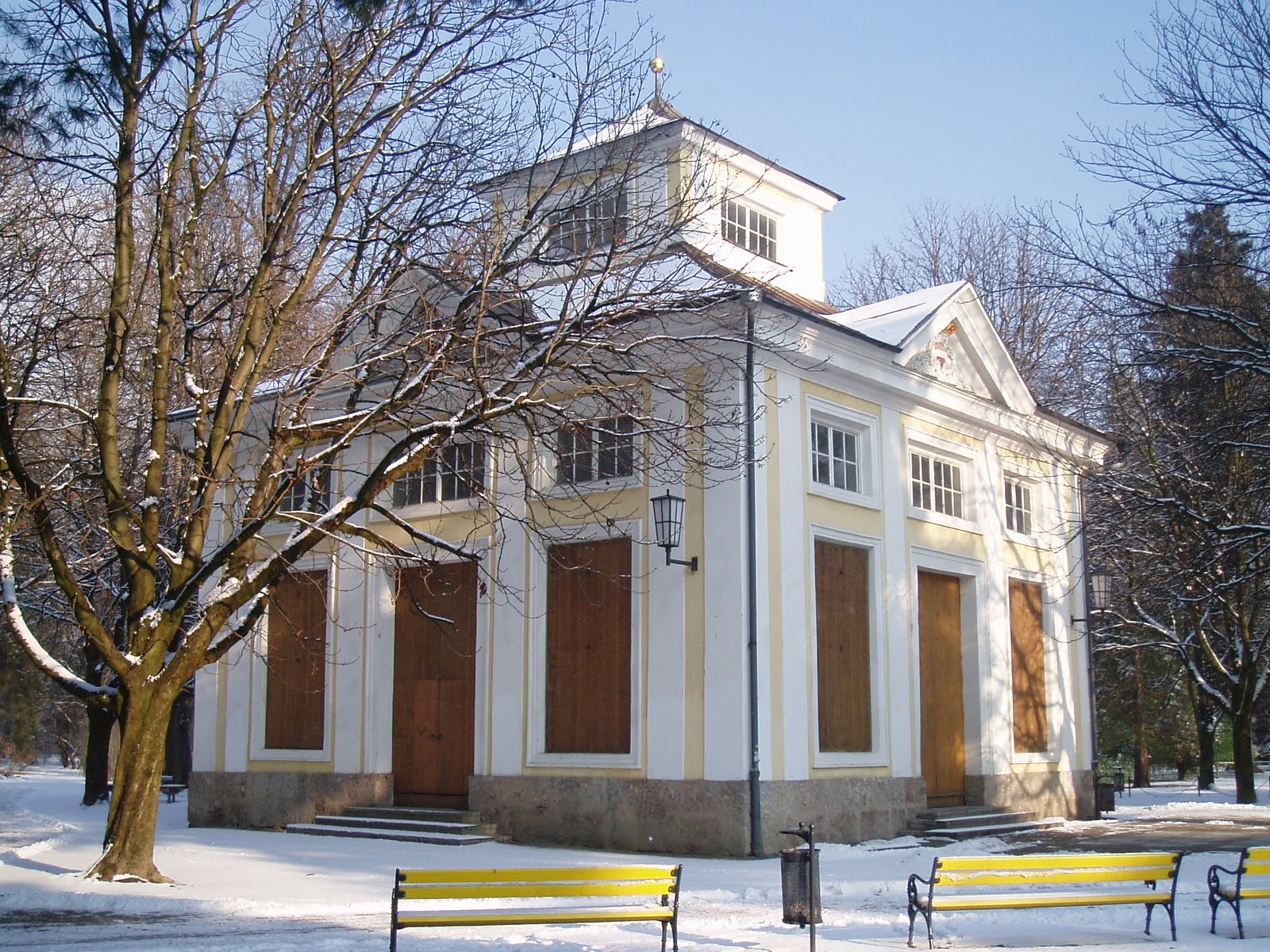
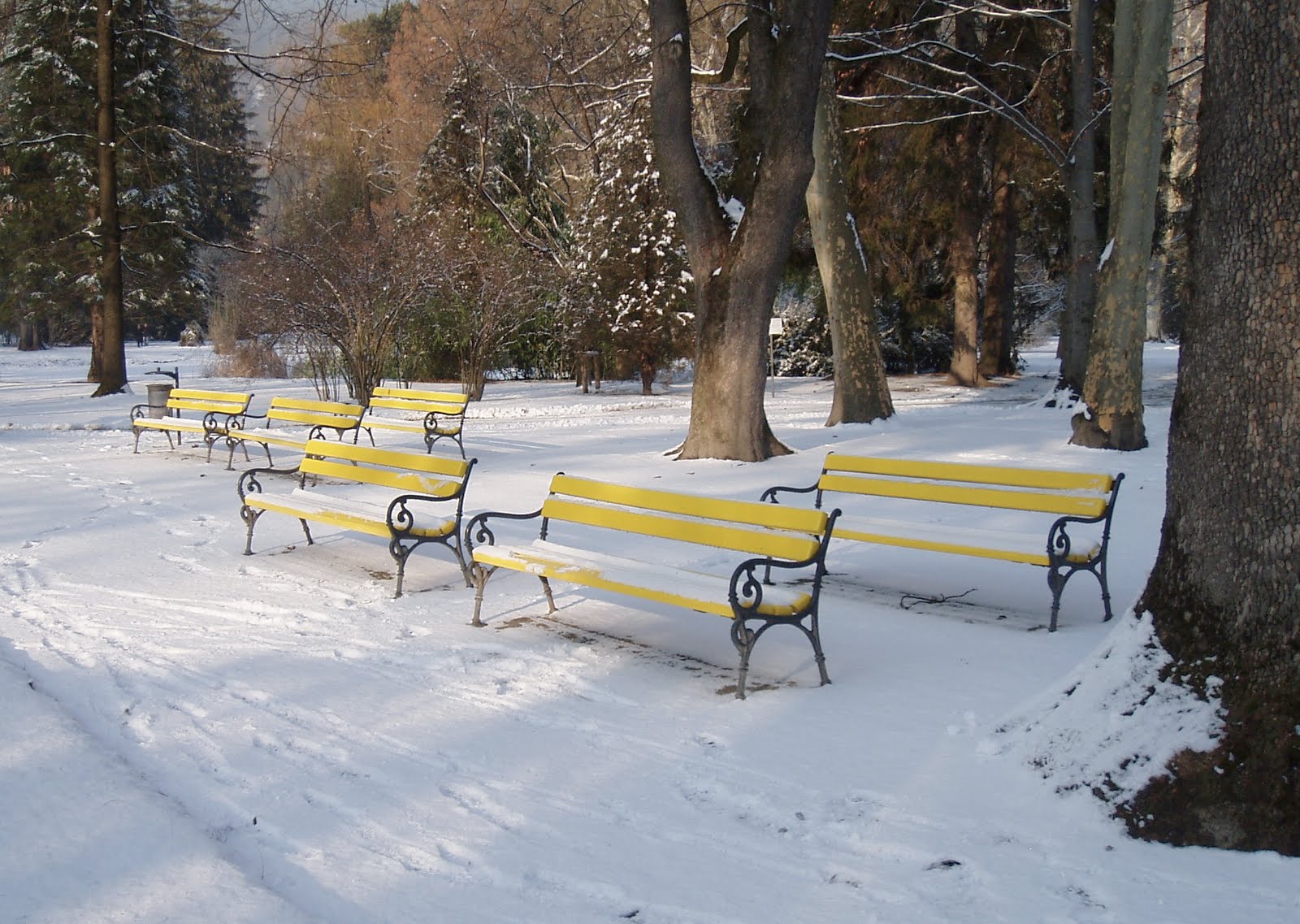
The Innsbrucker Hofgarten is celebrating 600 years in existence. Established in 1410 by Duke Friedrich IV (“with the empty pockets”), it is an example of the English-style gardens that were copied by monarchs all over the continent (the English Gardens and the park lands behind Schloss Nymphenburg in Munich are further nearby examples.) Its 10 hectares (ca. 25 acres) are right in the center of town, like a miniature Central Park, with a nice café/beer garden, a music pavillion, (a pretty Baroque structure built in 1733 — see photo above) botanical gardens and greenhouses for cactii and palms. It is said that there are specimens within the park walls which were planted by Empress Maria Theresia herself. I don’t know which ones, but I suspect an enormous, rambling old tree with branches that touch the ground and have rooted there.
I have walked these paths many, many times. It’s a lovely, quiet place to breathe in a bit of fresh air and enjoy the leafy views.